



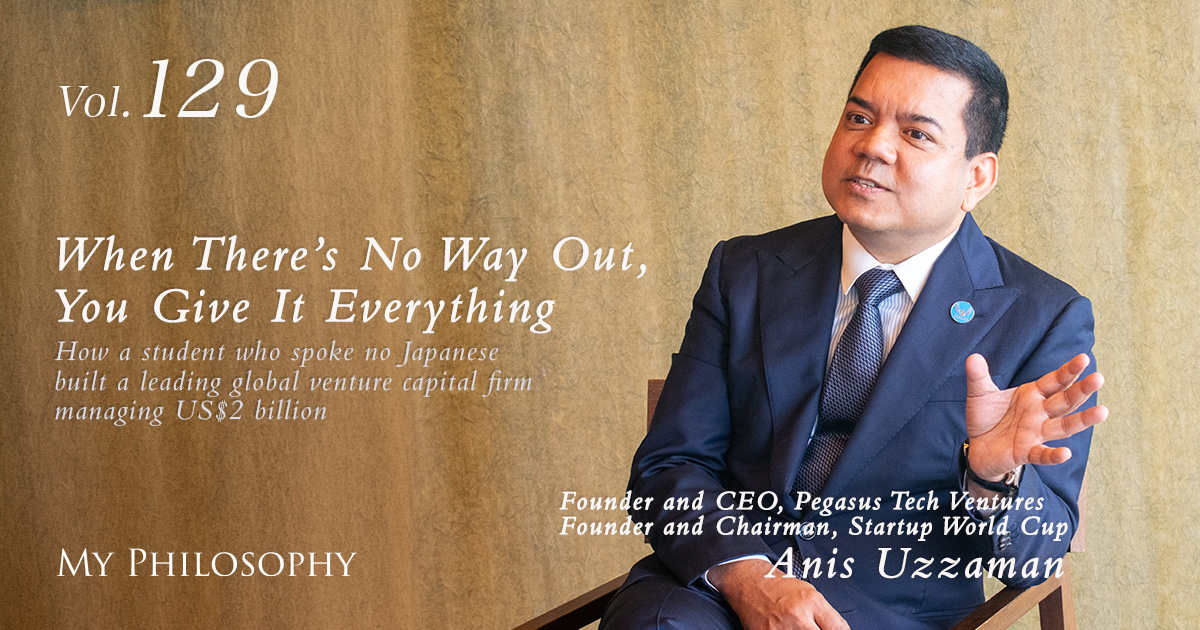
SpaceX, OpenAI, Anthropic—some of the companies at the forefront of global technology count Silicon Valley–based Pegasus Tech Ventures among their investors. The global venture capital firm manages more than US$2 billion in assets and has invested in over 300 companies.
At its helm is founder and CEO Anis Uzzaman, who oversees operations across at least 14 countries and serves as a bridge between the innovation ecosystems of Japan and the United States.
Yet his story began decades earlier in Japan, where he arrived without a word of Japanese or a single connection. How did he overcome adversity and prejudice to earn lasting trust? We spoke with Uzzaman about what drives him—and the philosophy that guides his work.
Profile
Vol.129 Anis Uzzaman, Ph.D.
Founder and CEO, Pegasus Tech Ventures
Founder and Chairman, Startup World Cup
Uzzaman came to Japan on a Japanese government scholarship immediately after graduating from high school. He graduated from the Tokyo Institute of Technology before earning a master’s degree from Oklahoma State University in the United States and a Ph.D. from Tokyo Metropolitan University. Following a career that included working at IBM in the United States, he went on to establish his own business there.
As founder and CEO of Silicon Valley–based Pegasus Tech Ventures, he oversees operations across at least 14 countries. His investment activities center on strategic partnerships with major corporations and span advanced technology sectors, including artificial intelligence—both generative and physical AI—robotics, space technology, quantum computing, healthtech, fintech, and materials science and chemistry. The firm currently manages more than US$2 billion in assets across at least 45 funds and has established partnerships with over 35 leading corporations worldwide. By connecting startups with major corporations, it has helped bring numerous innovations to life.
His investment track record encompasses more than 300 startups across the United States, Europe, Japan, and other parts of Asia. These include globally recognized technology companies such as SpaceX, OpenAI, Anthropic, Airbnb, DoorDash, Robinhood, and Coinbase, alongside innovative Japanese ventures including Money Forward, Mujin, SkyDrive, AirTrip, Kokopelli, FiNC, Geniee, and Terra Motors.
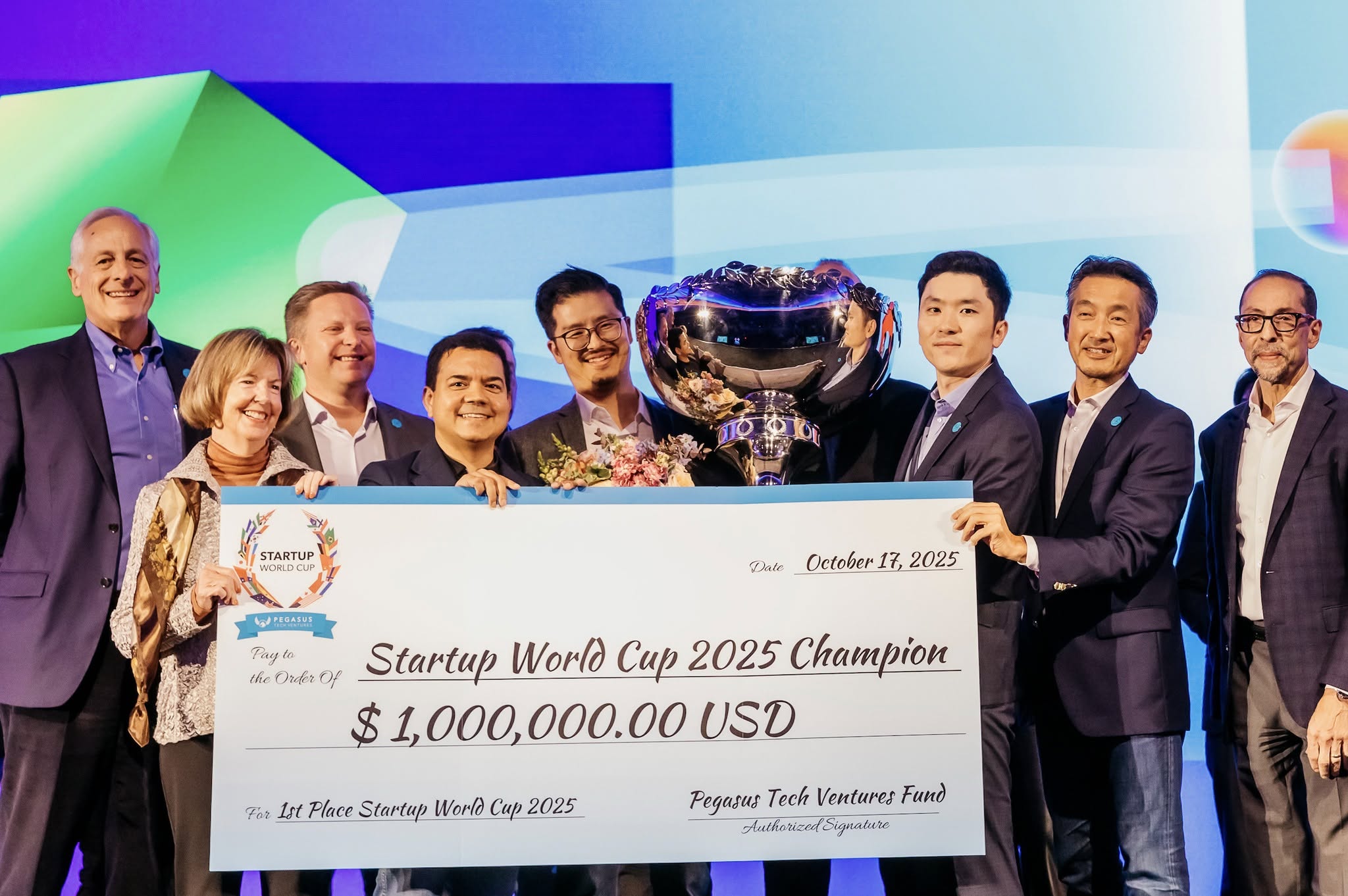
He is also the founder and chairman of Startup World Cup, one of the world’s largest startup pitch competitions, featuring more than 200 regional qualifying events and a grand prize of US$1 million. Alongside his investment work, he has served as a specially appointed professor at Kyoto University’s Graduate School of Management and as an outside director of companies including Techno Horizon and Asteria. He has passed Level 1 of the Japanese-Language Proficiency Test.
His Japanese-language books include "Silicon Valley Wants Japanese Companies" (Diamond), coauthored with Seiichiro Yonekura, professor emeritus at Hitotsubashi University, "The Startup Bible" (Kodansha), and "What Do Global Investors Look for in Japanese Companies?" (KADOKAWA).
Starting Out Without a Word of Japanese
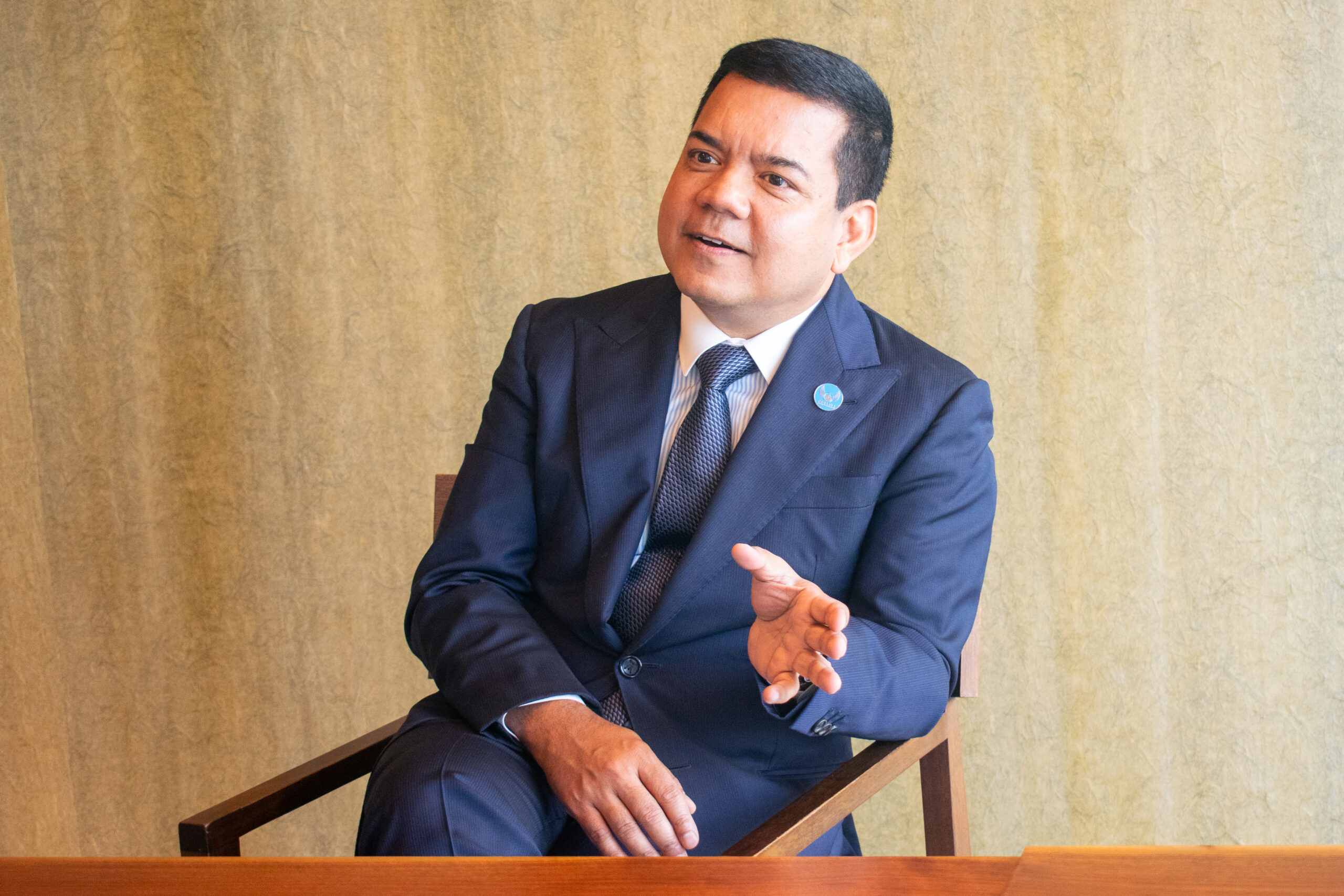
I came to Japan on a Japanese government scholarship. At the time, Japan was the world’s leading technological powerhouse, accomplishing things even the United States could not. Back home, our television was a SONY and our refrigerator a HITACHI.
Part of me thought, “If I go to Japan, perhaps I could work for Sony.” When I learned that I had been awarded the scholarship, I was thrilled by the prospect of studying engineering there.
There was just one major obstacle: I would have to learn Japanese from scratch.
I did not speak a word of it.
That was when the real test began.
I enrolled at the international student center at Osaka University of Foreign Studies, where I studied from eight in the morning until around seven in the evening—more than ten hours a day, every day. It really was “ten-plus hours of punishment.”
And we were not simply learning basic Japanese and everyday conversation. I was handed Japanese high school textbooks in physics, mathematics, and chemistry and told, “Finish all of these in a year.” Mathematics was manageable because I could work with the formulas. But in the other subjects, the Japanese was so difficult that I could not understand what I was reading.
I began to despair.
“Can I really get into a Japanese university in just one year?”
It was almost a miracle that I cleared that hurdle.
What got me through was a hard deadline: if I did not pass a university entrance examination within a year, I would be sent back to my home country. On top of that, poor grades meant losing the chance to attend my preferred university and being assigned to a regional university instead. The pressure was immense.
There was no way out. I had to give it everything.
Because I wanted to study engineering, my teacher recommended the Tokyo Institute of Technology (Tokyo Tech). “It is one of Japan’s best universities for engineering, with a strong specialist focus,” I was told. To be honest, the only universities I really knew were the University of Tokyo, Kyoto University, and Osaka University. I had never even heard of Tokyo Tech. But I trusted my teacher, took the entrance examination, and managed to get in.
I learned Japanese largely by listening, and a year later, I was fluent. Reading and writing were more difficult for me, but I improved considerably during my years at Tokyo Tech and passed Level 1 of the Japanese-Language Proficiency Test.
How Making Chips Gave Me an Edge as an Investor
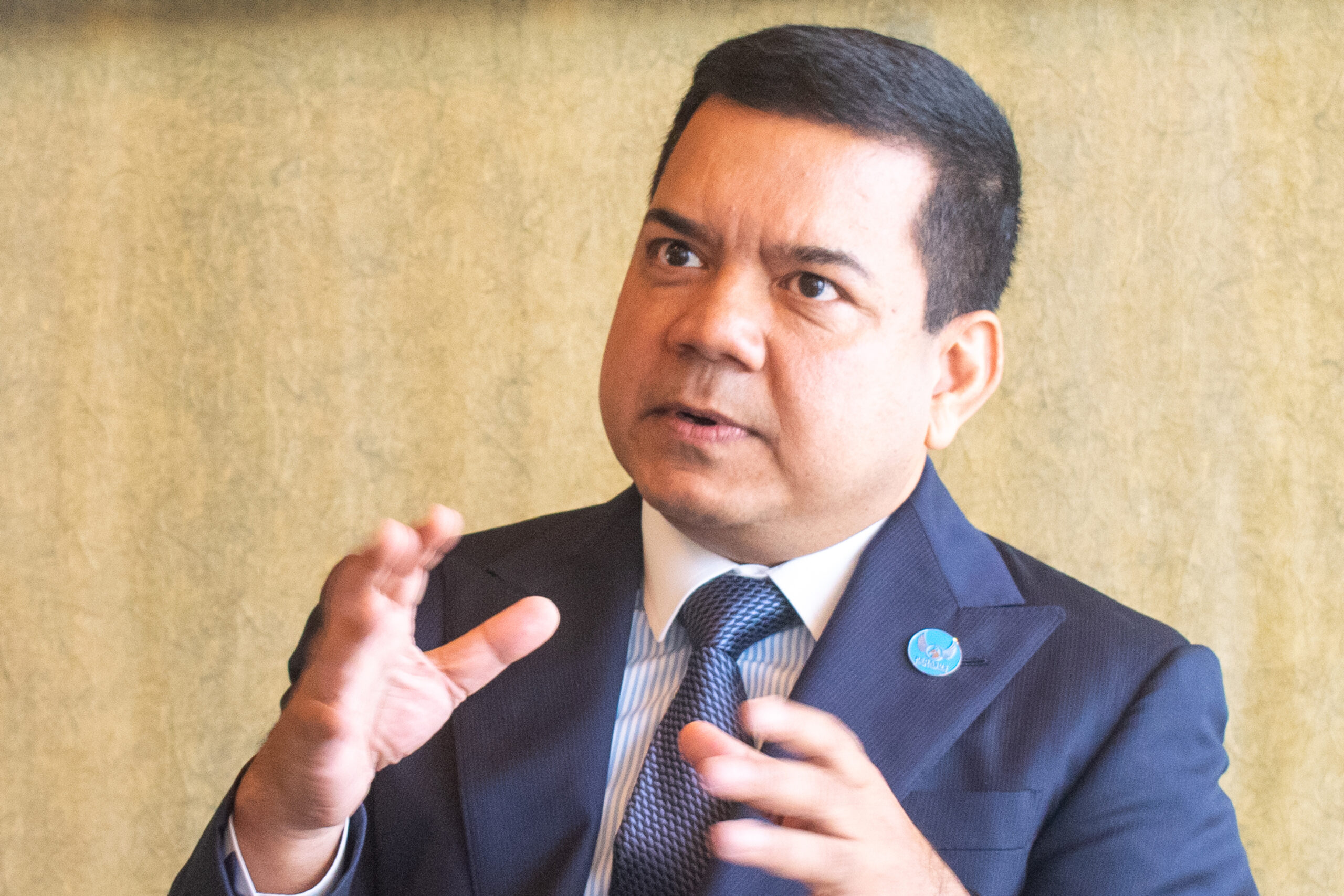
At Tokyo Tech, I studied electrical, electronic, and information engineering. After graduating, I returned to the United States for graduate school at Oklahoma State University, where I studied semiconductor manufacturing.
I worked across a wide range of chipmaking processes, from hardware programming and layout design to lithography to create circuit patterns, dicing to separate individual chips, and bonding to attach and connect them to a substrate. It was all hands-on work.
That experience later became a significant advantage for me as an investor. Because I know the work firsthand, I can more readily understand the substance of a technology and make informed investment decisions.
I subsequently joined IBM in New York, and my experience there ultimately led me to establish a venture capital firm.
I worked on mergers and acquisitions, new business initiatives, and the development of semiconductor simulation software, often sacrificing sleep to keep delivering results. That work earned me a position reporting directly to the president’s office.
At the forefront of IBM’s business, I learned what world-class decision-making looks like and what it takes to build businesses that move the world. I believe those lessons made Pegasus what it is today.
Trust Is Earned Through Results
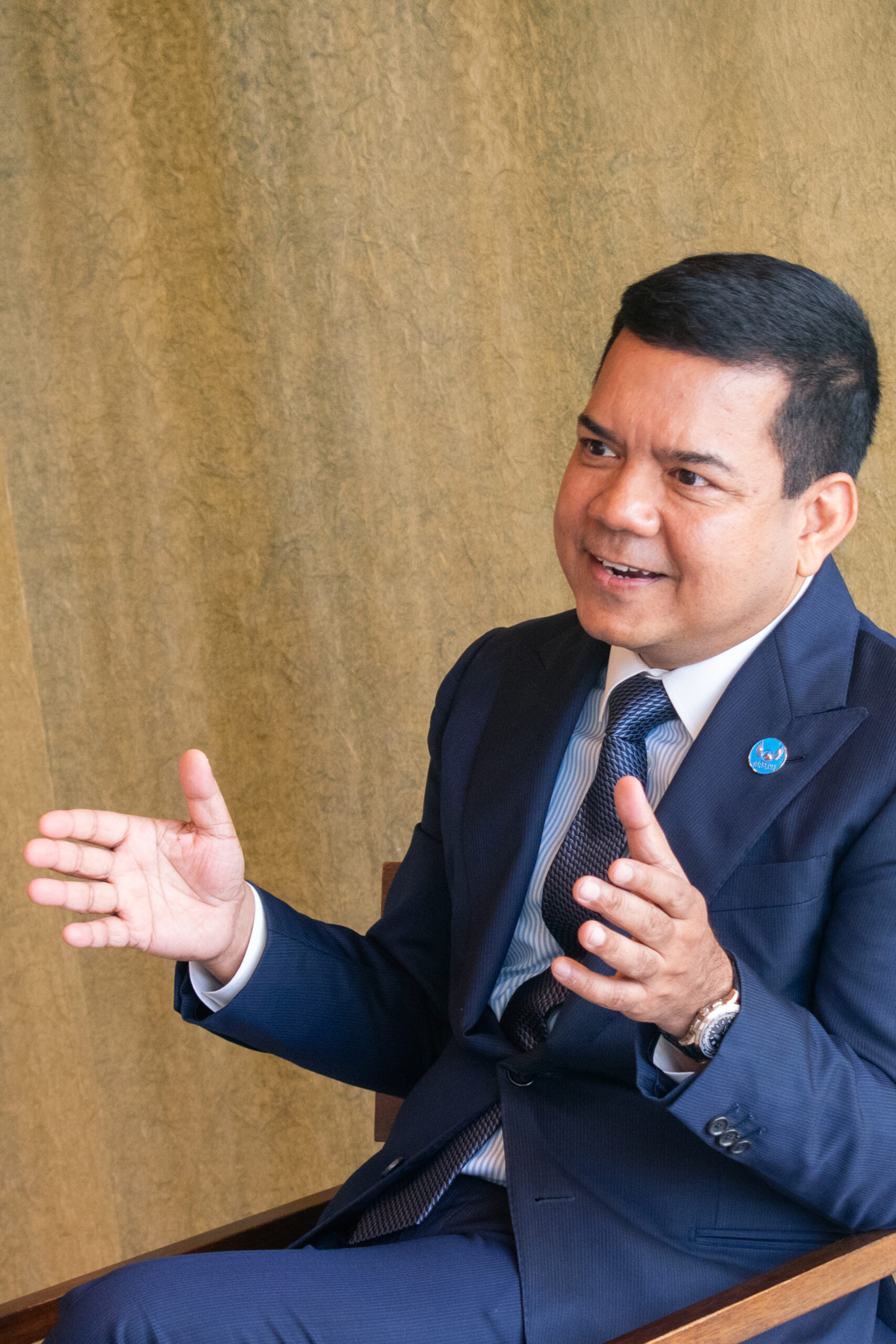
My desire to establish a venture capital firm of my own—to support new businesses and startups—grew stronger, and I founded Pegasus Tech Ventures. The following year, we began developing our business in Japan in earnest. In those early days, I felt an intense sense of urgency: “If we cannot become profitable within the first three or four years, it is over.”
What has been the greatest challenge of my life? Earning trust in Japan as a foreigner—and, more specifically, as a nonwhite foreigner.
At first, people often questioned my intentions. “Is he just here for short-term profits before pulling out?” “Is he really serious about this?” I faced a great deal of skepticism and criticism.
An American approach to business can lead you to focus on short-term gains. But at the heart of Japanese business are long-term relationships built on trust. The only way to dispel those doubts was to stay the course and keep delivering results.
One stroke of good fortune was that our first investment was DLE, the animation company known for Eagle Talon. Its listing on the Tokyo Stock Exchange’s Mothers market marked the beginning of a series of successes. We invested in approximately 50 companies in Japan, including Metaps, Money Forward, AirTrip, and ZUU, and at least ten of them went public.
We kept our promises, did the hard, often unglamorous work, and consistently delivered results. We maintained that approach for ten, then fifteen years. Over time, more and more companies chose to work with us.
For example, AISIN Corporation, one of Japan’s leading automotive parts manufacturers, doubled the size of its fund with us from US$50 million to US$100 million and committed to a long-term partnership spanning 18 years. Japanet Holdings, which oversees the Japanet Group, a major Japanese home-shopping business, also quadrupled its fund to US$200 million.
I learned firsthand that trust is not something you can simply ask for. You earn it over time, by proving yourself through results.
A Thousand Letters a Year, Opening Doors and Changing Lives
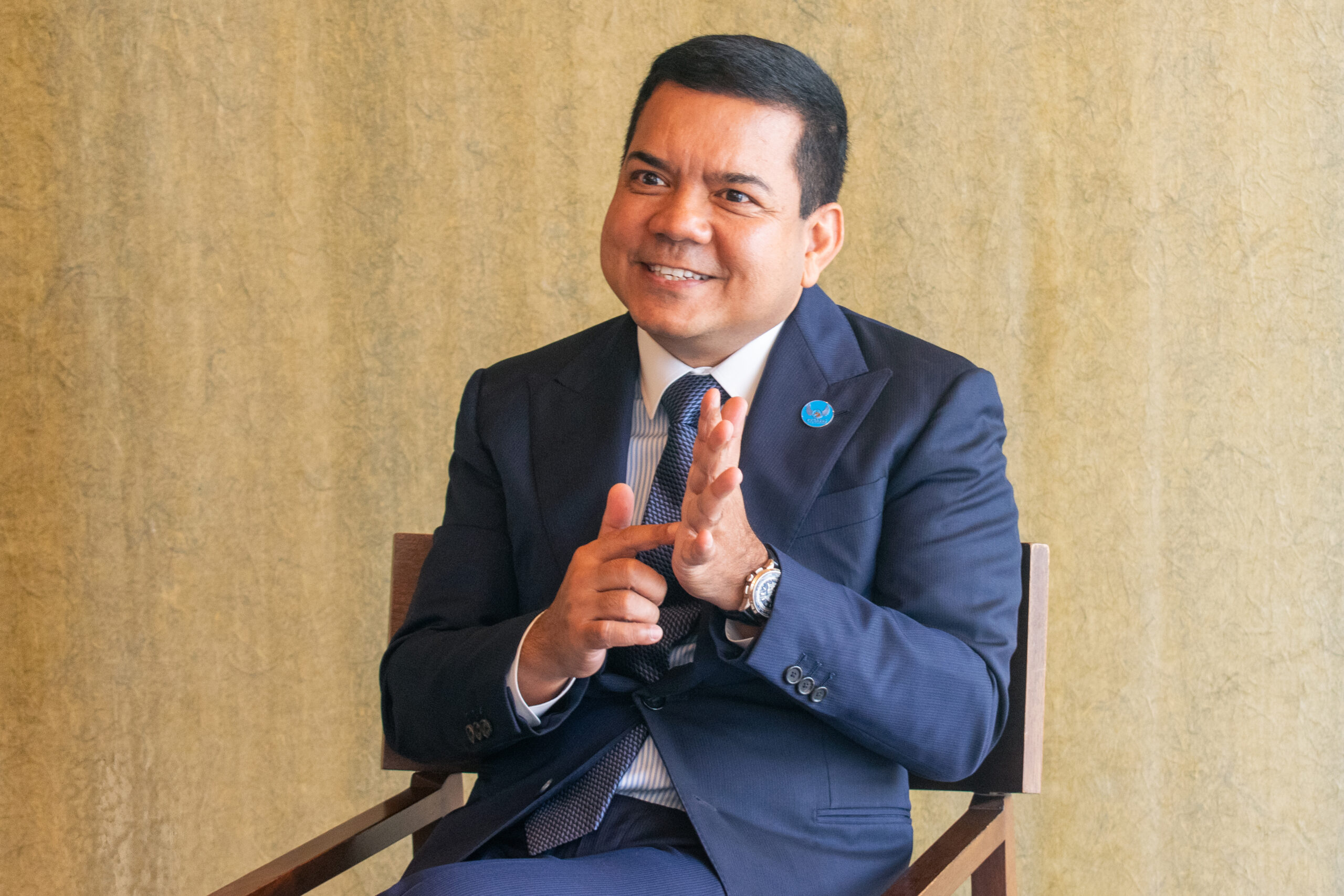
We launched Startup World Cup in 2017. Today, it is one of the world’s largest pitch competitions, bringing together entrepreneurs from more than 200 regions around the world. New businesses emerge from the event, and it has become a major pillar of Pegasus.
The original idea was to bring together prominent entrepreneurs and investors I had met in Silicon Valley for a forum where people could learn from one another. I also wanted to create a way for people to connect with Silicon Valley.
But the event serves another mission—one on which I will not compromise: helping entrepreneurs from Africa, South America, and Southeast Asia obtain visas to enter the United States.
Many young people, however remarkable their talent or technology, cannot even secure a U.S. visa because of where they were born or the circumstances they face. For them, I personally write and send more than 1,000 letters of recommendation and invitation every year to U.S. embassies around the world.
It is unglamorous work. But by engaging persistently with embassies and continuing to submit the necessary official documentation, we have achieved a visa approval rate of more than 99 percent for entrepreneurs competing in our event.
A single letter I write can open the way to a visa—and turn a young person’s dream into reality.
This does not generate direct financial returns. But it does create social impact on a global scale, fundamentally changing the course of people’s lives.
Two Business Philosophies that Guide My Leadership
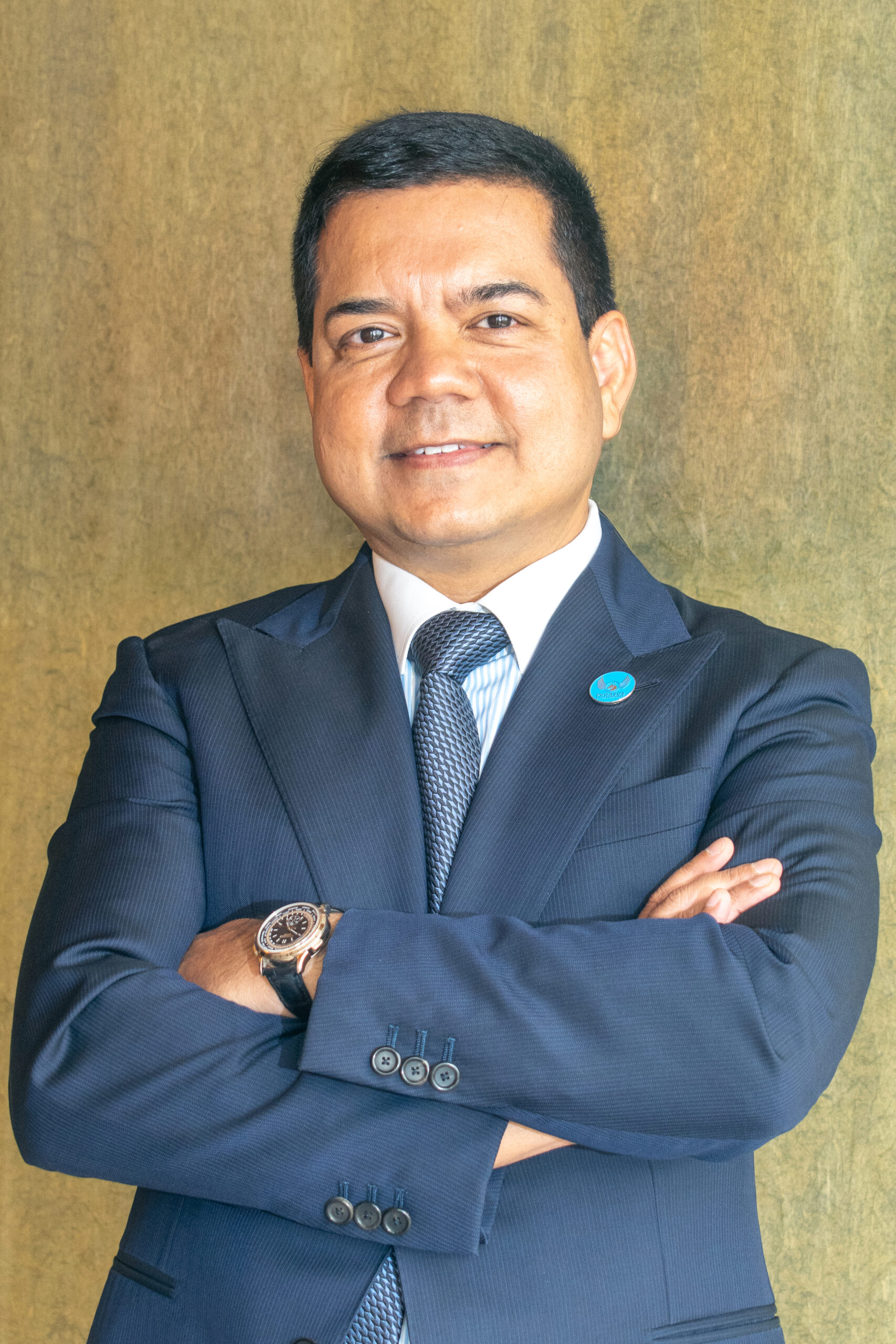
Never give up. And serve every client with sincerity and the utmost care—in the spirit of the Japanese saying, “The customer is god.” Those are my two guiding philosophies.
Even today, I personally keep a close eye on our customer support and the finer details of our email correspondence with clients. People are often surprised: “Why does the CEO need to be involved at that level?” Because the quality of a company reveals itself in the details. In the end, quality is everything.
Japanese companies have remarkable technologies and proud histories that deserve global recognition. What they lack is the courage to embrace new approaches—and the speed to put them into practice.
Innovation is a catalyst for economic growth. But there are limits to what companies can achieve by insisting on doing everything in-house. I believe they need the know-how and speed to collaborate with overseas startups, introduce cutting-edge technologies, and expand across Asia.
My ambition is not simply to connect one company with another. I want to create meaningful impact through connections between nations. That is the challenge I am taking on next.
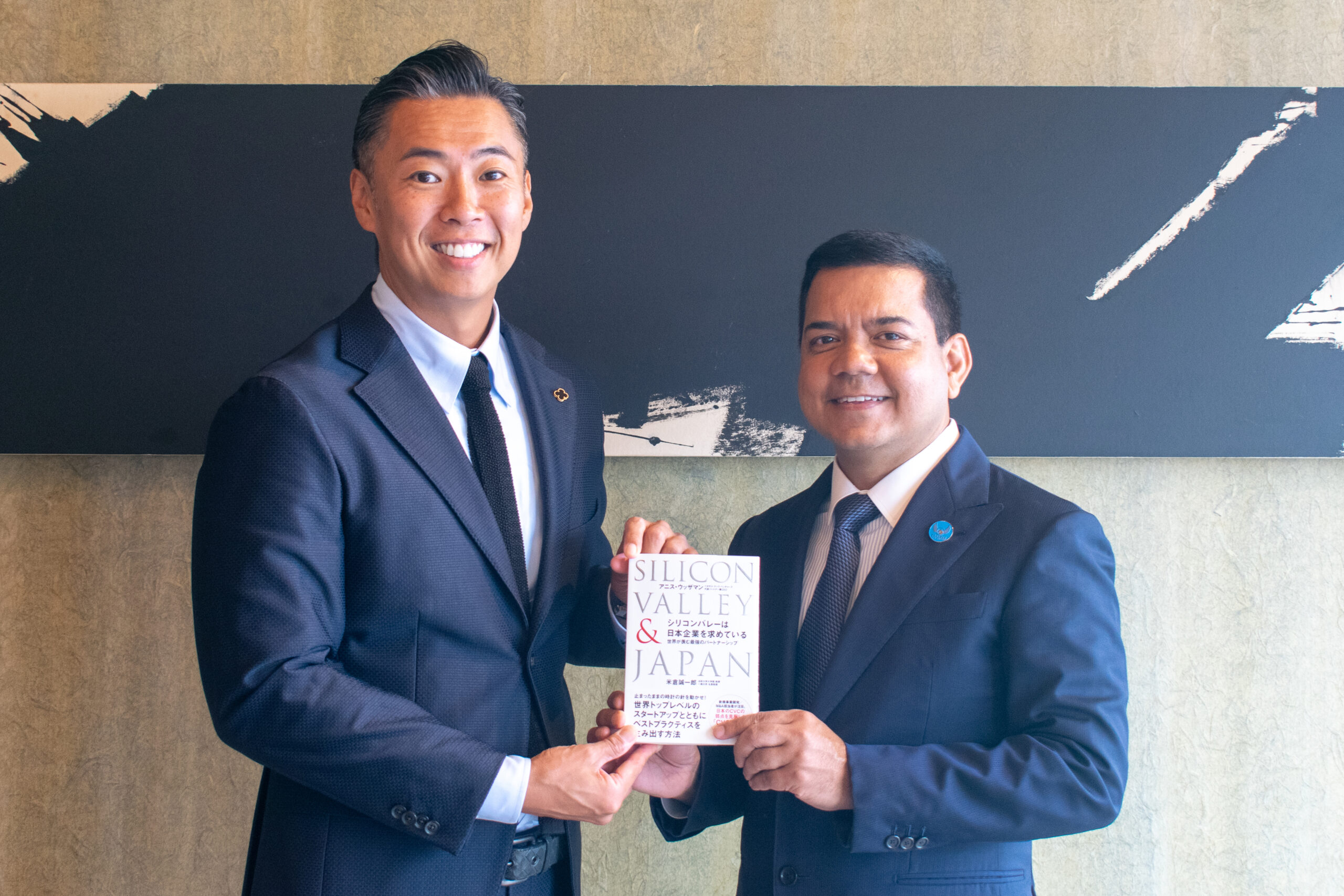
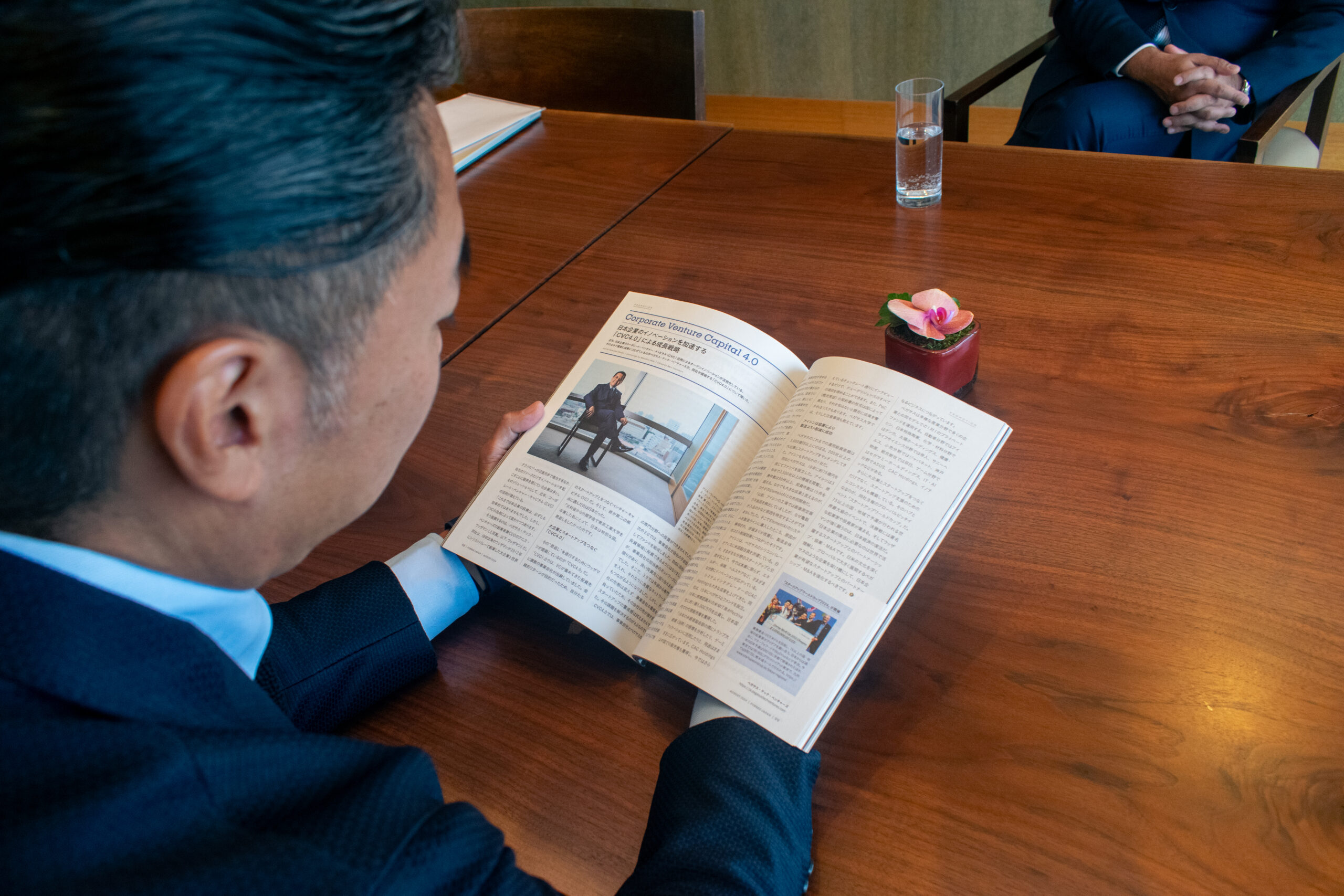
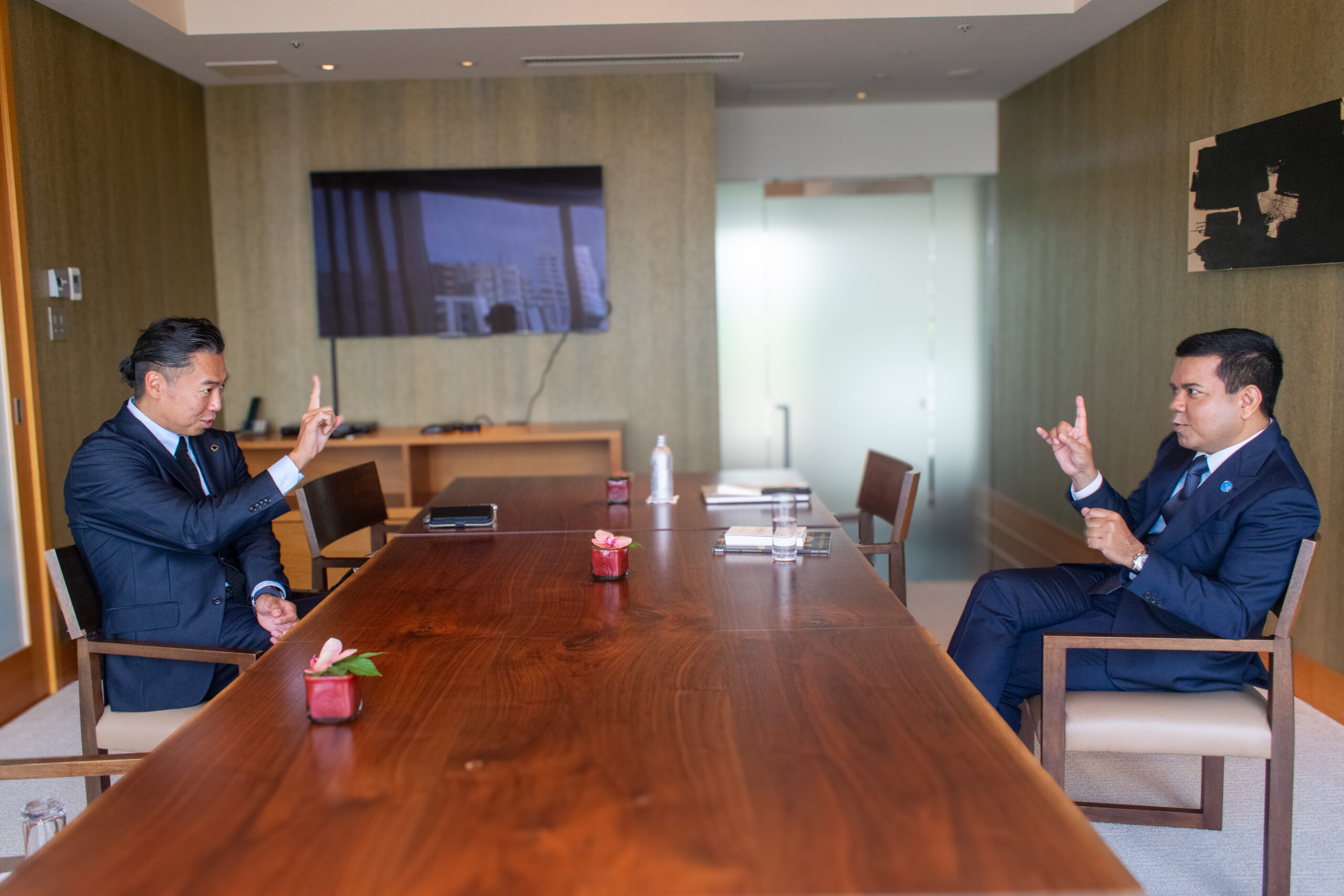
Daisuke and I first crossed paths in 2014, when we were both working to build bridges between Silicon Valley and Japan’s leading corporations—long before he ever turned a microphone toward me. When we finally sat down for this interview, it did not feel like a conventional media interview.
It felt like a thoughtful conversation with someone who already understood both the opportunity and the responsibility involved in connecting people, ideas, and industries across borders.
What has always impressed me about Daisuke is his precision. I have spent my career believing that quality lives in the details—in how carefully one reads a customer’s email, how rigorously one examines an investment thesis, and how seriously one honors a commitment. I recognized that same instinct in Daisuke. His questions were never generic; on several occasions, they prompted me to articulate experiences and convictions that I had lived through but had never fully put into words.
Over the past twelve years, I have watched him build something genuinely distinctive through My Philosophy: a platform that treats each leader’s story—with its challenges, decisions, and guiding principles—with seriousness, respect, and craftsmanship. In a world where information moves quickly and attention is often short, he has created an important space for leaders to reflect on the values that guide their lives and work, and for future generations to learn from them.
I greatly respect Daisuke’s energy, professionalism, and sincere commitment to connecting people across industries, generations, and borders. I have no doubt that he will achieve his goal of 1,000 interviews, and that My Philosophy will continue to demonstrate that the world’s most meaningful business stories—and the philosophies behind them—do not stop at any border.
Founder & CEO, Pegasus Tech Ventures
Founder & Chairman, Startup World Cup
Dr. Anis Uzzaman
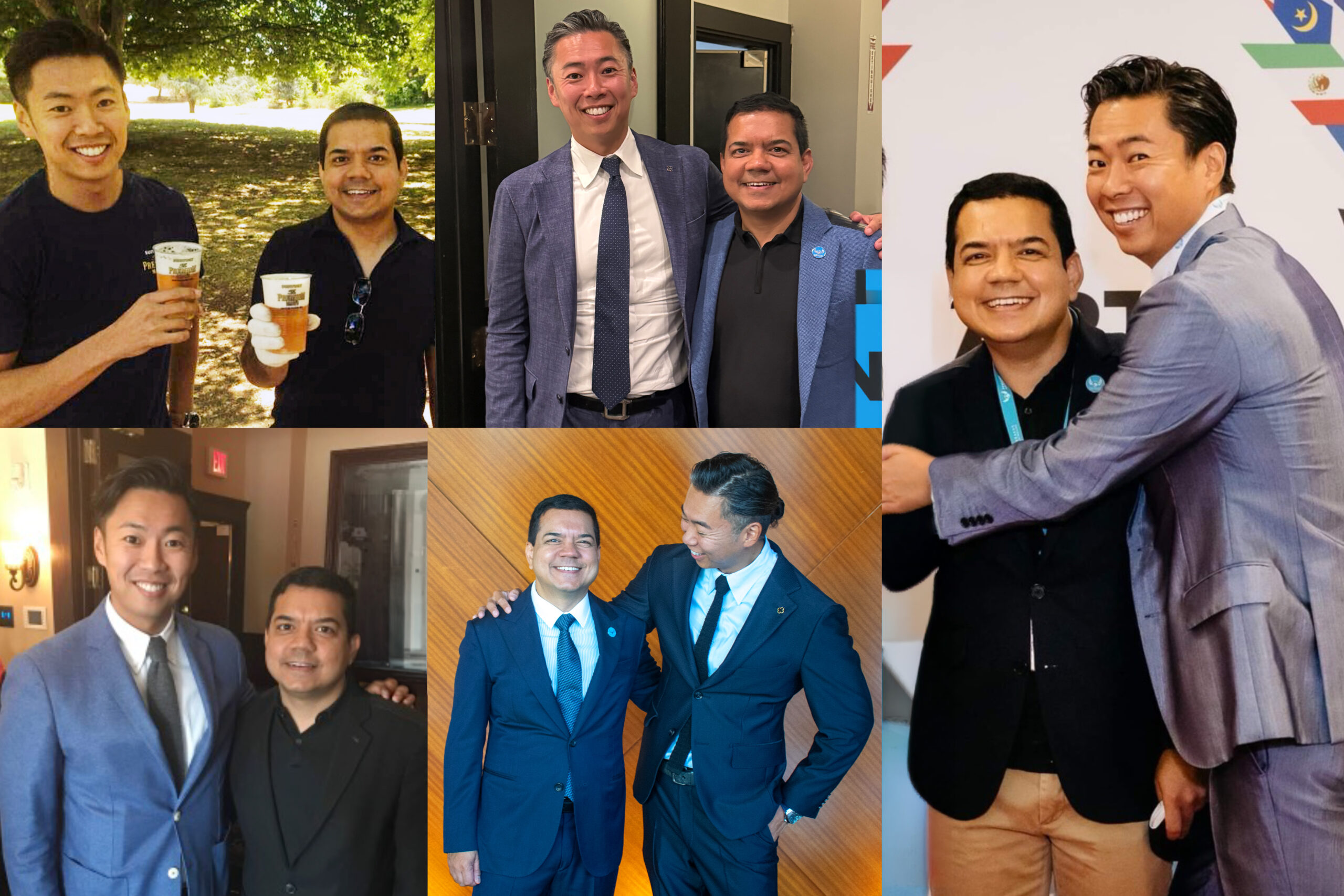
I first met Anis in 2014. At the time, I was serving as president of the late former Sony chairman Nobuyuki Idei’s company, working to build bridges between major corporations and startups. Our paths crossed through projects in Silicon Valley and Israel, beginning a friendship and business partnership that has now spanned twelve years.
One remark from our conversation has stayed with me:
“The only way to dispel those doubts was to stay the course and keep delivering results.”
I, too, started my own company at nineteen, without connections or capital. A title alone does not earn you credibility. You build trust by taking responsibility for the work in front of you, keeping your promises, and delivering results. That is a lesson I have learned firsthand. His words resonated with me not as a neatly packaged lesson in success, but as the hard-earned insight of someone who had lived it.
Through my work supporting Japanese companies, I have visited Pegasus’s headquarters many times with corporate clients. Each time, I have been struck by Anis’s boundless passion for his work. Listening to his story in this interview, I came away with a clearer sense of what sustains a business on a global scale: not just a bold vision, but a consistent commitment to treating every person and every task with sincerity and care.
“Whether you sell a scooter, a Ferrari, or a boat, it’s still one invoice.”
That line, from an earlier conversation with Anis, has also shaped how I think about business. To me, it is not simply a call to pursue bigger deals. It is a reminder not to put a ceiling on what we can achieve—and to take on work that creates greater value. Think big, but never neglect the day-to-day work that brings that vision to life. I believe it takes both to turn ambition into results.
My Philosophy and ILI are both now in their twentieth year. Having come this far with the support of so many people, I find myself reflecting not only on the courage it takes to begin, but also on the responsibility of sustaining what we have built.
Think big. Honor each commitment with care. What can I do today to earn someone’s trust? Anis’s journey seems to put that question to each of us. In my own work connecting Japan with the wider world, I want to keep answering it through action.
DK Sugiyama, Editor-in-Chief, My Philosophy
September 2026
GRAND HYATT TOKYO
Interview & Editing: DK Sugiyama
Project Manager: Chiho Ando
Text: Eri Shibata
Photography: Hirona Goto
Production: My Philosophy® Editorial Team
Milestone (2007~)
View all Interviews
-
Vol.130 Mihoko Yamasaki
Creator of a Walking Method for Better Posture and Gut Health
-
Vol.129 Anis Uzzaman
Founder and CEO, Pegasus Tech Ventures
Founder and Chairman, Startup World Cup -
Vol.128 Nicolai Bergmann
Flower Artist
-
Vol.127 Hideki Wada
Psychiatrist
-

Vol.126 Hiroki Ogawa
General Manager, UMITO Kamakura Koshigoe|Chef, Le RESTAURANT
-
Vol.125 Seiichi Okada
Owner & Vice Chairman, Medical Corporation Seiseikai Inokuchinoma Hospital
President & CEO, Okada Medical Investment Co., Ltd. -
Vol.124 Masato Kato
President & CEO, Bechstein Japan Co., Ltd.
Klavierbaumeister -
Vol. 123 Akiko Yamamoto
Japan President, Van Cleef & Arpels, Richemont Japan
-
Vol.122 Akimi Fukuhara
Pianist
-
Vol.121 Sammy Miyamoto
Hairstylist & Entrepreneur / President, “momotaro salon”
-
Vol.120 Ryotaro Muramatsu
Artist / Founder of NAKED, INC. / Visiting Professor at Osaka University of Arts / Branding Director of Achi Village, Nagano
-
Vol.119 lecca
Singer-Songwriter
-
Vol.118 John Tanzella
President / CEO of the International LGBTQ+ Travel Association (IGLTA)
-
Vol.117 Marin Alsop
Conductor
-
Vol.116 Hajime Kinoko
Modern Artist, Kinbakushi (Rope Master), Rope Artist, Photographer
-
Vol.115 Shintaro Koizumi
Out Japan Co., Ltd Chairman
SK Travel Consulting Co., Ltd (Out Asia Travel) President
International LGBTQ+ Travel Association (IGLTA) Ambassador to Asia -
Vol.114 George Fujisawa
George Fujisawa, President of Fluid Power, Ltd.
-
Vol.113 Kazumi Arikawa
President, Albion Art Co., Ltd.
Founder, Albion Art Jewelry Institute
Chevalier of the Ordre des Arts et des Lettres (French Republic)
International Council Member, Metropolitan Museum of Art (New York) -
Vol.112 Leslie Kee
Photographer
-
Vol.111 Mitsuyuki Takada
President and CEO of Albalkan Corporation
-
Vol.110 Koji Sato
Head Chef of Yamagata Kappo Akasaka Ajisai
-

Vol.109 Krishna Ramachandra
Founder and Non-Executive Chairman of Digital Insights Ventures
-
Vol.108 Marc Einstein
Chief Analyst of ITR Corporation
-
Vol.107 Kentaro Sakai
President and CEO of Sakai Fish Farm Co., Ltd.
-
Vol.106 Ryuki Narita
President of Narita Koi Farm Co., Ltd.
-
No.105 Yoshihiro Tsumura
President and Group CEO, Aderans Co., Ltd.
-
Vol.104 Takatoshi Maruo
"Bali's Aniki (*Big Brother)"
-
Vol.103 Takashi Shimokawa
Principal of the preparatory school "Bulkan Juku" | President and CEO of Tass Group
-
Vol.102 Sayuri Yamaguchi
Ginza "CLUB GRÈS" Owner Mama
-
Vol.101 Koji Yamamoto
President and CEO of Global Partners Inc.
-
Vol.100 Tetsuo Gyotoku
Director of the Japan BE Research Institute
-
Vol.99 Kiyoshi Murano
Philosopher and Astronomer | Futurist
-
Vol.98 Hiroshi Yaegashi
Catalyst | Business Creator
-
Vol.97 Hiroyuki Sasaki
Chairman, Group Representative & CEO Pro Labo Holdings Co., Ltd.
-
Vol.96 Satoshi Yamaguchi
Chairperson of the Chitose Koyukai Social Welfare Corporation
-
Vol.95 Hideko Suzuki
Doctor of Literature | Critic
-
Vol.94 Kiyoshi Kurokawa
Doctor of Medicine | Honorary Professor at the National Graduate Institute for Policy Studies | Representative Director of the Health and Global Policy Institute
-
Vol.93 Hiroshi Senju
Japanese Painter | Professor at the Graduate School of Kyoto University of the Arts and Design
-
Vol.92 Takashi Yamane
Management Scholar | Certified Public Accountant | Professor at Waseda University Graduate School of Business and Finance (WBS) | Emeritus Professor at Keio University
-
Vol.91 Kazuo Noda
Honorary Chairman of the Japan Research Institute, a general incorporated foundation | Honorary Chairman of the Social Development Research Center, a general incorporated foundation | Honorary President of Tama University | Honorary President of The Graduate School of Project Design
-
Vol.90 Goichi Okada
Sales Office Manager, Prudential Life Insurance Co. | Senior Consulting Life Planner
-
Vol.89 Tatsumitsu Yamazaki
Honorary Chairman of the Japan Sailing Federation | Former Chairman of S&B Foods Inc.
-
Vol.88 Rick Blangiardi
Hawai‘i News Now Manager
-
Vol.87 Timothy Cottrell
Head of School, ‘Iolani School
-
Vol.86 John Gotanda
President of Hawai‘i Pacific University
-
Vol.85 George Ariyoshi
Former Governor of Hawaii
-
Vol.84 Taro Yoshida
President and CEO, Hawaii Hochi Ltd.
-
Vol.83 Naoki Kusano
President, HANAKEN | TOKYO TONKOTSU RA-MEN BANKARA Founder
-
Vol.82 Akira Kawashima
Doctor | Doctor of Medicine | Professor, Department of Acupuncture and Moxibustion, Faculty of Health Sciences, Tokyo Ariake University of Medical and Health Sciences
-

Vol.81 Reika Asai
President of Kirei Company, Inc.
-
Vol.80 Seiji Hayashi
President and CEO of Car Conveni Club Co., Ltd.
-
Vol.79 Shinichi Inoue
CEO of Peach Aviation Co., Ltd.
-
Vol.78 Katsuyoshi Fukuyama
President and CEO of Gardner Co., Inc.
-
Vol.77 Nahoko Ishikawa
Representative Director, Sixth Sense Labs, Inc.
-
Vol.76 Shin Yamagishi
Photographer
-
Vol.75 Mikio Kawai
Professional Surfer
-
Vol.74 Isao Aoki
Professional Golfer | Chairman, Japan Golf Tour Organization
-
Vol.73 Norihiko Sasaki
Executive Director, Editor-in-Chief of NewsPicks | Editor | Journalist
-
Vol.72 Yazaki Yasuhisa
Freelance Journalist | Editor
-

Vol. 71 Michael Anthony
Executive Chef, Gramercy Tavern
-
Vol.70 Kenji Takenaka
Flower Designer
-
Vol.69 Daniel T. Ebihara
Head of the New York Kendo Dojo, Entrepreneur, and Product Designer
-
Vol.68 Kyoko Gasha
Journalist | Film Director
-
Vol.67 Casey Taniguchi
President of Yomitime
-

Vol.66 Misao Ito
Writer | Art Producer
-
Vol.65 Narimasa Nakaoka
President and Representative Director, Suzukake Co., Ltd.
-
Vol.64 Takashi Sano
Chocolate Shop Owner-Chef
-
Vol.63 Toshiaki Kurosaka
Chairman of Porsche Japan K.K.
-
Vol.62 Taro Saito
Communication Designer. President and CEO of dof Inc., Co-CEO of CC Inc., Outside Director of VOYAGE GROUP Inc., Outside Director of Oceanize Inc., and Global Strategy Committee Member of the NPO TABLE FOR TWO.
-
Vol.61 Hideyuki Murakami
President and CEO of Iwataya Mitsukoshi Ltd. | Executive Vice President of Isetan Mitsukoshi Holdings Ltd.
-
Vol.60 Yoshiyuki Okuno
Owner-Chef of Ristorante La Brinca
-
vol.59 Rika Yukimasa
Culinary Researcher | CEO, REKIDS Co., Ltd.
-
Vol.58 Kazuko Tōdō
Manager and Proprietor of "Royal Box" and "Lindbergh" | Editor-in-Chief of 'LB Nakasu Newsletter
-
Vol.57 Takaharu Futaeda
CEO, Anny Group KFT
-

Vol.56 Kengo Kuma
Architect
-
Vol.55 August Hergesheimer
President and CEO of Abios Corporation | Ph.D. in Nutritional Science
-
Vol.54 Tomio Taki
Honorary Advisor, Takihyo Co., Ltd.
School Board Chairman, Taki Academy, Inc.
Board Member, Mikimoto (America) Inc. -
Vol.53 Tadashi Okura
President and CEO of Torikizoku Co., Ltd.
-
Vol.52 Hiroshi Sugimoto
Japanese Painter | Specially Appointed Professor at Yokohama University of Art and Design
-

Vol.51 Aureana Tseu
Hula Artist
-
Vol.50 Don Konishi
Fashion Designer | Visiting Professor, Nagoya University of Arts and Sciences
-
Vol.49 Sachio Senmoto
Chairman of the Board, Renova, Inc.
-
Vol.48 Naoyoshi Amari
Head Priest of Ichigyosan Senshuji Temple | Principal of Senshu Kindergarten
-
Vol.47 Takashi Maeno
Dean and Professor of the Graduate School of System Design and Management at Keio University.
-
Vol.46 Tomizo Yamaguchi
Third-Generation Head of Kyoto Confectionery "Suetomi"
-
Vol.45 Toshiharu Kokubun
Representative Director of Earth Holdings Co., Ltd.
-
Vol.44 Keita Obara
Professional boxer
-
Vol.43 Yuko Kibayashi Shin Kibayashi
Non-fiction writer and manga creator
-
Vol.42 “My Philosophy” Junki Yoshida
Chairman and CEO, Yoshida Group & Founder, Yoshida Sauce
-
Vol.41 Seisei Hanayama
Artist
-

Vol.40 Yoshiharu Sekino
Explorer | Anthropologist | Professor at Musashino Art University
-
Vol.39 Masaki Yokokawa
Representative of WELCOME Group
-
Vol.38 Tamami Sunoda
President and CEO of NOZZE (Marriage Information Center)| President, CEO, and Owner-Designer of Fashion Brand "JuviJuvi"
-
Vol.37 Shuichi Tsuji
Sports Doctor | CEO of Eminecross Co., Ltd.
-
Vol.36 Yuichiro Miura
Professional Skier | Principal of Clark Memorial International High School
-
Vol.35 Nobufumi Matsunaga
Educational Environment Setting Consultant | Founder of V-net Educational Consultation Office
-
Vol.34 Tetsu Mizutani
Suntory Beer Limited - President, Chief Executive Officer
-

Vol.33 Yukino Kikuma
Lawyer
-

Vol.32 Keiko Kouda
CEO of AsMama Co., Ltd.
-

Vol.31 Takami Hasebe
White Ship Inc. CEO | Art Producer
-

Vol.30 Aya Kinoshita
Representative Director of UHM Co., Ltd. | General Manager of Hotel Niwa Tokyo
-

Vol.29 Clara Komazaki
KoLabo Co., Ltd. Representative Director and President
-

Vol.28 Nobuko Tsutsumi
Lecturer at Showa Women's University, Aoyama Gakuin Women's Junior College, and Hosei University | Freelance Announcer | Essayist
-

Vol.27 Yu Kaida
Portrait photographer
-

Vol.26 Manabu Miyasaka
President and CEO, Yahoo Japan Corporation
-

Vol.25 Shuichiro Kimura
Representative Director of Boulangerie Eric Kayser Japon Inc.
-

Vol.24 Yohei Sadoshima
President and CEO of Cork, Inc.
-

Vol.23 Toshiaki Kanda
Representative of Kanda News Network | IT Journalist, Social Media Consultant
-

Vol.22 Emmy Suzuki Harris
Japanese Representative of Change.org
-

Vol.21 Masakazu Yanagisawa
Director of Global Prime Finance Sales at Deutsche Securities Inc. | Board Member of NPO good aging yells
-

Vol.20 Fumio Tateishi
Chairman of the Board of Directors, OMRON Corporation
-

Vol.19 Nobuyuki Idei
Founder & CEO, Representative Director of Quantum Leap Corporation
-

Vol.18 Rowland Kirishima
Photographer | Multi-Creator
-

Vol.17 Junko Masachika
Founder of Personal Styling | President and CEO of Fashion Rescue Ltd. | Dean of Personal Stylist Japan | Chairman of the Professional Personal Stylist Association
-

Vol.16 Kumiko Otsuka
President and Representative Director of Otsuka Kagu, Ltd.
-
Vol.15 Tsugihiko Fujiwara
President and CEO of AOI Pro. Inc.
-
Vol.14 Hideaki Inoue
President and CEO, Park Corporation
-
Vol.13 Edward Suzuki
Architect | Representative of Edward Suzuki Associates Inc.
-
Vol.12 Hiroshi Kato
Economist
-
Vol.11 Seiichi Shimada
Special Advisor at Nihon Unisys Ltd. | Former Chairman of the Japan Housing Finance Agency | Former Vice President of Mitsui & Co., Ltd. | Former President of Nihon Unisys Ltd.
-
Vol.10 Kanae Doi
Japan Representative, International NGO "Human Rights Watch" | Lawyer
-
Vol.9 Hitomi Kumasaka
Social Media Consultant | President and CEO of Social Media Research Institute Co., Ltd.
-
Vol.8 Yuriko Takahashi
CEO of E.OCT Inc.
-
Vol.7 Kazuhiro Hasegawa
Representative of the Corporate Power Institute | Senior Researcher at the Inter Professional Education Research Center, Chiba University of Commerce (CUC)
-
Vol.6 Kage
President and Representative Director of Caricature Japan, Ltd., and Representative Artist | Asian Ambassador for the National Caricaturist Network (NCN)
-
Vol.5 Fumi Sasada
President and CEO of BRAVIS International, Inc. | Chairman of the Japan Package Design Association
-
Vol.4 Kota Matsuda
Chairman of Tully's Coffee International | President of Quiznos Asia Pacific
-
Vol.3 Shigeru Uchida
Interior Designer
-
Vol.2 Naoyuki Agawa
Dean of the Faculty of Policy Management at Keio University.
-
Vol.1 Hitoshi Suga
Venture Capitalist