



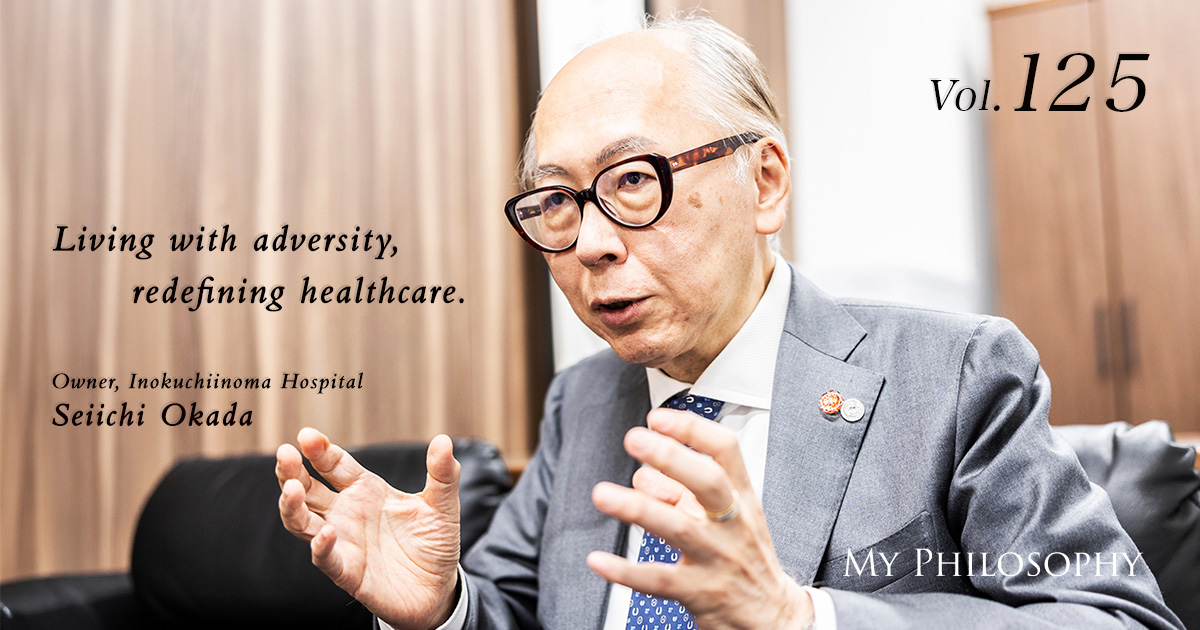
“It is people who transform hospitals.” — This is the belief of Seiichi Okada, President & CEO of Okada Medical Investment Co., Ltd. After beginning his career at a trading company, Okada shifted into the field of healthcare, immersing himself in frontline medical practice before becoming deeply involved in the revitalization of numerous hospitals.
For Okada, true organizational transformation is not achieved through systems or capital alone. Rather, it begins with identifying a single key person — someone capable of changing the atmosphere and direction of an entire institution — and then committing wholeheartedly to that individual and the people on the ground.
Having spent his life asking the question, “What does it truly mean to stand beside another person?”, Okada has arrived at a profound understanding of the essence shared by both healthcare and management.
Profile
Vol.125 Seiichi Okada
Owner & Vice Chairman, Medical Corporation Seiseikai Inokuchinoma Hospital
President & CEO, Okada Medical Investment Co., Ltd.
Born in Fukuoka in 1960, Seiichi Okada graduated from Higashi Fukuoka High School and the Faculty of Commerce at Fukuoka University. In 1983, he joined Aso Shoji Co., Ltd. After leaving the company, he enrolled at the Kawasaki Medical School Rehabilitation College, where he passed the national examination to become a licensed occupational therapist. After serving as Director of the Occupational Therapy Department at Hakujujikai, he founded “Chitoku Gakuen,” an educational institution for children with developmental disabilities, in Fukuoka City in 1992 and served as its principal.
Following his work in nursing care, welfare, and health-related services, he established Okada Medical Investment Co., Ltd. in 2005. Since then, he has been actively involved in hospital management and currently serves as Vice Chairman of Inokuchinoma Hospital. He is also affiliated with the Department of Neuropsychiatry at the Faculty of Medical Sciences, Kyushu University, as a Special Research Trainee.
Seiseikai Inokuchinoma Hospital
https://inokuchinoma.com/
Medicine Was My True Calling
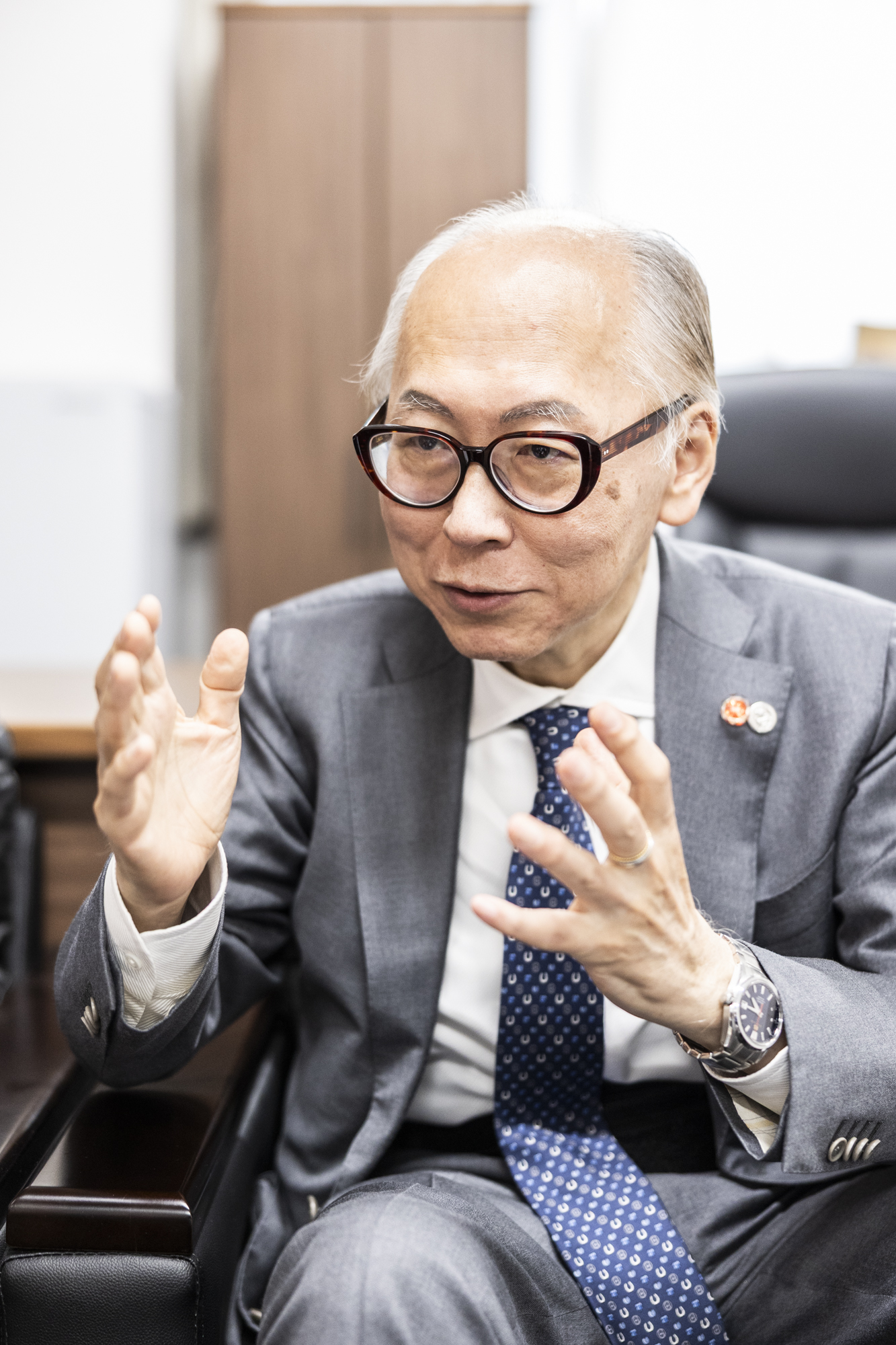
After graduating from university, I joined Aso Shoji and worked in sales. I could have continued down the path of being a company employee for the rest of my life. In fact, from society’s perspective, there was nothing particularly unsatisfactory about the environment or the conditions I was in. Yet somewhere deep inside, I kept asking myself, “Is this really the life I want to live?”
It was around that time that I had the opportunity to visit the rehabilitation department at Iizuka Hospital. The moment I encountered the people working there, the patients, and the atmosphere of the place itself, something inside me became clear.
“Medicine is my true calling.”
That was what I felt.
It was not a logical decision, nor one based on profit or loss. If anything, leaving a stable company could hardly be considered a rational choice. Even so, at that moment, I could see no other path for myself.
After resigning from my job, I volunteered with children with autism while continuing my studies, eventually enrolling at Kawasaki Rehabilitation College, where I obtained my occupational therapist certification.
The medical field was demanding, but it was also deeply rewarding. As patients gradually regained movement in their bodies, their expressions would change, and so would the expressions of their families. Being involved in the process of human recovery gave profound meaning to my work.
Those experiences continue to shape the way I manage hospitals today. When people hear the word “management,” they often think of numbers and organizational structures. But my foundation has always been the front line, the people, and the lives of patients themselves. Without understanding that reality firsthand, I do not believe one can truly understand healthcare.
I Chose the Child in Front of Me Over Profit and Loss
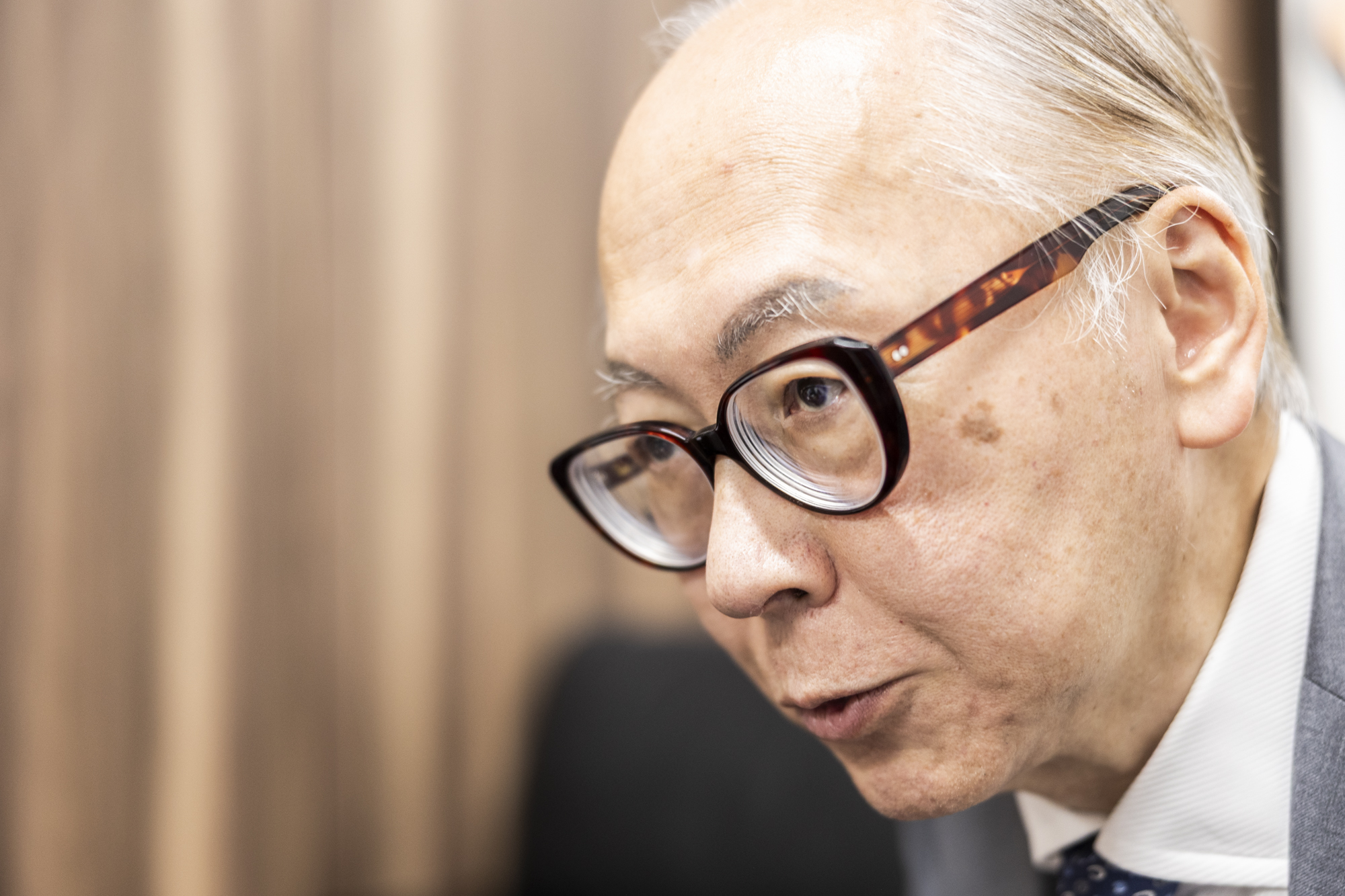
At the age of 34, I became independent and established Chitoku Gakuen, an educational institution for children with developmental disabilities. Today, the term “developmental disability” is widely recognized, but at the time, public understanding was still very limited. That was precisely why there were so many children and parents in need of such a place.
In the end, more than 300 children gathered there.
That alone demonstrated the enormous demand. However, having demand and sustaining a business are two very different things. Many of the children came from single-parent households, and tuition payments were often delayed. Financially, the operation was extremely difficult. In a positive sense, I was pursuing an ideal. Realistically speaking, perhaps I was simply “doing something that was not profitable.”
Yet I could not abandon those children simply because they lacked money.
From a business standpoint, perhaps that was naïve. But to me, it felt like drawing a line as a human being.
Fortunately, there were members of the business community in Fukuoka who sympathized with my approach and offered support. Thanks to that support, we were able to continue operating.
People do not help others based solely on calculation.
There will always be people who recognize and respond to genuine sincerity.
Although Chitoku Gakuen was eventually dissolved, it became an invaluable experience for me. Through it, I learned not only to avoid making decisions based solely on profitability, but also that ideals alone are not enough to sustain reality. In that period of my life, I was taught both idealism and realism in the harshest possible way.
Living With Illness Became the Foundation of My Life
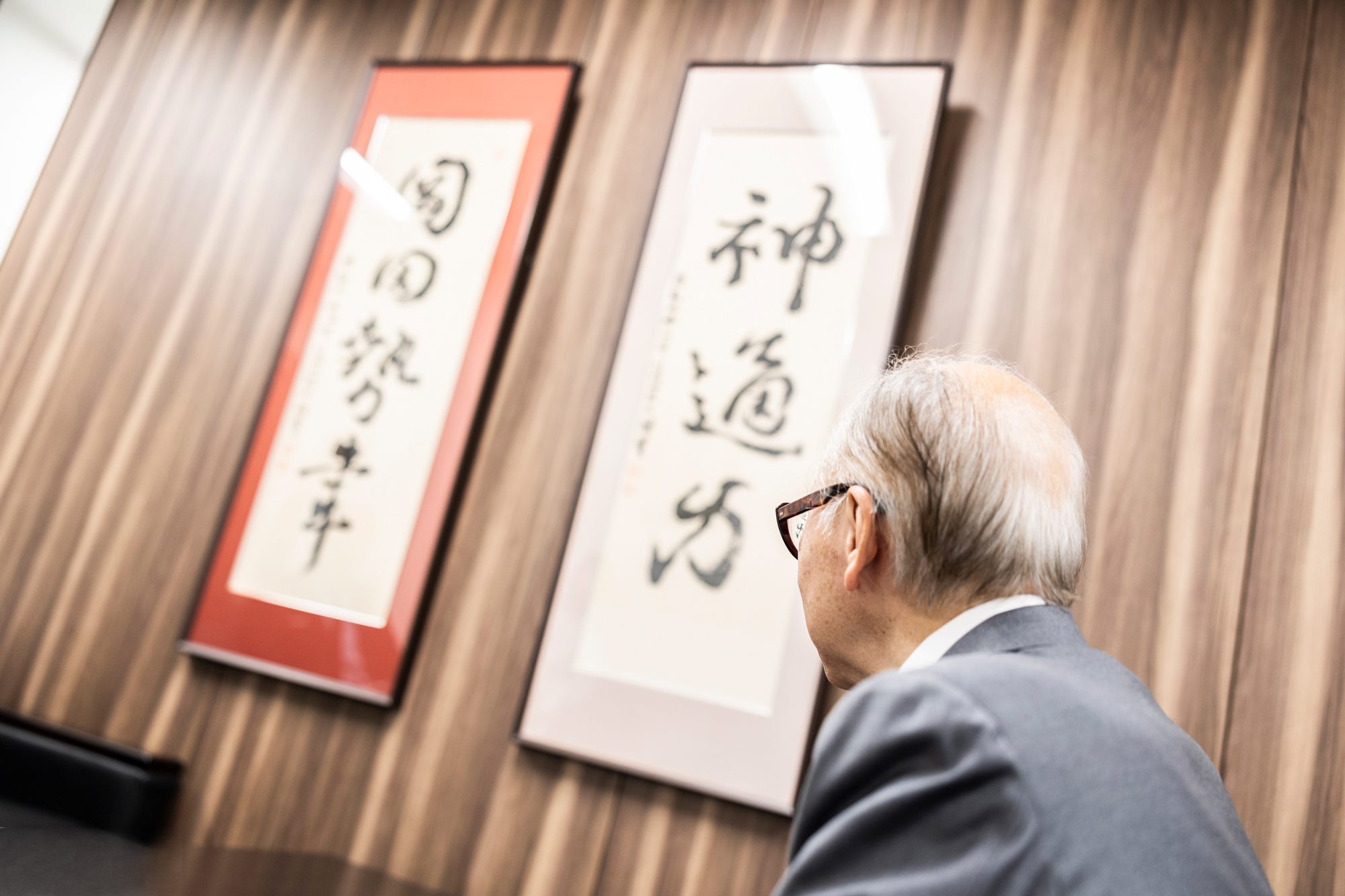
Since childhood, I have lived with a heart condition and suffered from severe attacks throughout my youth. There were many times when I truly believed, “This may be the end.” Later, I underwent two major heart surgeries. Most recently, my life was saved through the expertise of Dr. Go Watanabe, Director General of NewHeart Watanabe Institute and a pioneer in robotic cardiac surgery. Thanks to his care, I have been able to continue both my work and daily life. Even so, I have continued to live with physical limitations to this day.
For that reason, I have never believed that life unfolds exactly as one wishes. I never know when my body might suddenly fail me. That awareness has always remained somewhere in the back of my mind.
Years later, while training at a gym, a dumbbell fell on my right foot and fractured it. After that injury, I began experiencing symptoms similar to Parkinson’s syndrome. Having witnessed many cases in the medical field where a major injury triggered illness or caused rapid deterioration, I came to understand firsthand that “serious illness often begins with injury.”
Of course, there are inconveniences. Sometimes it takes time just to start walking, and there are many moments when I must rely on the help of others. Even so, I have rarely considered myself unfortunate. There are still things one can do while carrying illness, and in many ways, limitations allow you to see things you otherwise never would.
I place great importance on what I call “acceptance.”
This is not passive resignation. It means not forcing oneself to pursue what cannot be done, while at the same time protecting what must be protected under any circumstance. Above all, I never want someone else to control my life. Whether through illness or physical limitation, my own domain must remain mine to defend. That conviction is what has carried me this far.
In that sense, illness has become the “pace-maker” of my life. If I push too hard, I collapse. Precisely because of that, there are parts of myself I have never lost sight of. Looking back, I feel that the very experience of living with illness has become part of my character and philosophy.
In Healthcare Management, Character Is What Ultimately Matters Most
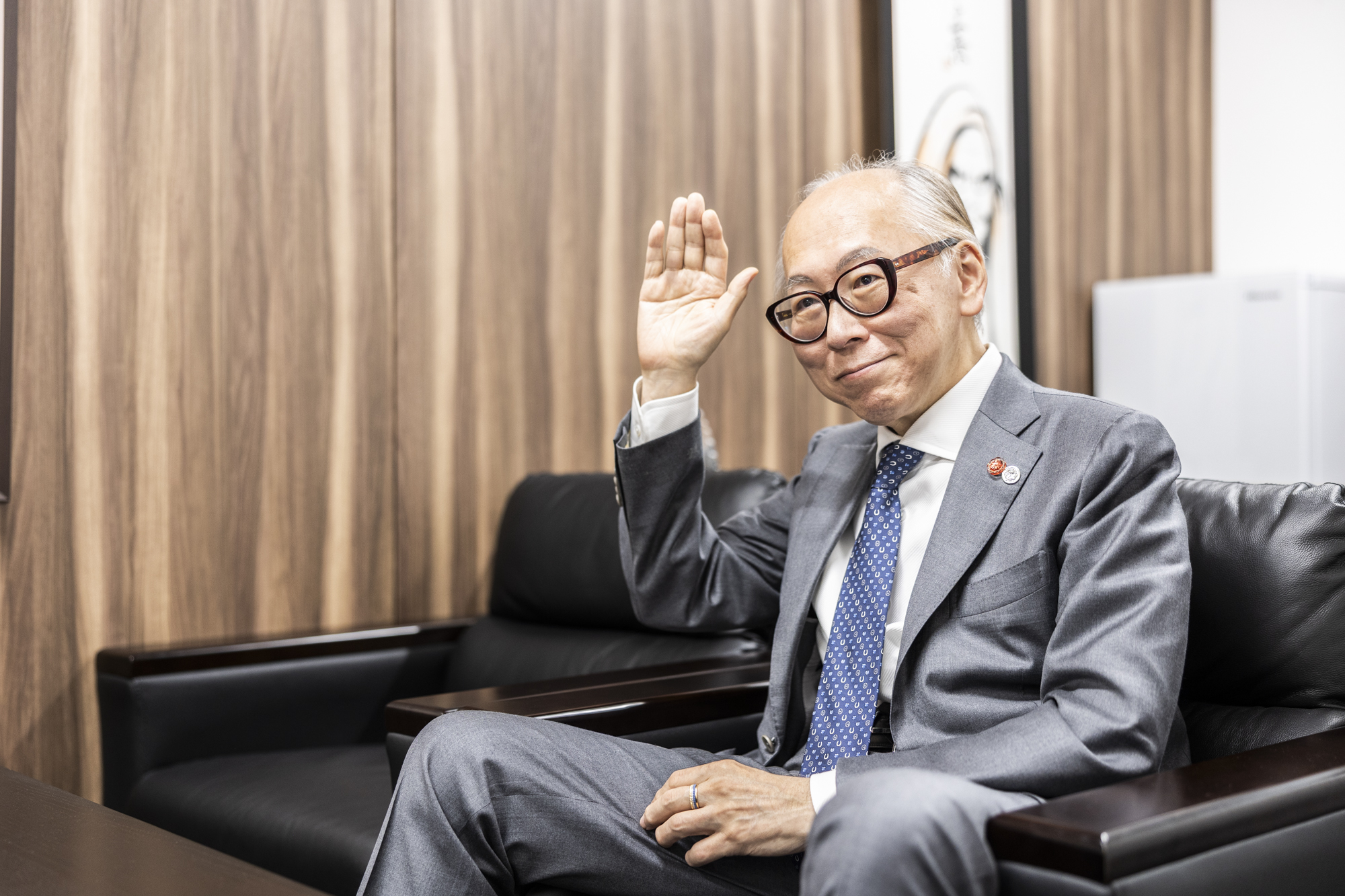
Since becoming involved in hospital management, there is one thing I have come to feel very strongly: in the end, what matters most in healthcare is a person’s character.
Knowledge and technical skill are essential prerequisites. But beyond that, what patients and their families truly observe is this: “What kind of person is this doctor?” “Can I entrust my life to this individual with peace of mind?” That is all. Excuses such as “We are busy” or “We are short-staffed” mean nothing to patients.
I once witnessed the cold treatment received by a close acquaintance suffering from terminal cancer while hospitalized, and the feeling of helplessness I experienced then has never left me.
That is why, when choosing hospital leaders, I place great importance on their humanity.
Do they possess dignity and integrity? Can they control their emotions and desires?
Ultimately, management is the work of understanding people.
Neither Hospital Revitalization Nor Organization Building Can Be Achieved Through Sweet Idealism
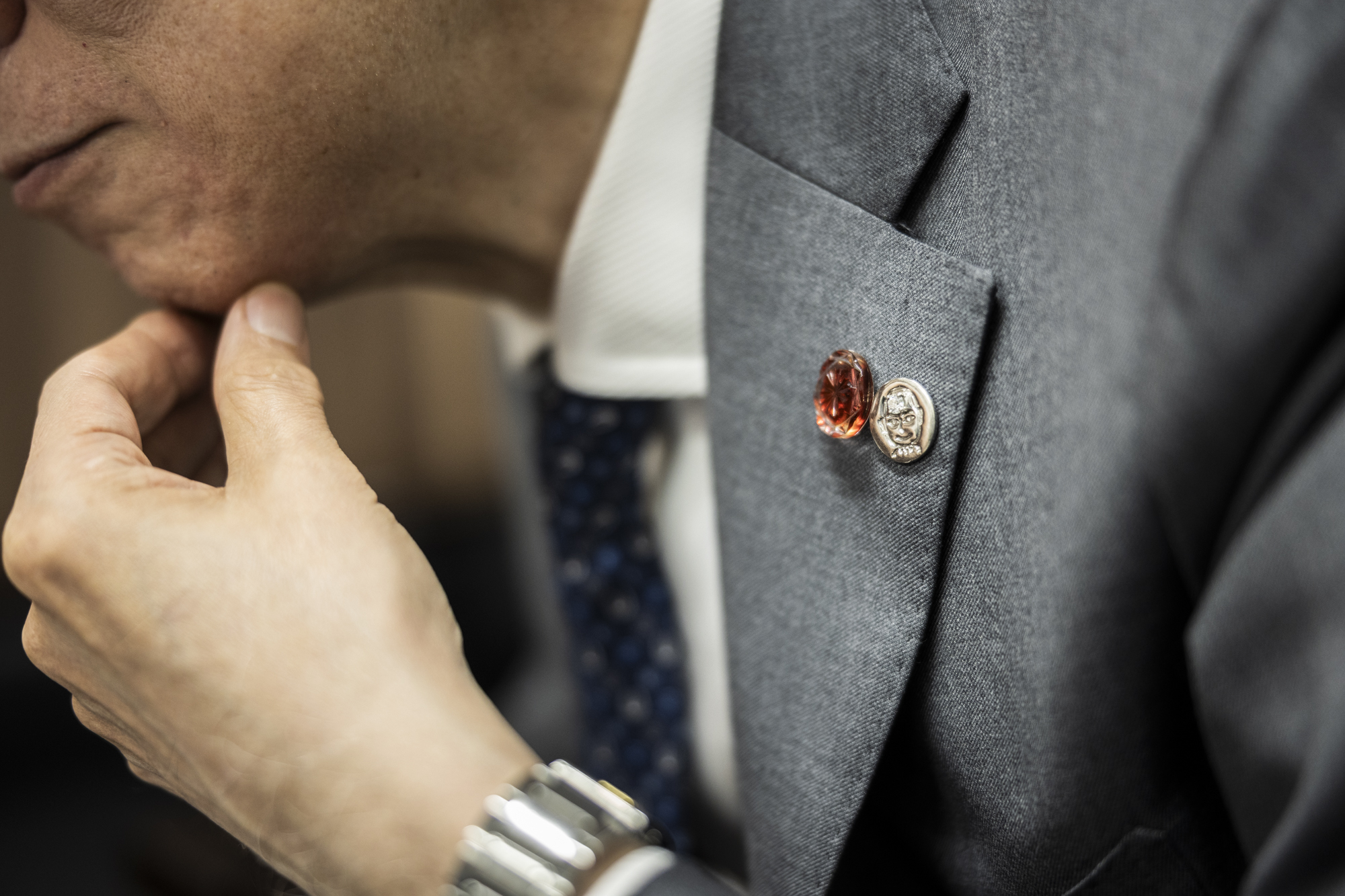
Over the years, I have been involved in the management of multiple hospitals, including Tokuyama Hospital and Inokuchinoma Hospital. From the outside, it may appear glamorous, but in reality, it is an endless series of humble, painstaking work.
Tokuyama Hospital, for example, was burdened with debt, and rebuilding it required tremendous resolve. Even so, I accepted the challenge because I felt, instinctively, “This hospital can change.”
The key to hospital revitalization is not simply cutting costs. It is clarifying “Why does this hospital exist?” and “What are the people who work here striving for?”
To heal illness, support patients through discharge, and help them regain their lives within the community.
Once the organization begins steering toward that direction, the morale of the staff changes, and so too does the evaluation from patients and their families.
Rather than prescribing excessive medication or relying on temporary, superficial responses, hospitals must provide proper treatment and support patients all the way through social reintegration. I believe that is what healthcare should truly be.
And above all else, the most important factor is “one key person.”
No matter how impressive the policies may sound or how much capital is invested, hospitals will never change without someone on the front line willing to see things through. Conversely, if there is even one person who makes you believe, “This individual can change the hospital,” or “This person can become the axis around which the organization moves,” then revitalization is absolutely possible.
That is why I begin by identifying that individual. It does not matter whether they are a physician, a nurse, or administrative staff. Titles are irrelevant. What matters is whether they refuse to run away, whether they possess the determination to see things through, whether they can unite people around them, and whether they are worthy of trust. I observe that essence carefully.
And once I decide, “This is the person,” I commit myself completely.
In other words, rebuilding a hospital is not about reconstructing buildings or adjusting numbers. It is about changing people’s awareness, transforming the atmosphere of the workplace, and ultimately changing the way patients are treated.
I am not investing in hospitals.
I am investing in people — and in the future that lies beyond them.
Independence Is Not About Winning — It Is About Not Losing

To me, “independence” does not mean becoming wildly successful as an entrepreneur or achieving extraordinary accomplishments beyond everyone else. It means living one’s life at one’s own pace, without being controlled by others. In other words, I believe “not losing” is more important than “winning.”
In the years ahead, employment opportunities will undoubtedly continue to shrink. For those without savings or powerful backing, the first thing they must do is simple: before speaking of ideals, create a situation in which they can survive.
Do not be overly selective. Do what you are capable of right now. Face reality directly, and set goals within it.
Goals that are too lofty only crush a person. Place your goal somewhere you genuinely believe you can reach, then build toward it step by step. Imagine as concretely as possible who you want to become three years, five years, or seven years from now. Then continue accumulating what you can do today in order to move toward that blueprint. That is how life begins to open up.
In the truest sense, the only person capable of supporting you is yourself.
That is why I have continued encouraging myself all the way to this point.
At My Core Is the Desire to Stand Beside People
When I reflect on everything I have done throughout my life, I feel I have been asking myself one question all along.
“What does it truly mean to stand beside another person?”
Standing beside someone does not simply mean speaking gentle words. Sometimes harsh decisions are necessary, and at times you must accept being disliked. Even so, what matters is whether, at the root of your actions, there is a genuine desire to serve that person or that community. Without that, both healthcare and management become hollow.
I have lived through illness and experienced physical limitations.
I have encountered genuine kindness, but I have also witnessed hypocrisy and deception.
That is why, at the very least, I want to remain sincere toward the patients, the staff, and every individual standing before me who has become part of my life.
Challenges for the Future
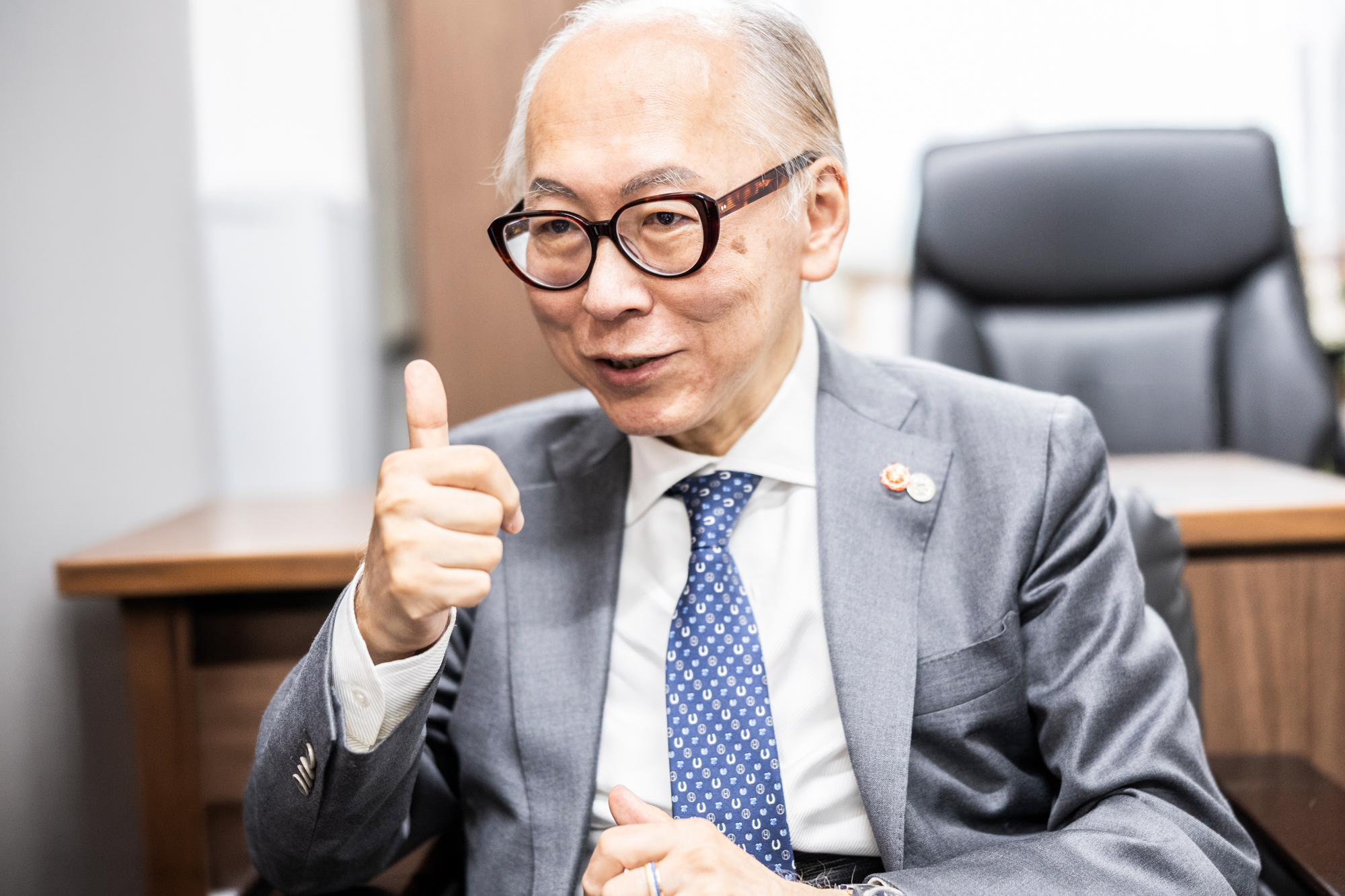
I have a great dream. One day, I want to create a medical system with 1,000 beds across western Japan. But scale itself is not the purpose. First 300 beds, then 500 — and eventually 1,000 as a natural extension of that growth.
What does it mean to provide healthcare truly needed by a community?
It means creating a place where patients feel safe.
A place where those who work there can feel genuine pride.
If that process ultimately leads to 1,000 beds, then it has meaning.
To expand high-quality healthcare in a sustainable way — that is our mission.
Through that accumulation of effort, organizations are built, and eventually regional healthcare itself begins to change.
That is what I believe.
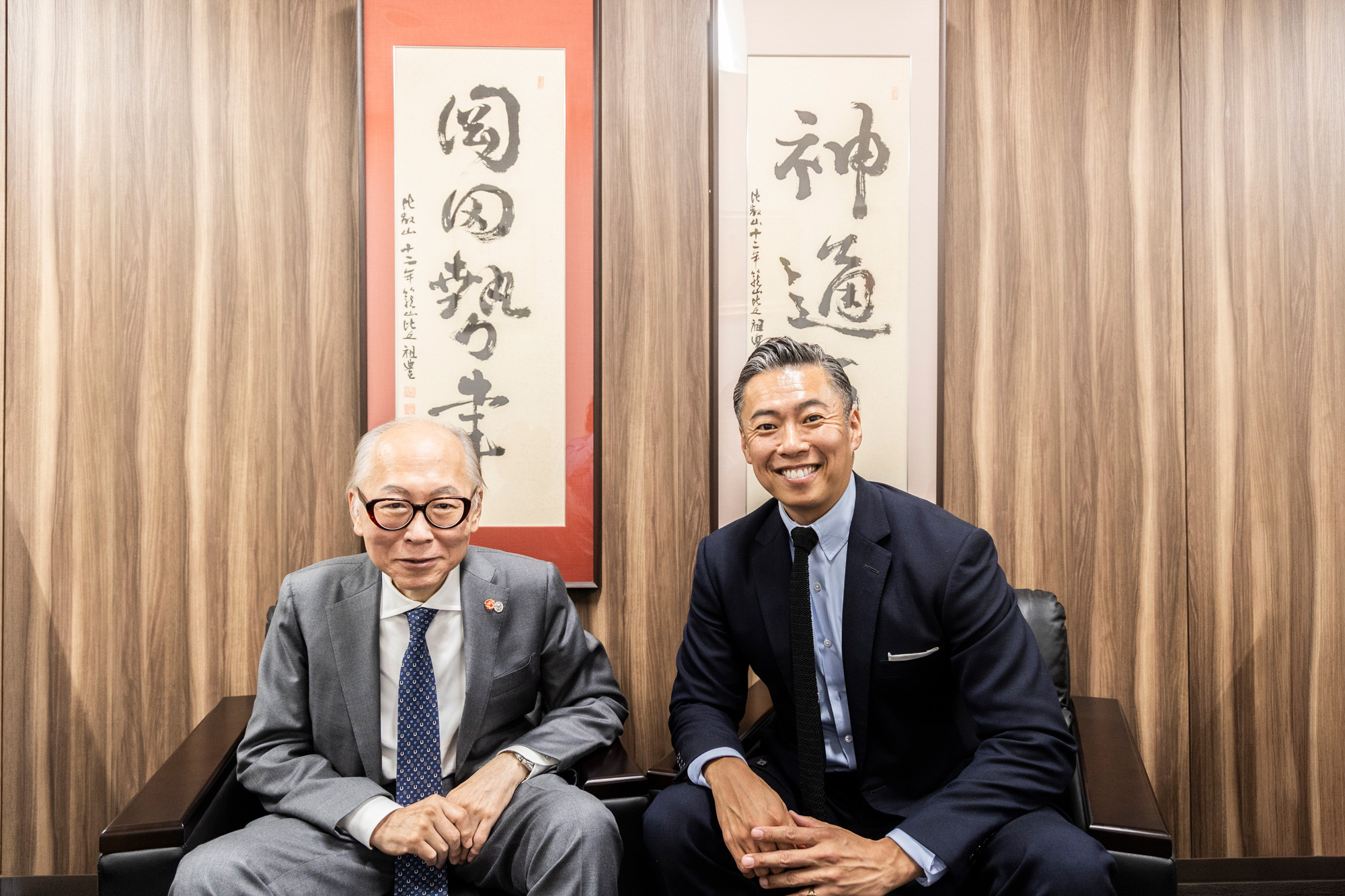
This conversation with Mr. Sugiyama gave me an opportunity to once again reflect deeply on how I approach my work. Through his unwavering passion and fearless determination to continue challenging himself, I was reminded of the resolve to stand beside people that I have always valued in the field of healthcare.
In both medicine and management, what is ultimately tested is who you are as a human being. Through our dialogue, I was reminded that it is the attitude of each individual standing on the front line that transforms organizations and creates the future. I also felt that Mr. Sugiyama’s words awakened within me a renewed sense that “there is still more I can do” and “things can always become better.”
This encounter became a tremendous source of inspiration for me, and a precious moment to reconnect with my own origins. I sincerely thank Mr. Sugiyama. I hope that we may continue learning from one another as we work toward building a better future together.
President & CEO, Okada Medical Investment — Seiichi Okada
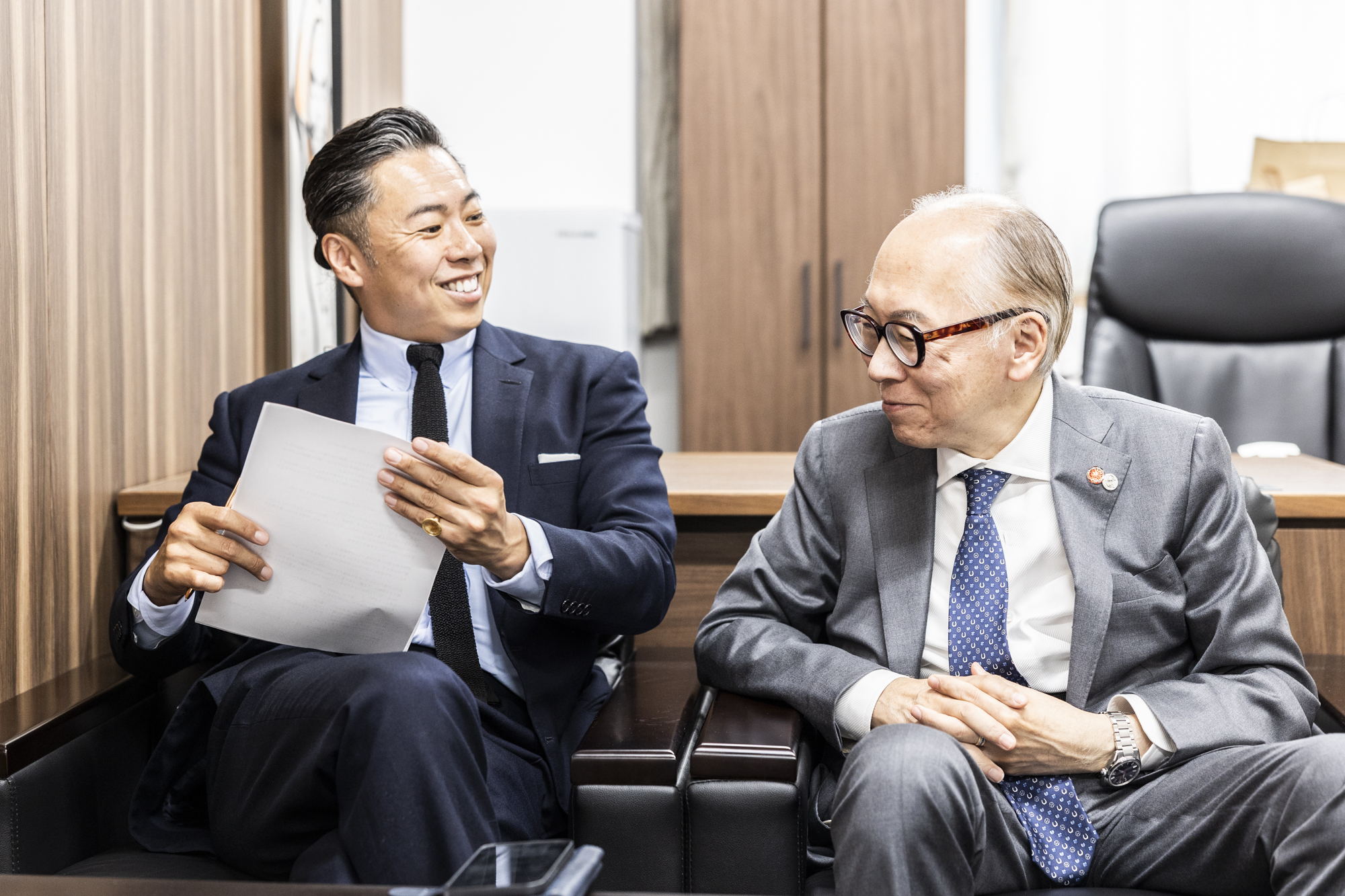
My conversation with Seiichi Okada became a moment to once again confront the fundamental question: “How should one live as a human being?”
Mr. Okada is currently living with Parkinson’s disease. Although his body no longer moves as freely as it once did, the sharp intensity in his eyes when we met left a powerful impression and revealed the strength within him. What struck me most throughout the interview was his determination to continue moving forward in both life and work despite such circumstances. In particular, I was deeply moved by the way he does not regard illness simply as misfortune, but instead accepts it as part of his life while continuing to ask himself, “How should I live?” and “How should I fight?”
His perspective on hospital revitalization and organization building was equally profound. While he believes in people, he also understands that management cannot survive on idealism alone. There was something distinctly characteristic of Mr. Okada in the way he faces reality directly while quietly observing the entire landscape from behind the scenes and identifying the path toward victory.
Because these are words spoken by someone who has continued standing on his own feet despite immense limitations and adversity, they resonate with extraordinary depth. I too have experienced adversity, and there was one understanding we shared during our conversation.
“Even if everyone else abandons you, never abandon yourself. In the end, the only person who can save you is yourself.”
Those words strongly overlap with my own journey. There are landscapes in life that can only be seen after reaching the very depths of adversity. I felt an unshakable sense of conviction in those words.
Through this conversation, I was once again given the opportunity to reflect upon what it truly means to live as a human being. I sincerely thank Mr. Okada for this encounter.
Editor-in-Chief, “My Philosophy” — DK Sugiyama
April 2026
Interview conducted at Seiseikai Inokuchinoma Hospital
Interview & Editing: DK Sugiyama
Project Manager: Chiho Ando
Text: Eri Shibata (Deputy Editor-in-Chief, “My Philosophy”)
Photography: Yuichi Umehara
Produced by the “My Philosophy®” Editorial Team
Milestone (2007~)
View all Interviews
-
Vol.130 Mihoko Yamasaki
Creator of a Walking Method for Better Posture and Gut Health
-
Vol.129 Anis Uzzaman
Founder and CEO, Pegasus Tech Ventures
Founder and Chairman, Startup World Cup -
Vol.128 Nicolai Bergmann
Flower Artist
-
Vol.127 Hideki Wada
Psychiatrist
-
Vol.126 Hiroki Ogawa
General Manager, UMITO Kamakura Koshigoe|Chef, Le RESTAURANT
-
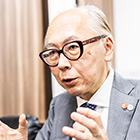
Vol.125 Seiichi Okada
Owner & Vice Chairman, Medical Corporation Seiseikai Inokuchinoma Hospital
President & CEO, Okada Medical Investment Co., Ltd. -
Vol.124 Masato Kato
President & CEO, Bechstein Japan Co., Ltd.
Klavierbaumeister -
Vol. 123 Akiko Yamamoto
Japan President, Van Cleef & Arpels, Richemont Japan
-
Vol.122 Akimi Fukuhara
Pianist
-
Vol.121 Sammy Miyamoto
Hairstylist & Entrepreneur / President, “momotaro salon”
-
Vol.120 Ryotaro Muramatsu
Artist / Founder of NAKED, INC. / Visiting Professor at Osaka University of Arts / Branding Director of Achi Village, Nagano
-
Vol.119 lecca
Singer-Songwriter
-
Vol.118 John Tanzella
President / CEO of the International LGBTQ+ Travel Association (IGLTA)
-
Vol.117 Marin Alsop
Conductor
-
Vol.116 Hajime Kinoko
Modern Artist, Kinbakushi (Rope Master), Rope Artist, Photographer
-
Vol.115 Shintaro Koizumi
Out Japan Co., Ltd Chairman
SK Travel Consulting Co., Ltd (Out Asia Travel) President
International LGBTQ+ Travel Association (IGLTA) Ambassador to Asia -
Vol.114 George Fujisawa
George Fujisawa, President of Fluid Power, Ltd.
-
Vol.113 Kazumi Arikawa
President, Albion Art Co., Ltd.
Founder, Albion Art Jewelry Institute
Chevalier of the Ordre des Arts et des Lettres (French Republic)
International Council Member, Metropolitan Museum of Art (New York) -
Vol.112 Leslie Kee
Photographer
-
Vol.111 Mitsuyuki Takada
President and CEO of Albalkan Corporation
-
Vol.110 Koji Sato
Head Chef of Yamagata Kappo Akasaka Ajisai
-

Vol.109 Krishna Ramachandra
Founder and Non-Executive Chairman of Digital Insights Ventures
-
Vol.108 Marc Einstein
Chief Analyst of ITR Corporation
-
Vol.107 Kentaro Sakai
President and CEO of Sakai Fish Farm Co., Ltd.
-
Vol.106 Ryuki Narita
President of Narita Koi Farm Co., Ltd.
-
No.105 Yoshihiro Tsumura
President and Group CEO, Aderans Co., Ltd.
-
Vol.104 Takatoshi Maruo
"Bali's Aniki (*Big Brother)"
-
Vol.103 Takashi Shimokawa
Principal of the preparatory school "Bulkan Juku" | President and CEO of Tass Group
-
Vol.102 Sayuri Yamaguchi
Ginza "CLUB GRÈS" Owner Mama
-
Vol.101 Koji Yamamoto
President and CEO of Global Partners Inc.
-
Vol.100 Tetsuo Gyotoku
Director of the Japan BE Research Institute
-
Vol.99 Kiyoshi Murano
Philosopher and Astronomer | Futurist
-
Vol.98 Hiroshi Yaegashi
Catalyst | Business Creator
-
Vol.97 Hiroyuki Sasaki
Chairman, Group Representative & CEO Pro Labo Holdings Co., Ltd.
-
Vol.96 Satoshi Yamaguchi
Chairperson of the Chitose Koyukai Social Welfare Corporation
-
Vol.95 Hideko Suzuki
Doctor of Literature | Critic
-
Vol.94 Kiyoshi Kurokawa
Doctor of Medicine | Honorary Professor at the National Graduate Institute for Policy Studies | Representative Director of the Health and Global Policy Institute
-
Vol.93 Hiroshi Senju
Japanese Painter | Professor at the Graduate School of Kyoto University of the Arts and Design
-
Vol.92 Takashi Yamane
Management Scholar | Certified Public Accountant | Professor at Waseda University Graduate School of Business and Finance (WBS) | Emeritus Professor at Keio University
-
Vol.91 Kazuo Noda
Honorary Chairman of the Japan Research Institute, a general incorporated foundation | Honorary Chairman of the Social Development Research Center, a general incorporated foundation | Honorary President of Tama University | Honorary President of The Graduate School of Project Design
-
Vol.90 Goichi Okada
Sales Office Manager, Prudential Life Insurance Co. | Senior Consulting Life Planner
-
Vol.89 Tatsumitsu Yamazaki
Honorary Chairman of the Japan Sailing Federation | Former Chairman of S&B Foods Inc.
-
Vol.88 Rick Blangiardi
Hawai‘i News Now Manager
-
Vol.87 Timothy Cottrell
Head of School, ‘Iolani School
-
Vol.86 John Gotanda
President of Hawai‘i Pacific University
-
Vol.85 George Ariyoshi
Former Governor of Hawaii
-
Vol.84 Taro Yoshida
President and CEO, Hawaii Hochi Ltd.
-
Vol.83 Naoki Kusano
President, HANAKEN | TOKYO TONKOTSU RA-MEN BANKARA Founder
-
Vol.82 Akira Kawashima
Doctor | Doctor of Medicine | Professor, Department of Acupuncture and Moxibustion, Faculty of Health Sciences, Tokyo Ariake University of Medical and Health Sciences
-
Vol.81 Reika Asai
President of Kirei Company, Inc.
-
Vol.80 Seiji Hayashi
President and CEO of Car Conveni Club Co., Ltd.
-
Vol.79 Shinichi Inoue
CEO of Peach Aviation Co., Ltd.
-
Vol.78 Katsuyoshi Fukuyama
President and CEO of Gardner Co., Inc.
-
Vol.77 Nahoko Ishikawa
Representative Director, Sixth Sense Labs, Inc.
-
Vol.76 Shin Yamagishi
Photographer
-
Vol.75 Mikio Kawai
Professional Surfer
-
Vol.74 Isao Aoki
Professional Golfer | Chairman, Japan Golf Tour Organization
-
Vol.73 Norihiko Sasaki
Executive Director, Editor-in-Chief of NewsPicks | Editor | Journalist
-
Vol.72 Yazaki Yasuhisa
Freelance Journalist | Editor
-
Vol. 71 Michael Anthony
Executive Chef, Gramercy Tavern
-
Vol.70 Kenji Takenaka
Flower Designer
-
Vol.69 Daniel T. Ebihara
Head of the New York Kendo Dojo, Entrepreneur, and Product Designer
-
Vol.68 Kyoko Gasha
Journalist | Film Director
-
Vol.67 Casey Taniguchi
President of Yomitime
-
Vol.66 Misao Ito
Writer | Art Producer
-
Vol.65 Narimasa Nakaoka
President and Representative Director, Suzukake Co., Ltd.
-
Vol.64 Takashi Sano
Chocolate Shop Owner-Chef
-
Vol.63 Toshiaki Kurosaka
Chairman of Porsche Japan K.K.
-
Vol.62 Taro Saito
Communication Designer. President and CEO of dof Inc., Co-CEO of CC Inc., Outside Director of VOYAGE GROUP Inc., Outside Director of Oceanize Inc., and Global Strategy Committee Member of the NPO TABLE FOR TWO.
-
Vol.61 Hideyuki Murakami
President and CEO of Iwataya Mitsukoshi Ltd. | Executive Vice President of Isetan Mitsukoshi Holdings Ltd.
-
Vol.60 Yoshiyuki Okuno
Owner-Chef of Ristorante La Brinca
-
vol.59 Rika Yukimasa
Culinary Researcher | CEO, REKIDS Co., Ltd.
-
Vol.58 Kazuko Tōdō
Manager and Proprietor of "Royal Box" and "Lindbergh" | Editor-in-Chief of 'LB Nakasu Newsletter
-
Vol.57 Takaharu Futaeda
CEO, Anny Group KFT
-

Vol.56 Kengo Kuma
Architect
-
Vol.55 August Hergesheimer
President and CEO of Abios Corporation | Ph.D. in Nutritional Science
-
Vol.54 Tomio Taki
Honorary Advisor, Takihyo Co., Ltd.
School Board Chairman, Taki Academy, Inc.
Board Member, Mikimoto (America) Inc. -
Vol.53 Tadashi Okura
President and CEO of Torikizoku Co., Ltd.
-
Vol.52 Hiroshi Sugimoto
Japanese Painter | Specially Appointed Professor at Yokohama University of Art and Design
-

Vol.51 Aureana Tseu
Hula Artist
-
Vol.50 Don Konishi
Fashion Designer | Visiting Professor, Nagoya University of Arts and Sciences
-
Vol.49 Sachio Senmoto
Chairman of the Board, Renova, Inc.
-
Vol.48 Naoyoshi Amari
Head Priest of Ichigyosan Senshuji Temple | Principal of Senshu Kindergarten
-
Vol.47 Takashi Maeno
Dean and Professor of the Graduate School of System Design and Management at Keio University.
-
Vol.46 Tomizo Yamaguchi
Third-Generation Head of Kyoto Confectionery "Suetomi"
-
Vol.45 Toshiharu Kokubun
Representative Director of Earth Holdings Co., Ltd.
-
Vol.44 Keita Obara
Professional boxer
-
Vol.43 Yuko Kibayashi Shin Kibayashi
Non-fiction writer and manga creator
-
Vol.42 “My Philosophy” Junki Yoshida
Chairman and CEO, Yoshida Group & Founder, Yoshida Sauce
-
Vol.41 Seisei Hanayama
Artist
-

Vol.40 Yoshiharu Sekino
Explorer | Anthropologist | Professor at Musashino Art University
-
Vol.39 Masaki Yokokawa
Representative of WELCOME Group
-
Vol.38 Tamami Sunoda
President and CEO of NOZZE (Marriage Information Center)| President, CEO, and Owner-Designer of Fashion Brand "JuviJuvi"
-
Vol.37 Shuichi Tsuji
Sports Doctor | CEO of Eminecross Co., Ltd.
-
Vol.36 Yuichiro Miura
Professional Skier | Principal of Clark Memorial International High School
-
Vol.35 Nobufumi Matsunaga
Educational Environment Setting Consultant | Founder of V-net Educational Consultation Office
-
Vol.34 Tetsu Mizutani
Suntory Beer Limited - President, Chief Executive Officer
-

Vol.33 Yukino Kikuma
Lawyer
-

Vol.32 Keiko Kouda
CEO of AsMama Co., Ltd.
-

Vol.31 Takami Hasebe
White Ship Inc. CEO | Art Producer
-

Vol.30 Aya Kinoshita
Representative Director of UHM Co., Ltd. | General Manager of Hotel Niwa Tokyo
-

Vol.29 Clara Komazaki
KoLabo Co., Ltd. Representative Director and President
-

Vol.28 Nobuko Tsutsumi
Lecturer at Showa Women's University, Aoyama Gakuin Women's Junior College, and Hosei University | Freelance Announcer | Essayist
-

Vol.27 Yu Kaida
Portrait photographer
-

Vol.26 Manabu Miyasaka
President and CEO, Yahoo Japan Corporation
-

Vol.25 Shuichiro Kimura
Representative Director of Boulangerie Eric Kayser Japon Inc.
-

Vol.24 Yohei Sadoshima
President and CEO of Cork, Inc.
-

Vol.23 Toshiaki Kanda
Representative of Kanda News Network | IT Journalist, Social Media Consultant
-

Vol.22 Emmy Suzuki Harris
Japanese Representative of Change.org
-

Vol.21 Masakazu Yanagisawa
Director of Global Prime Finance Sales at Deutsche Securities Inc. | Board Member of NPO good aging yells
-

Vol.20 Fumio Tateishi
Chairman of the Board of Directors, OMRON Corporation
-

Vol.19 Nobuyuki Idei
Founder & CEO, Representative Director of Quantum Leap Corporation
-

Vol.18 Rowland Kirishima
Photographer | Multi-Creator
-

Vol.17 Junko Masachika
Founder of Personal Styling | President and CEO of Fashion Rescue Ltd. | Dean of Personal Stylist Japan | Chairman of the Professional Personal Stylist Association
-

Vol.16 Kumiko Otsuka
President and Representative Director of Otsuka Kagu, Ltd.
-
Vol.15 Tsugihiko Fujiwara
President and CEO of AOI Pro. Inc.
-
Vol.14 Hideaki Inoue
President and CEO, Park Corporation
-
Vol.13 Edward Suzuki
Architect | Representative of Edward Suzuki Associates Inc.
-
Vol.12 Hiroshi Kato
Economist
-
Vol.11 Seiichi Shimada
Special Advisor at Nihon Unisys Ltd. | Former Chairman of the Japan Housing Finance Agency | Former Vice President of Mitsui & Co., Ltd. | Former President of Nihon Unisys Ltd.
-
Vol.10 Kanae Doi
Japan Representative, International NGO "Human Rights Watch" | Lawyer
-
Vol.9 Hitomi Kumasaka
Social Media Consultant | President and CEO of Social Media Research Institute Co., Ltd.
-
Vol.8 Yuriko Takahashi
CEO of E.OCT Inc.
-
Vol.7 Kazuhiro Hasegawa
Representative of the Corporate Power Institute | Senior Researcher at the Inter Professional Education Research Center, Chiba University of Commerce (CUC)
-
Vol.6 Kage
President and Representative Director of Caricature Japan, Ltd., and Representative Artist | Asian Ambassador for the National Caricaturist Network (NCN)
-
Vol.5 Fumi Sasada
President and CEO of BRAVIS International, Inc. | Chairman of the Japan Package Design Association
-
Vol.4 Kota Matsuda
Chairman of Tully's Coffee International | President of Quiznos Asia Pacific
-
Vol.3 Shigeru Uchida
Interior Designer
-
Vol.2 Naoyuki Agawa
Dean of the Faculty of Policy Management at Keio University.
-
Vol.1 Hitoshi Suga
Venture Capitalist