



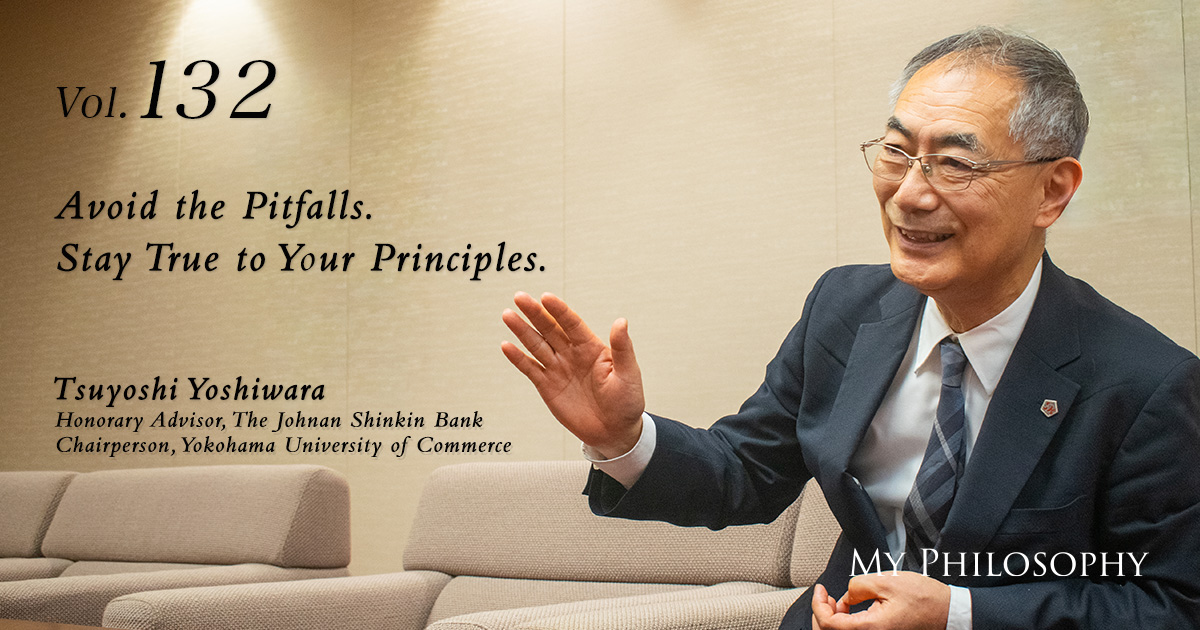
In the aftermath of the Great East Japan Earthquake, Johnan Shinkin Bank, a leader in Japan’s cooperative banking sector, drew national attention with a message almost unheard of from a financial institution: Japan should build a society that does not depend on nuclear power.
The man who led that reform was Tsuyoshi Yoshiwara, now the bank’s honorary advisor. After being rejected by every employer he applied to, he joined Johnan and found himself in a workplace where, as he puts it, “99 percent of the work was unreasonable.” Yet he went on to develop groundbreaking products and services, including Japan’s first prize-linked time deposit, and became a director at just 37. Under a highly autocratic leader, he learned to navigate organizational pitfalls while changing the institution from within. He is, in every sense, a maverick in the world of finance.
Now also chair of the board at Yokohama University of Commerce, Yoshiwara is turning his attention to the next generation. We spoke with him about what setbacks taught him, how to move forward in unreasonable situations, and the challenges he wants to take on next.
Profile
Vol.132 Tsuyoshi Yoshiwara
Honorary Advisor, Johnan Shinkin Bank
Chair of the Board, Yokohama University of Commerce
Born in Ota, Tokyo, in 1955, Tsuyoshi Yoshiwara attended Azabu Junior and Senior High School before graduating from Keio University’s Faculty of Economics in 1977, where he studied under Professor Hiroshi Kato. He joined Johnan Shinkin Bank that same year. After serving as head of planning, managing director, senior managing director, and deputy president, he became president in 2010. Following the Great East Japan Earthquake, he championed a safe society free from dependence on nuclear power, taking an unusual stance within Japan’s financial sector. He has been the bank’s honorary advisor since 2020.
His other roles have included chair of the board of Azabu Educational Foundation and chair of the Federation for Zero Nuclear Power and Renewable Energy. In January 2025, he became chair of the board at Yokohama University of Commerce. His books include The Power of Shinkin Banks (Iwanami Booklet) and Japan’s Economy Can Be Revitalized Without Nuclear Power (KADOKAWA).
“Does that make people happy?”Lessons from my mentor, Professor Hiroshi Kato
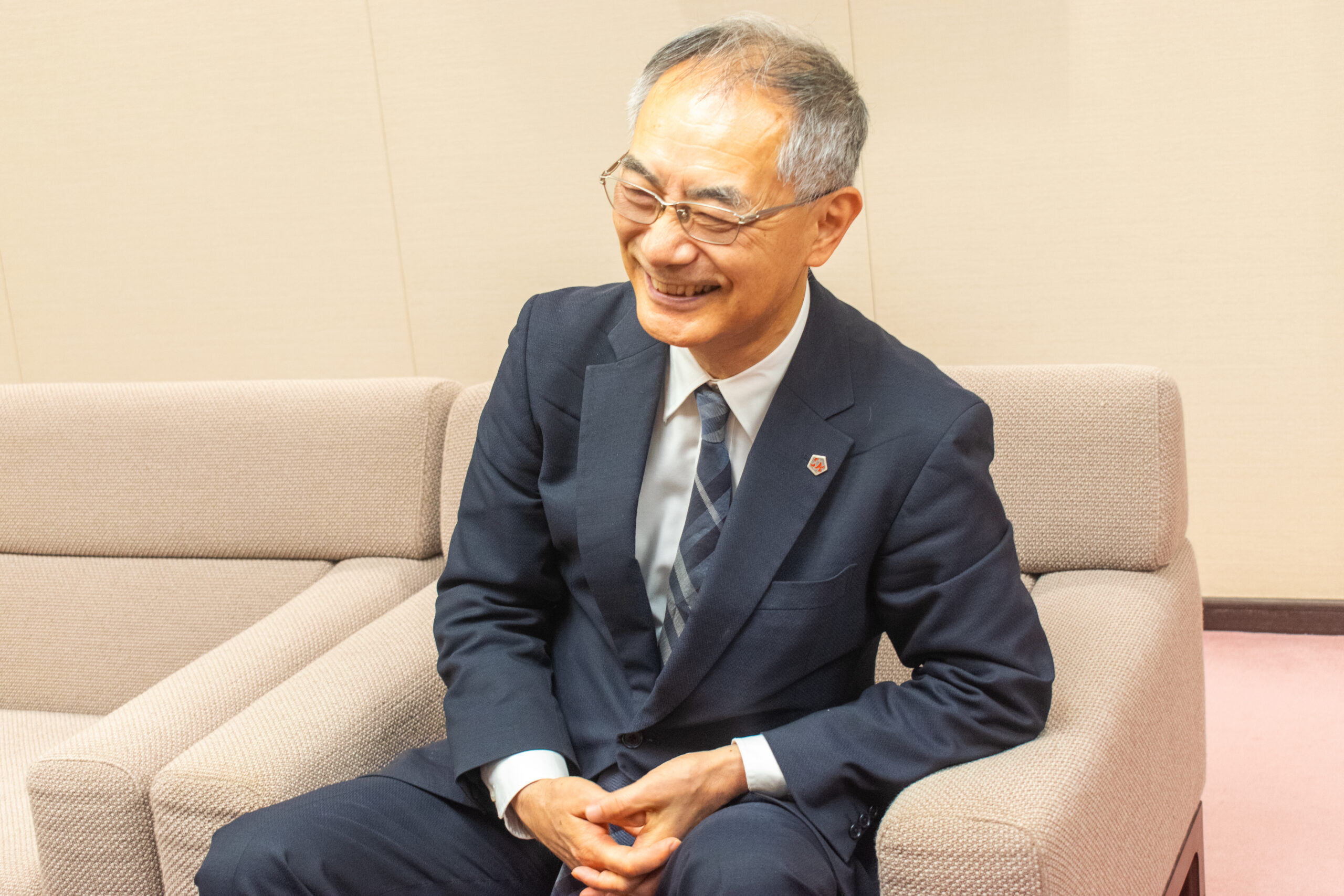
I feel fortunate to have had wonderful mentors throughout my life.
Knowledge, wisdom, values: all of them are things we learn from other people.
That is something I learned from Professor Hiroshi Kato, who led my university seminar.
Economics classes at the time were dry affairs, filled with equations.
The premise was that everyone acts to maximize their own benefit. Make that assumption, do the calculations, and the economy will find its equilibrium.
I understood the logic.
But so what? Would that make people happy?
Surely human beings were more complicated than that. Something about it never sat right with me.
Then I discovered Professor Kato’s lectures. It was just after the oil crisis, and people across Japan were anxious and uncertain about what lay ahead.
Yet he spoke with absolute conviction: “Japan will be all right. There is still enough energy. Japan will continue to develop. We are entering an era of profound change.” He spoke passionately about how different policies could shape Japan’s future, and what kind of country Japan should become.
“This is what I wanted to learn!”
I barely attended my other classes, but I never missed one of Professor Kato’s.
What should Japan aspire to be? He taught us through his own example.
Learning has no meaning without a sense of purpose: what are we learning for? That sense of purpose grows out of the life we have lived. The teachers who supported us. A friend’s words. The way our grandparents lived. The example our father set.
I call that our “history.”
Every one of us carries a history within us.
We look back on that history as we consider what comes next.
That is a lesson I have carried with me.
Rejected by every employer:
A naive graduate’s first setback
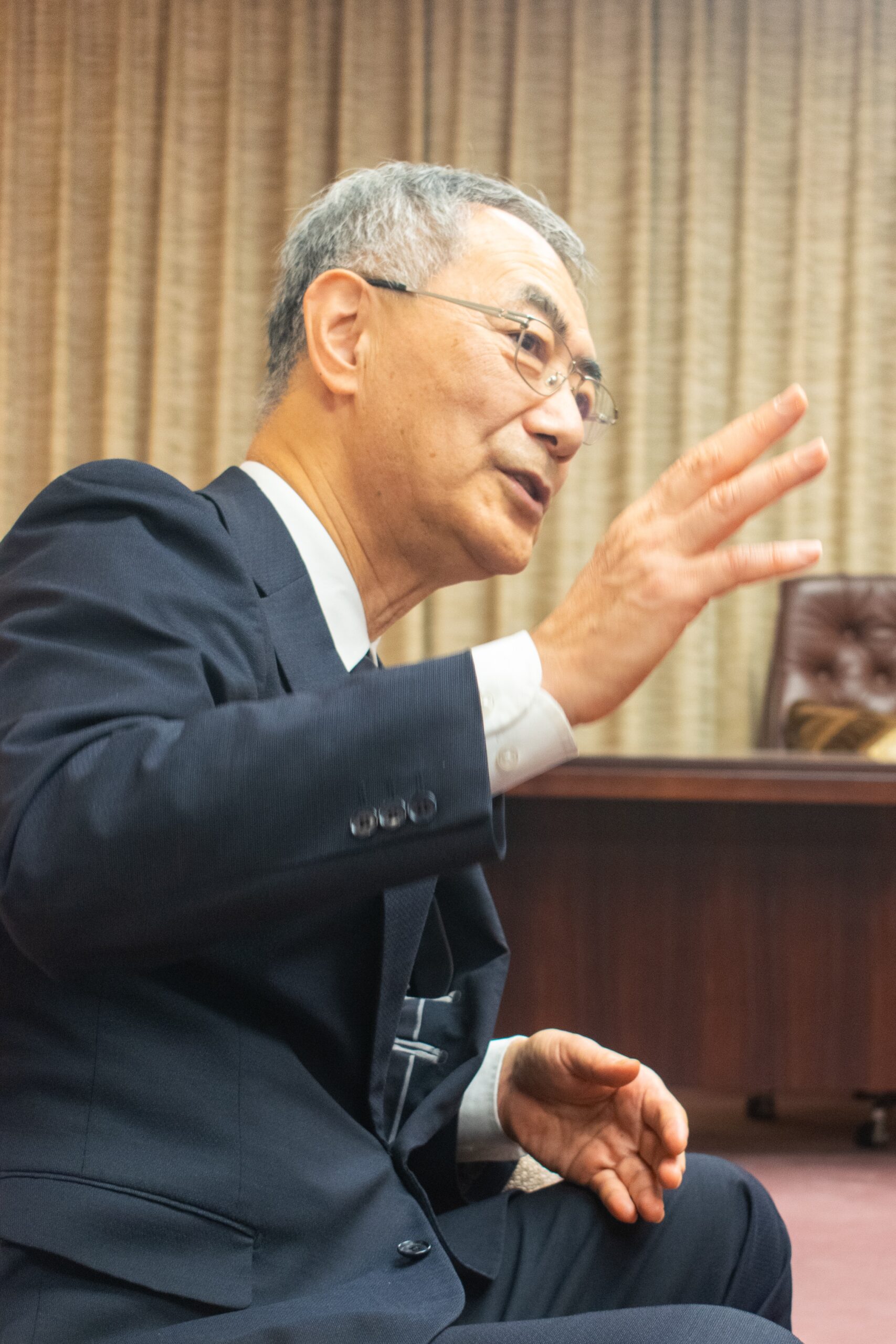
Of course, what I had learned did not automatically translate into success in the wider world. My job search brought that home to me painfully. I applied mainly to banks and government offices. The result? Not a single offer.
At one executive interview, I was asked what books I read. I launched into an impassioned discussion of Osamu Dazai’s No Longer Human. I made no attempt to polish my image. I laid everything out, good and bad, with the attitude: “Here I am. Judge for yourselves.” I assumed that people at leading companies would understand what I was trying to say.
But they did not understand it at all. Looking back, I really knew very little about the world.
Part of me thought, “These people just don’t get it.” Still, it was a shock. Before my parents could say anything, I was already feeling defeated.
My uncle, then a branch manager at Johnan Shinkin Bank, a member-owned community financial institution, saw how I was struggling and reached out. “Johnan is going to keep getting better,” he told me. “Your job will be to help reform it for the people of this community.” My grandfather had actually been a managing director at Johnan. He was killed in a robbery when I was a child. Ordinarily, you might not choose to work at your grandfather’s workplace with that memory hanging over it. Yet that was where I ended up. Perhaps some connections are simply meant to be.
Once I joined, I quickly realized that having a university degree meant nothing when it came to doing the job. My first assignment was in deposits. I could not even count banknotes properly or calculate reliably on an abacus. If I wrote carelessly on a transaction slip, a female colleague who was younger than me but had joined straight out of high school would give me a sharp reprimand: “What do you think you’re doing?” I thought, “Surely it’s fine as long as you can read it.” Her reply was firm: “That is not the standard I want for my work.” I had to admire her professionalism.
A business card, a badge,
and ¥10,000 entrusted to a strangerThe trust my predecessors had built in the community
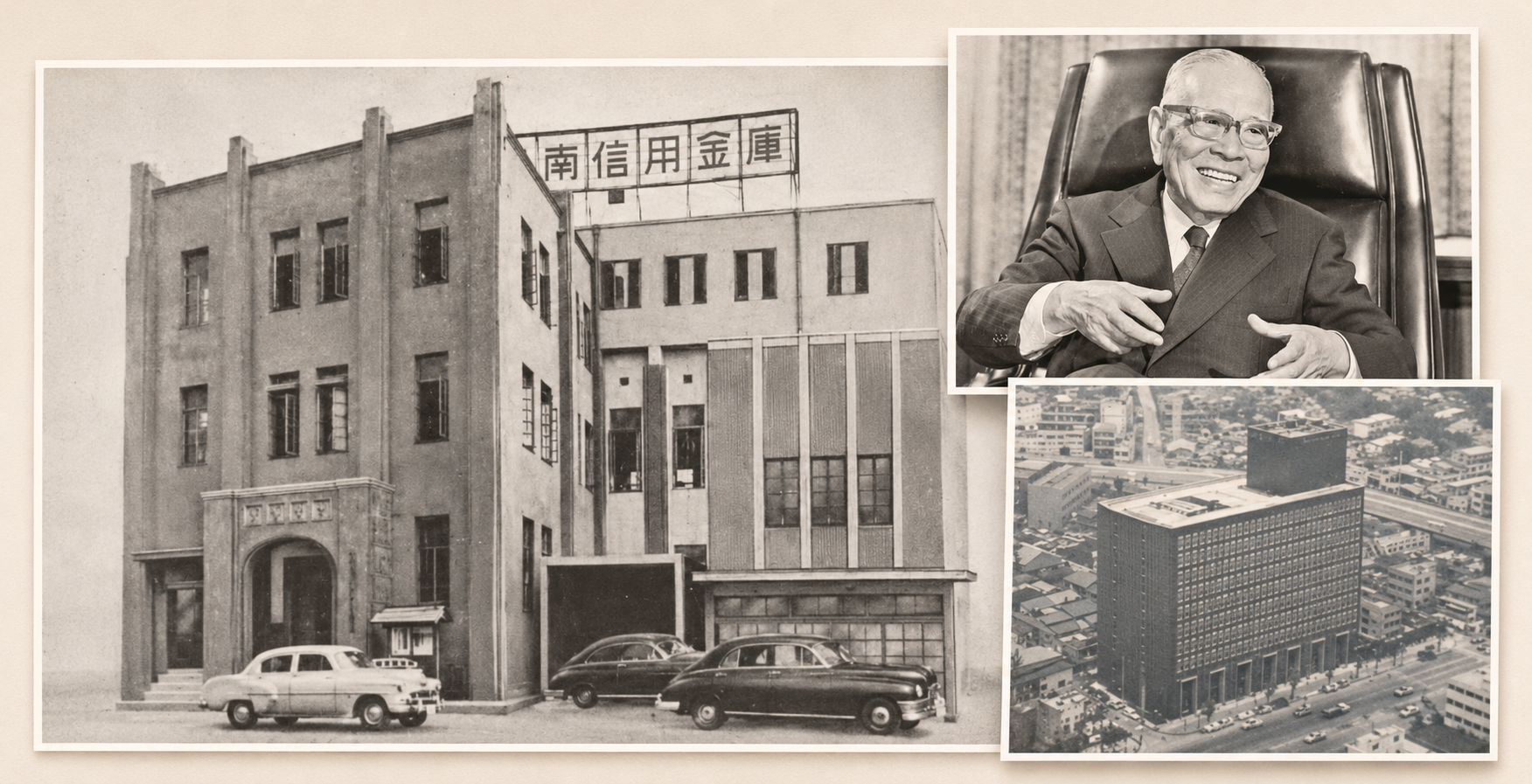
Working in sales opened my eyes to how many different worlds people inhabit. Having spent my years at an academically demanding school focused almost entirely on studying, I realized just how narrow my own world had been.
Not long after I joined, I was told to visit an apartment building and look for new customers.
I rang a doorbell, and a woman who worked in nightlife answered in light clothing. Rather flustered, I said, “I’m here to ask whether you would like to start a regular savings plan.”
“How much does it start at?”
“Five thousand yen.”
“All right, then. Make it ten thousand.”
And with that, she handed me the money and a completed application form.
All I had was a Johnan Shinkin Bank business card and a badge. On that basis alone, she entrusted her money to a young man she had never met. I was astonished that a single badge could inspire such confidence. That trust had been built by my predecessors, over many years of work in the community.
“Lending can be an act of kindness.
So can refusing to lend.”Lessons from Chairman Tetsugoro Obara
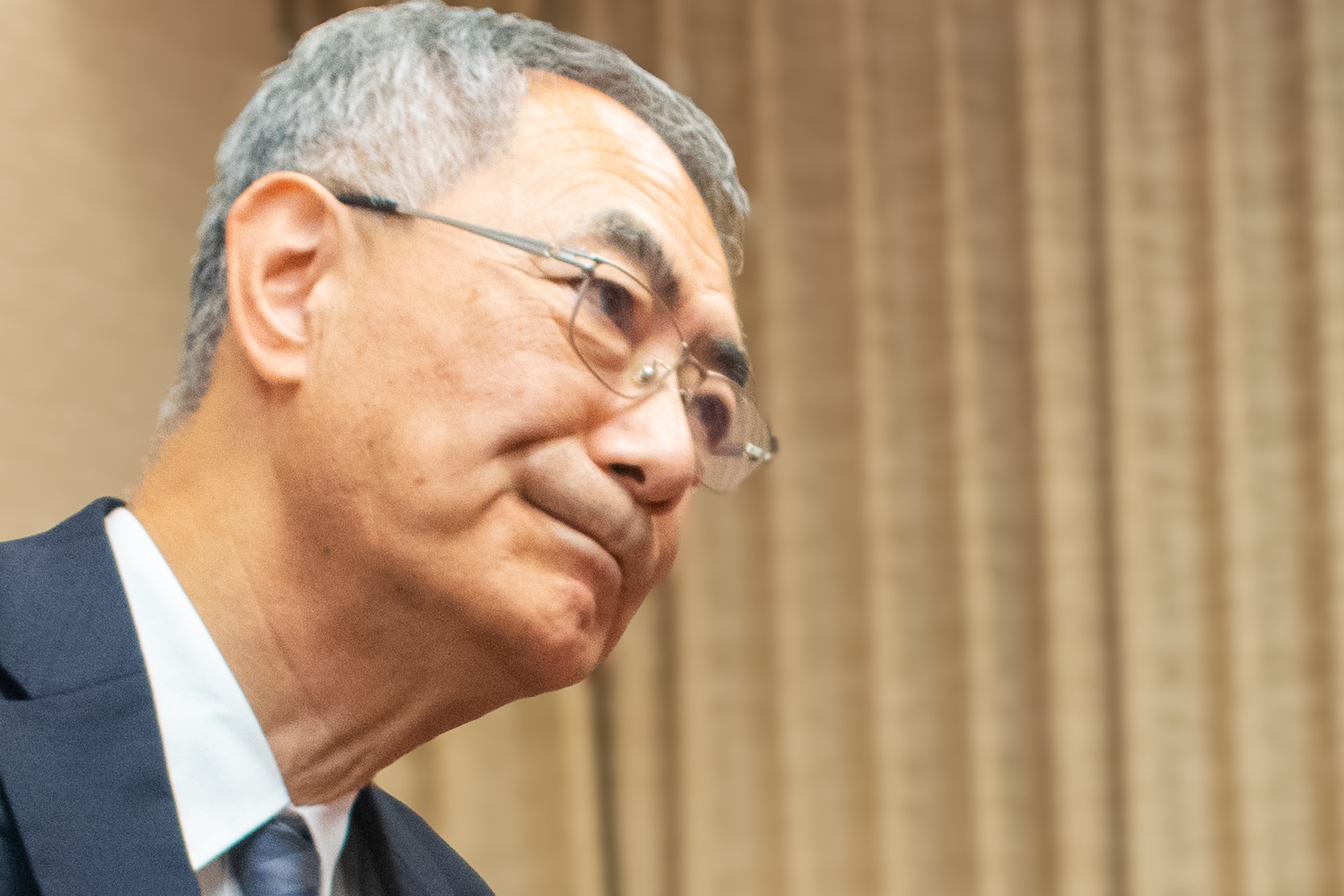
Another of my mentors was Tetsugoro Obara, chairman of Johnan Shinkin Bank. After moving to the planning department at head office, I began working in support of him.
“Lending can be an act of kindness. So can refusing to lend.”
I learned the weight of those words, which Chairman Obara held dear, through experience. During Japan’s asset bubble, some borrowers used money we had lent them for working capital to build vacation homes in Karuizawa. Others bought racehorses with loans intended to renovate their shops. However educated or intelligent people may be, they are vulnerable to money. Money can make people lose their judgment. I came to believe deeply that we must not lend money if it will not truly help the borrower.
Japan’s Financial Services Agency often told us that shinkin banks, Japan’s cooperative community financial institutions, were inefficient. We listened to each customer individually and took time over each case. A megabank might say, “We cannot get involved in that level of detail.” But financial efficiency is not simply about widening interest margins and cutting expenses. True efficiency means getting the right funds to the people who need them. To do that, you must understand who they are and what they are trying to achieve. That is why we put down roots in the community and build relationships in which people feel comfortable talking to us. In fact, this is a far more efficient form of finance.
Chairman Obara said what needed to be said, even when he was addressing the government. He spoke frankly to successive prime ministers, without hesitation. He took pride in the belief that shinkin banks genuinely cared about the country. There is a fighting spirit in these institutions: we are not going to be outdone by the commercial banks.
When 99 percent of the job makes no sense:
Navigating the “landmines”
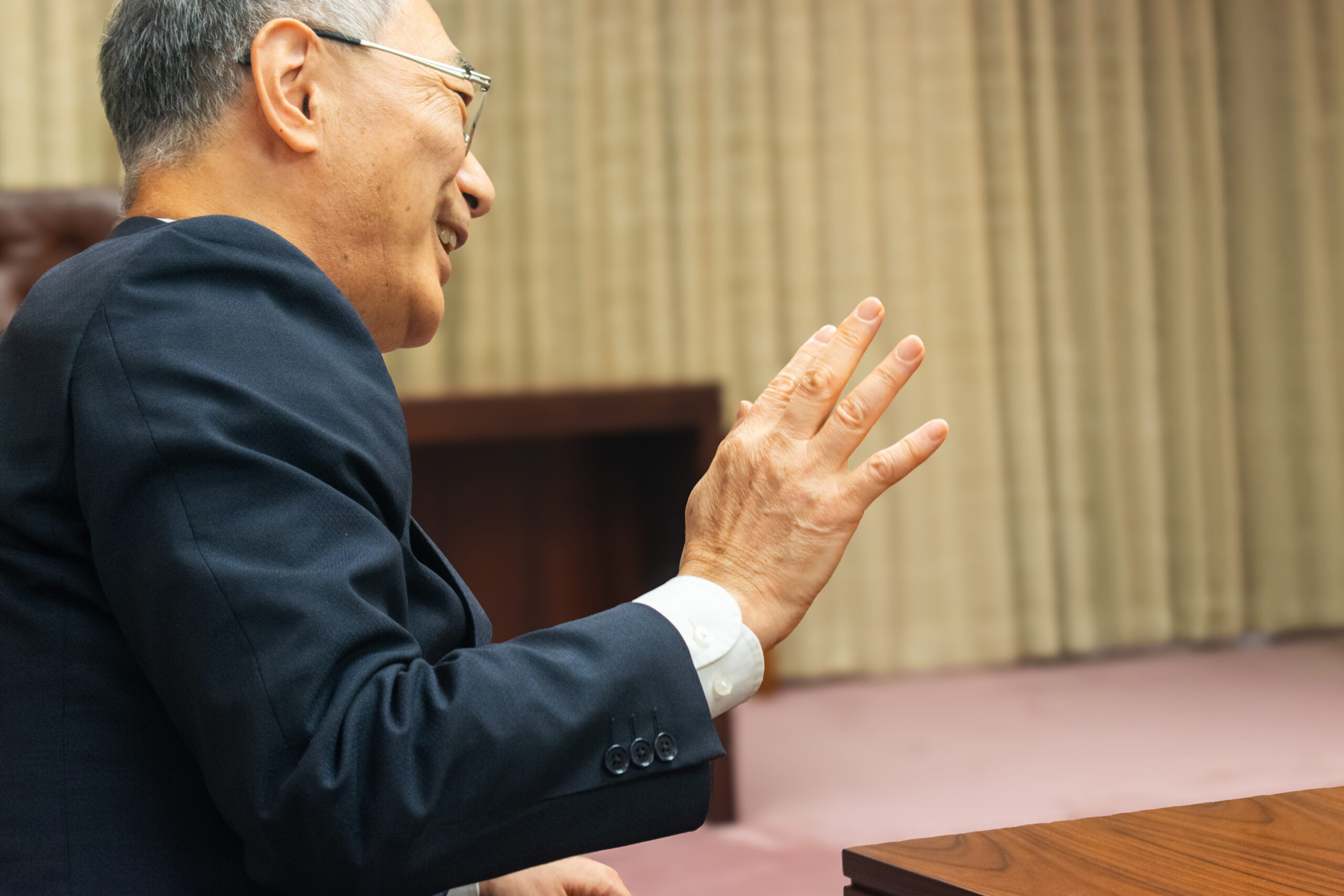
To be honest, 99 percent of my work after moving to head office seemed unreasonable. Drafting greetings, choosing gifts, learning how to make coffee. Hardly what you imagine a job at a financial institution to involve. It might seem pointless at first. But every task teaches you something that you can only learn by doing it.
That is why, even after becoming president, I asked professional cleaners to teach me from scratch how to clean toilets, something I had never done before. All of it is valuable learning.
Some people buckle under unreasonable demands. Others find a way through.
What makes the difference? For me, it was believing that I was right. If you have that conviction, it does not matter if 99 percent of what you face is unreasonable. And looking back, I really was right about 90 percent of the time. [Laughs.]
After Chairman Obara passed away, the leader who took charge ran the organization with an iron grip. As one of his few close aides, I was entrusted with planning new products and businesses. But I was not a yes-man who simply followed every instruction. I learned how to get him to understand things I could not agree with. I developed my own approach to winning approval, built around three principles.
1. Do even the seemingly trivial tasks properly.
The boss would make one small request after another. Even with a gift, I would open it and check whether it lived up to its reputation. I peeled grapes before serving them. I even investigated which flight to use to bring in grapefruit. I did each task without cutting corners. By consistently doing ordinary things exceptionally well, you earn the trust that says, “This person will get it right.” Because that trust is there, when something truly matters, the person will listen to the proposal you want to get through.
2. Identify the “landmines” and steer clear of them.
Everyone has different triggers. There are conversational landmines that, once stepped on, can derail everything. What is this person trying to achieve? How do they think? What decisions have they made in the past? When you work closely with someone, you begin to see where those landmines lie. Once you know where they are, you can avoid them. You start to see a route: “That approach will set them off, but this one could work.”
Once, several colleagues stepped on one of the boss’s landmines and were berated for three hours. I stepped in: “That is a sensitive spot. Let me handle it.” I rewrote the proposal to avoid the trigger and got it approved. Both my staff and the executives were grateful, so I built goodwill in both directions. My workload doubled as a result, though. [Laughs.]
People who cannot see the landmines become too frightened to act. They watch someone else get blown up and conclude that doing nothing is the safer bet. It is a culture that punishes mistakes rather than rewards initiative. Everyone has something they do not want to lose, and people are taught that standing out will cost them. But if you are afraid of being marked down, you cannot do anything. Organizations like that only become more rigid. It is better to identify the landmines, work around them, and find a viable path forward.
3. Let the other person keep their dignity.
Do not put yourself front and center. If you open with “This is what I think” and force your opinion on someone, even a perfectly workable idea may be rejected. Start by acknowledging their position: “I understand. You’re right.” Then work out what they truly want and guide the conversation toward your objective in a way that aligns with their intentions. A leader will not always spell out what they really want to do. You have to read the outcome they are looking for.
At one point, our technology-averse boss repeatedly rejected a proposal to introduce a banknote-sorting machine. Once someone has opposed something, reversing that position is difficult. So I decided to present the same machine as a new product: a “coin-and-banknote sorter” that could also handle coins. This time, it was approved without difficulty. You achieve your objective without making the other person lose face. That is what I mean by respecting their dignity.
Fear is contagious. So is courage.
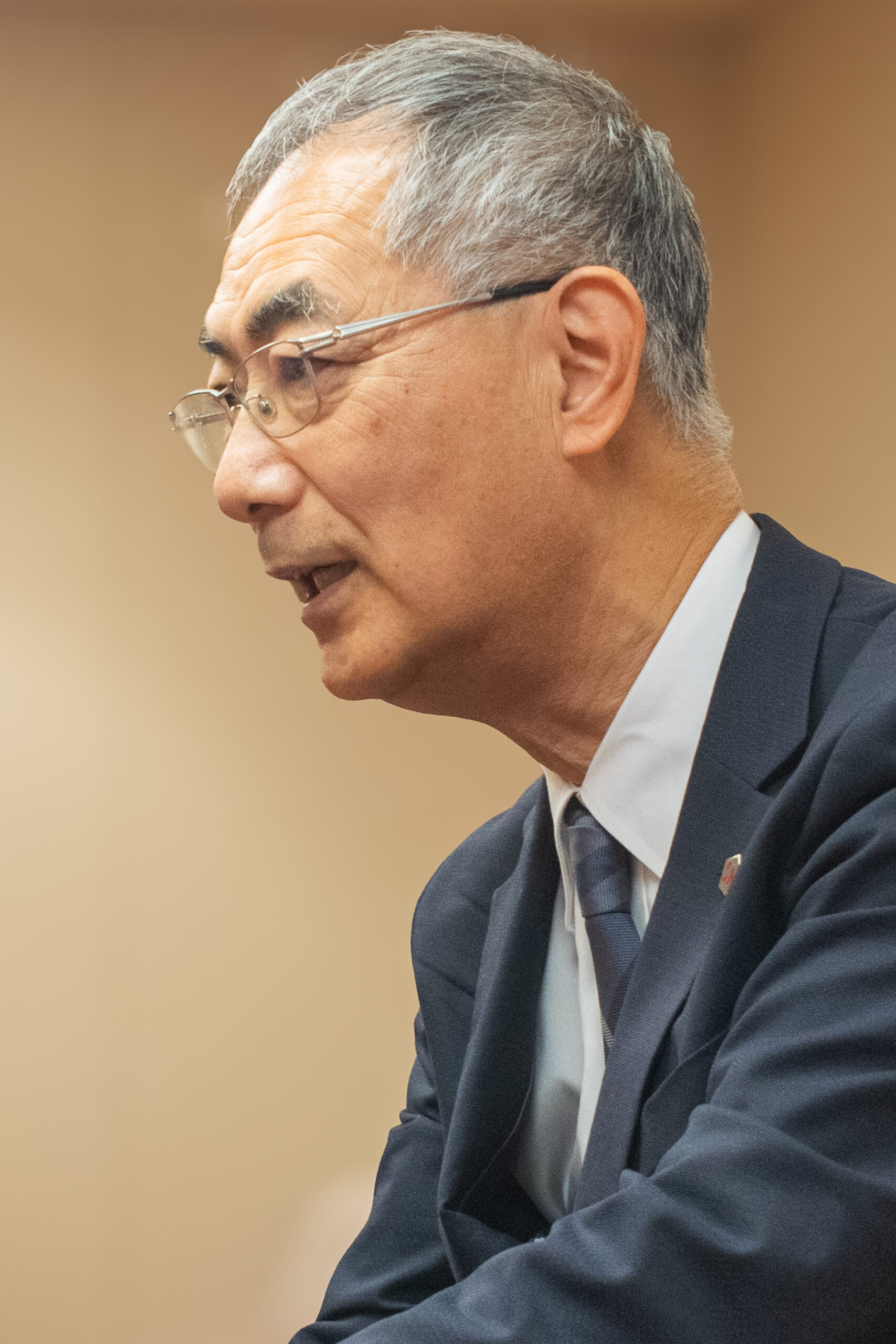
Eventually, the one-man leadership began to take the organization in a troubling direction.
In public, the leader said all the right things. Behind the scenes, he pursued his own interests. People like that inevitably contradict themselves. Working at his side, I felt that inconsistency all the time.
Restoring integrity to the organization became my greatest priority.
But if I confronted him head-on and ended up having to leave, it would all be over. I resolved to endure the situation with my long-term goal firmly in mind, changing the organization little by little and steadily building support. I took personal responsibility for every area, from administration and systems to sales, so that I understood the work in every detail. Through our day-to-day business, I also built bonds of trust with customers.
Then, in 2010, I proposed his removal at a board meeting, and the motion passed. I acted before he could make his move. The elected representatives of our members told me, “We knew something was wrong at this institution. But we could not change it ourselves.” Hearing that meant a great deal to me.
Looking back now, I realize that all of those experiences were an education.
Even today, that former leader appears in my dreams almost every day. I wake up worrying, “What if he says something like that to me again?” Then I feel relieved: “Oh, it was only a dream.”
Strangely, though, in those dreams he appears as a very good person. Perhaps, in my mind, those days have already become fond memories.
Looking back, I have encountered some extraordinary people and some extraordinary situations, not all of them easy. Yet now I can see all of them as valuable encounters. I feel no enmity or hatred at all. Only gratitude.
Educating people to live by conviction,
not calculation
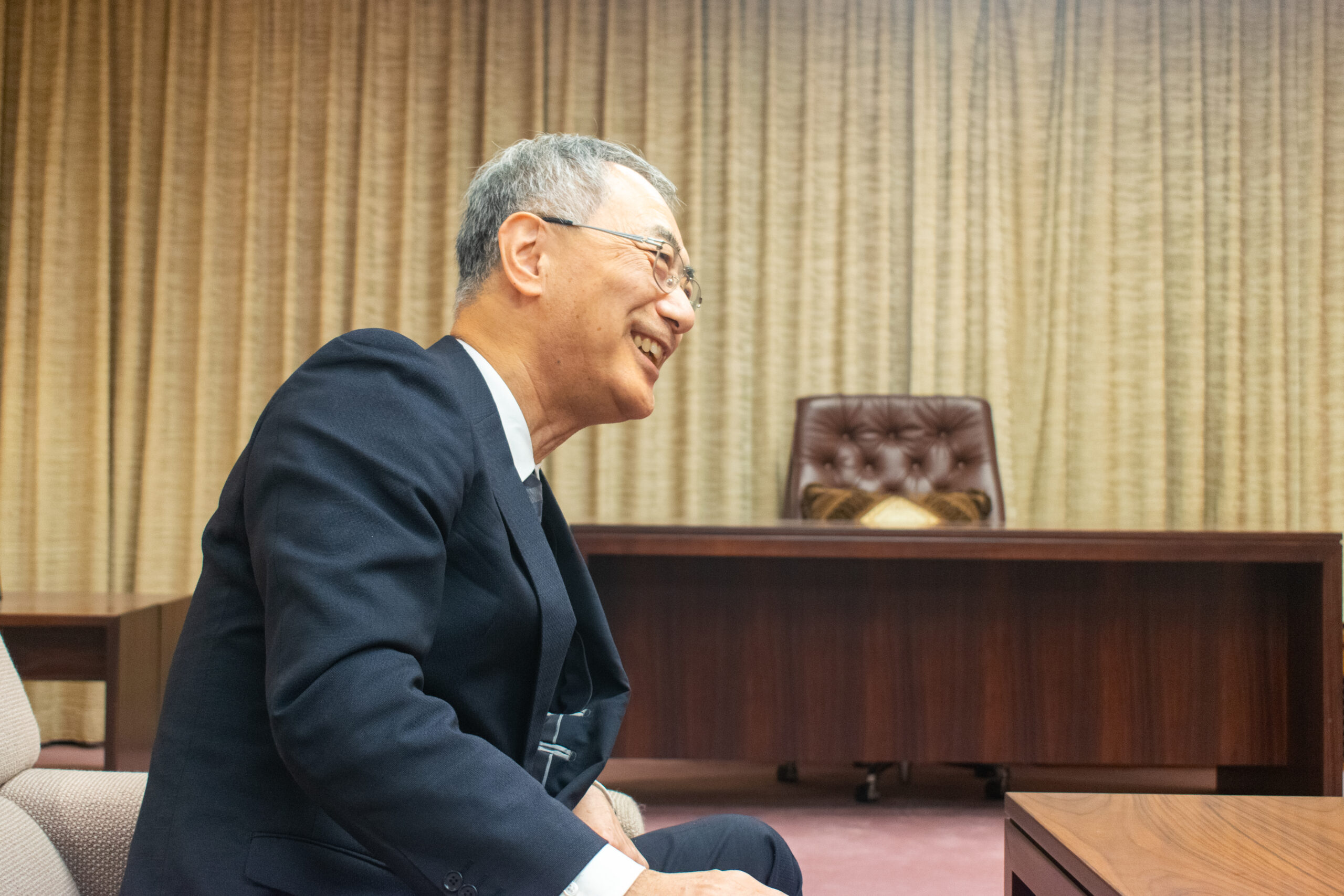
At Johnan Shinkin Bank, we have worked to make society better through the power of the economy.
But the work of a shinkin bank alone cannot counter the powerful tide of globalism that treats the world as a single market and judges everything solely by efficiency and profit. What we need is for people rooted in their communities, including small businesses and cooperatives, to work together to build a better society. And surely education is about developing people who can cooperate in that way.
That conviction is one reason I have served as chair of the board of Yokohama University of Commerce since 2025.
This is what I tell prospective students:
“Commerce is the study of how to make people happy. People do not buy things unless there is something enjoyable in it for them, do they?
Studying commerce means thinking hard about what will bring people joy and happiness.
That is why you need to study a broad range of subjects together: economics, law, and psychology, but also design, music, philosophy, and literature. And it does not end with writing a paper.
It only becomes commerce when you achieve something in the real world. That is why commerce is practical learning, or ‘true learning,’ as Yukichi Fukuzawa, the founder of Keio, understood it.”
After I started saying that, enrollment at Yokohama University of Commerce rose by around 50 students. [Laughs.]
I also said this to our new students:
“Perhaps, in mathematics, you were told, ‘Just memorize it,’ even though you did not understand why something was true. If you simply decide it is more advantageous to memorize it rather than question it, you are choosing personal advantage over the pursuit of truth.
You do not have to live that way.
It is all right not to understand something yet.
Rather than pretending you understand, search for a way of living that you can genuinely believe in.
That is what real learning means.”
When I said that, the students’ eyes lit up.
Education today too often produces people who study only for themselves and work only for themselves. People like that can give up easily. If you work only for your own sake, sooner or later you will reach your limit.
But if you feel your ancestors watching over you, and people in your neighborhood or the woman at the local shop call out, “Keep going,” you cannot simply give in.
It is because we carry responsibilities beyond ourselves that we find the strength to hold on when it matters most.
Live by what you truly believe in, not merely by what you stand to gain or lose.
Turn the responsibilities you carry into a source of strength.
Those are the young people I want to help nurture.
That is the work I want to devote myself to from here on.
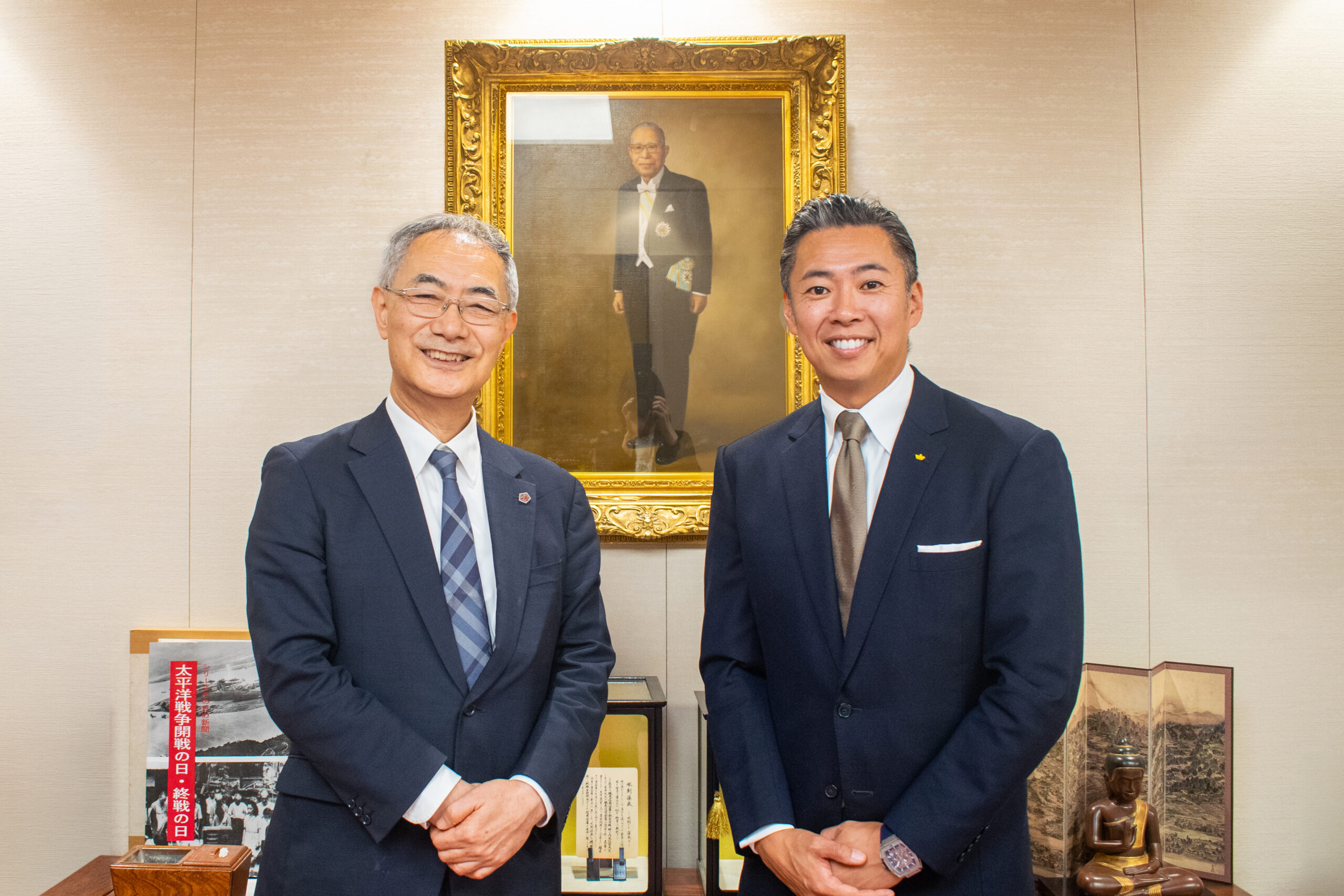
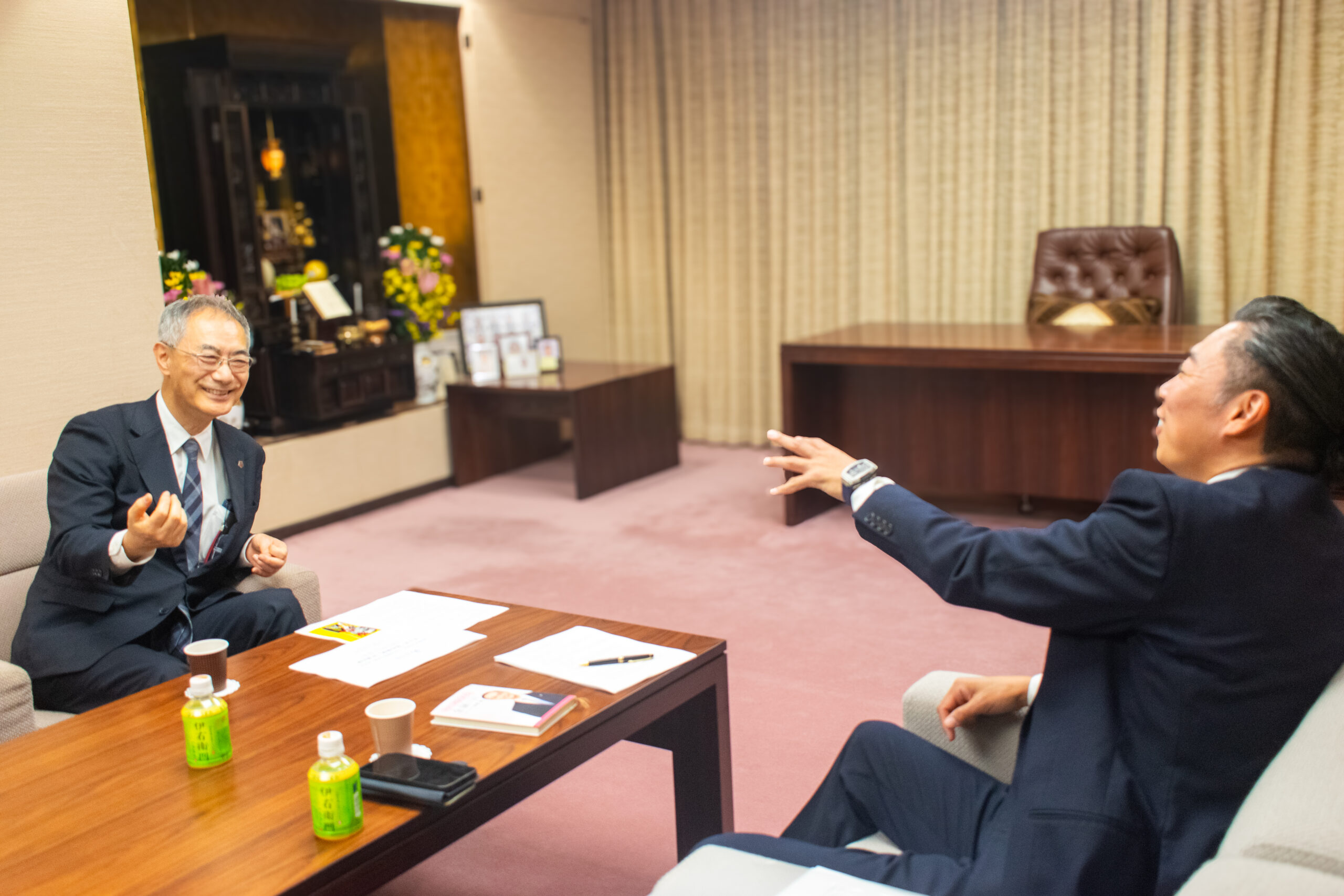
Mr.Sugiyama and I are both Keio alumni, and we share another important connection: we both studied under Professor Hiroshi Kato. We hit it off from our very first meeting. The interview lasted more than three hours, with the two of us talking at a breathless pace, completely absorbed in the conversation. Later, reading Mr. Sugiyama’s books and learning more about the way he lives, I was deeply impressed by the insight of someone so much younger than myself.
As an economics graduate, I have drawn on modern economics, including the theory of club goods within public choice theory and the theory of information asymmetry, to explain the advantages of cooperative financial institutions such as shinkin banks to younger officials at the Financial Services Agency and others. Meanwhile, Mr. Sugiyama’s alma mater, Keio University’s Shonan Fujisawa Campus (SFC), has pioneered the field of policy management. I believe this approach can explain the strengths of communities: they respond to positive and negative externalities not only through market feedback, the focus of economics, but also through a variety of political and social feedback mechanisms.
Why do I object to globalism? Because it destroys these communities and disables the diverse feedback mechanisms that they offer. I hope that younger people will spread these new insights and change the world. I sincerely wish Mr. Sugiyama continued success, both in Japan and internationally.
Honorary Advisor, Johnan Shinkin BankChair of the Board, Yokohama University of Commerce
Tsuyoshi Yoshiwara
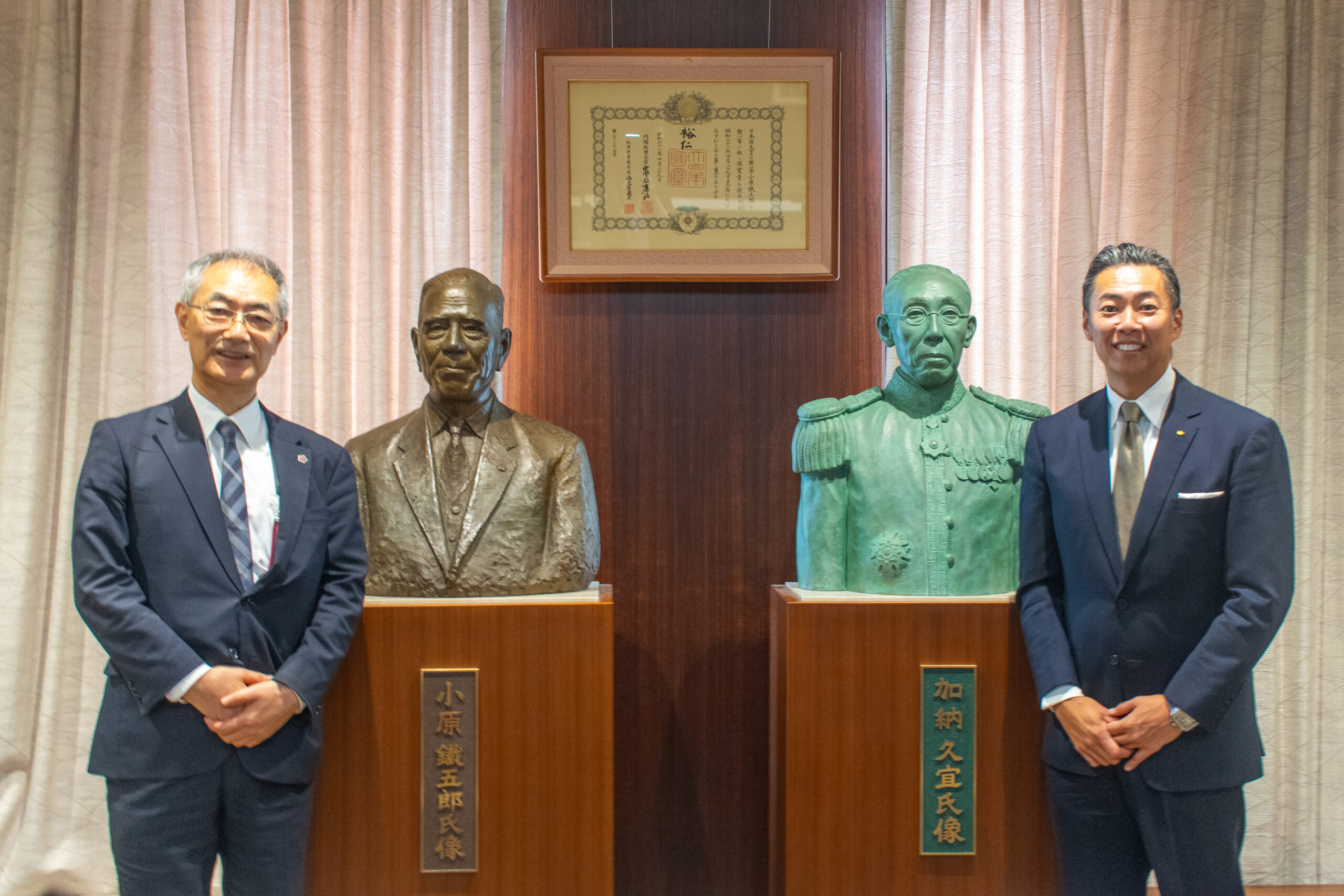
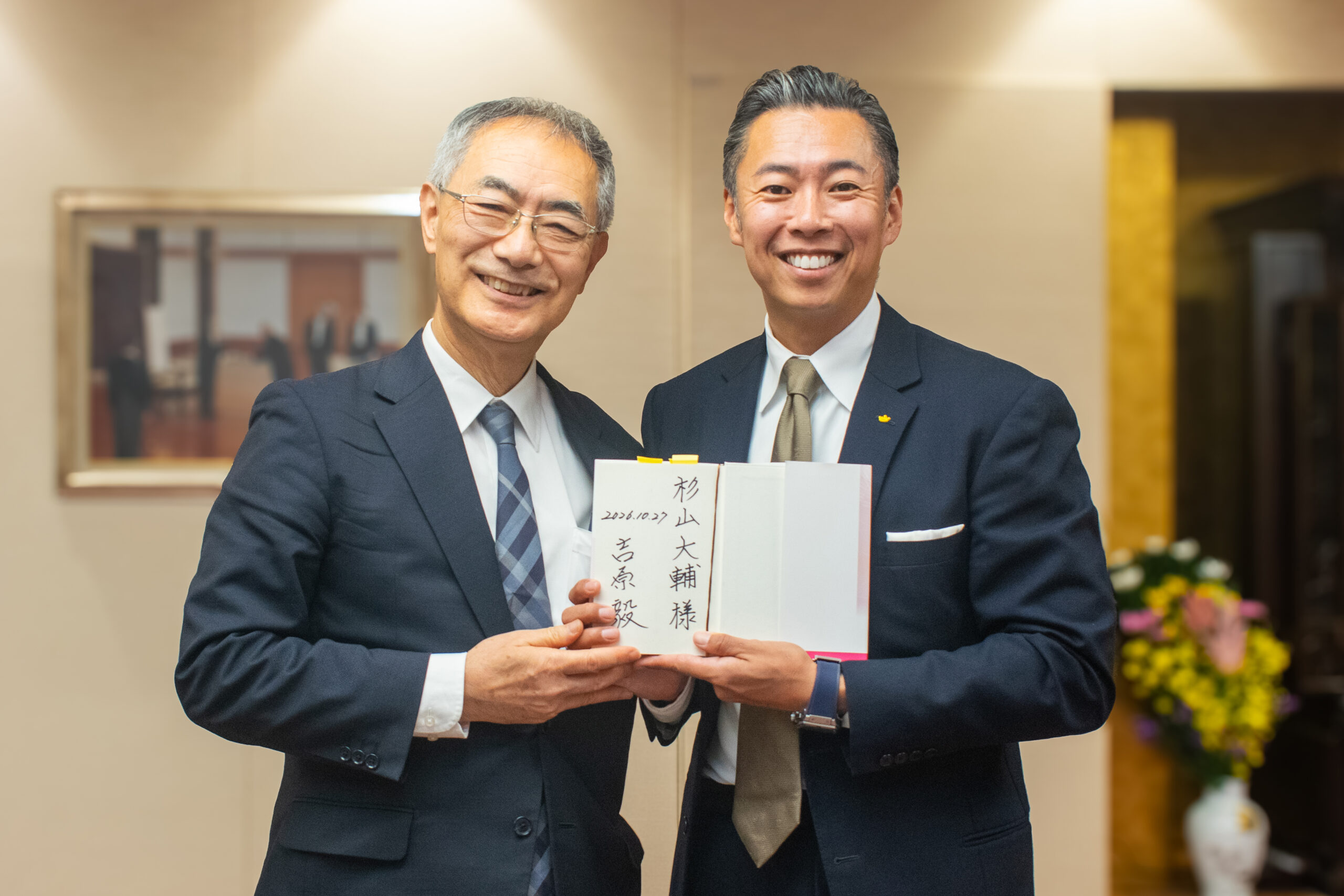
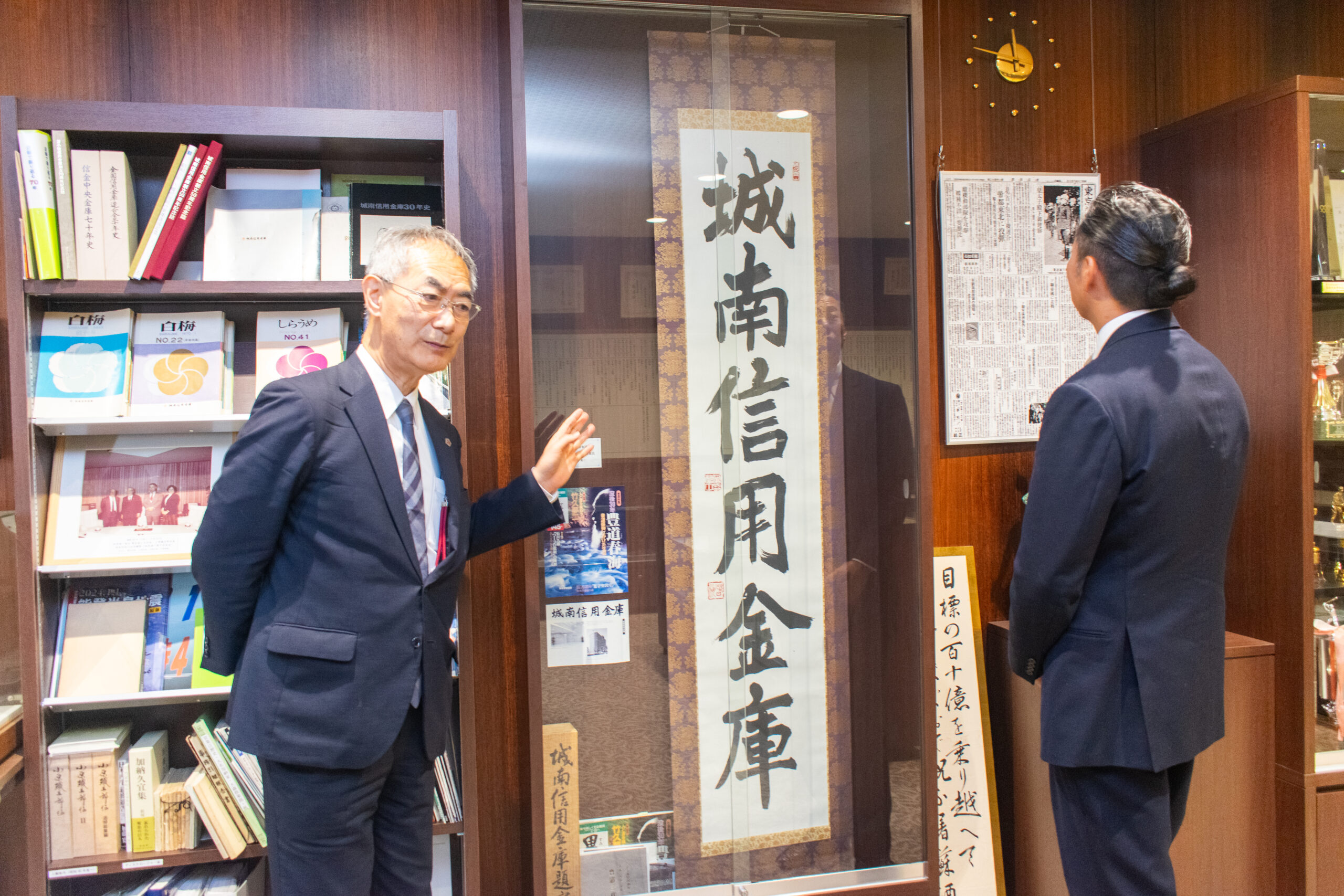
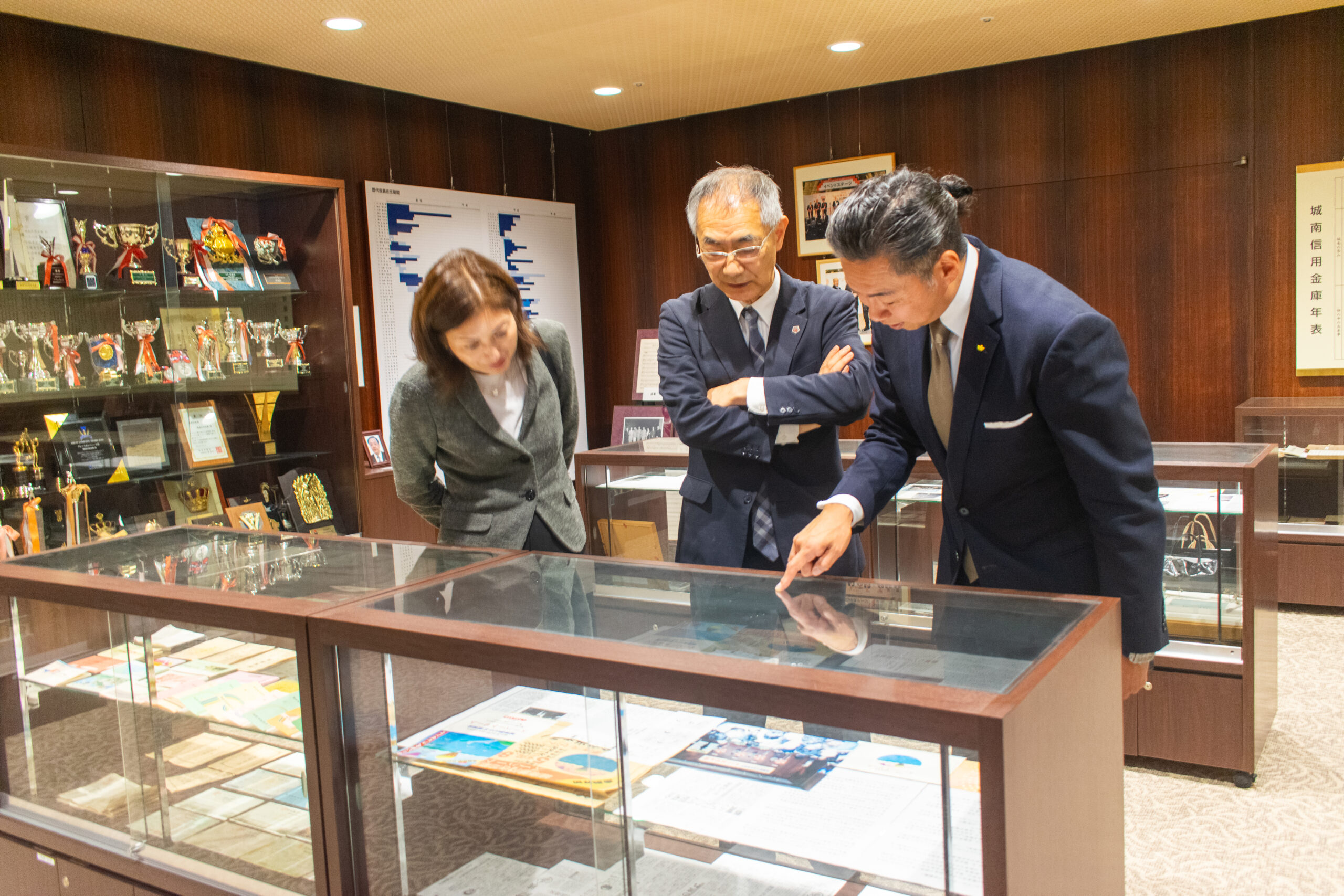
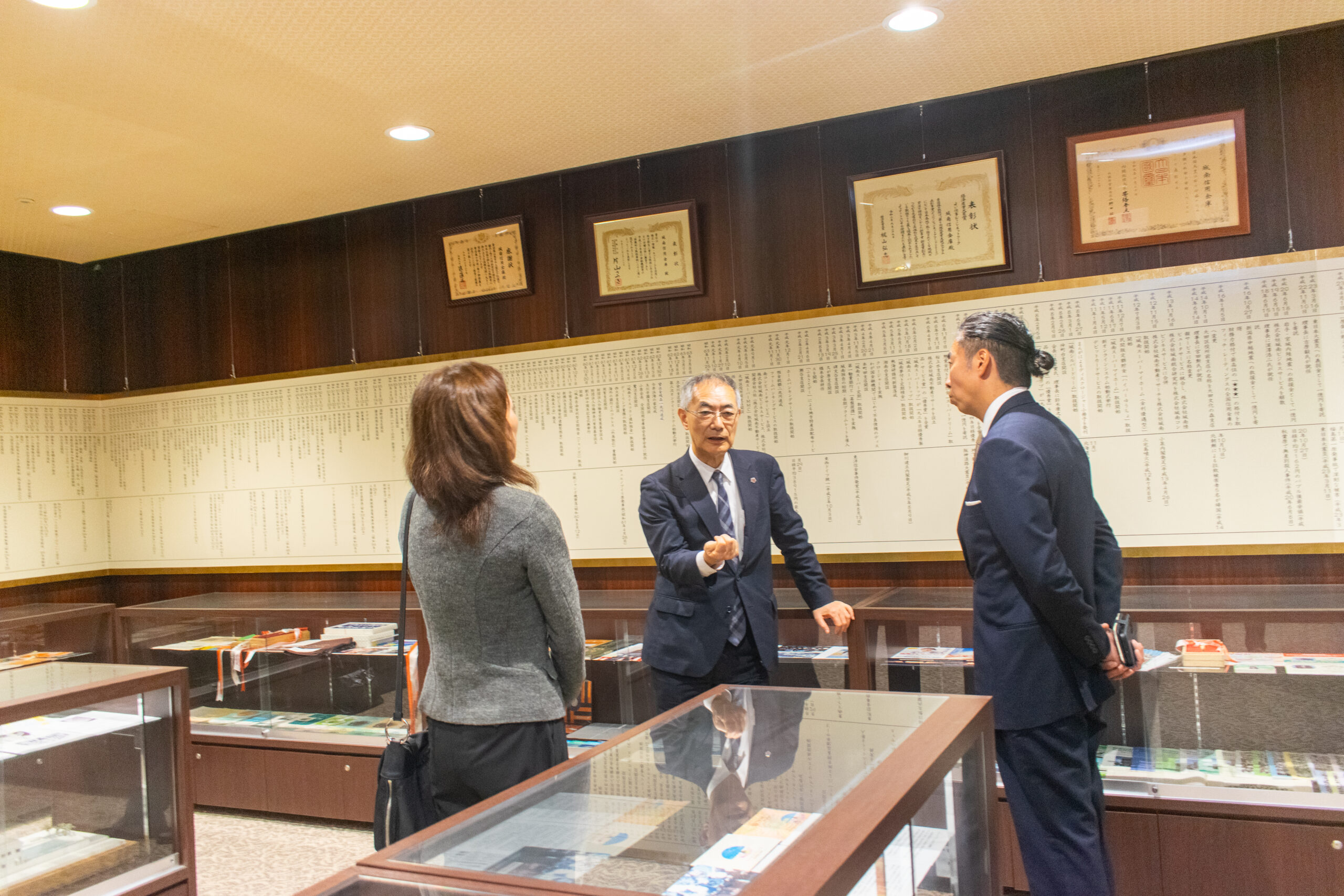
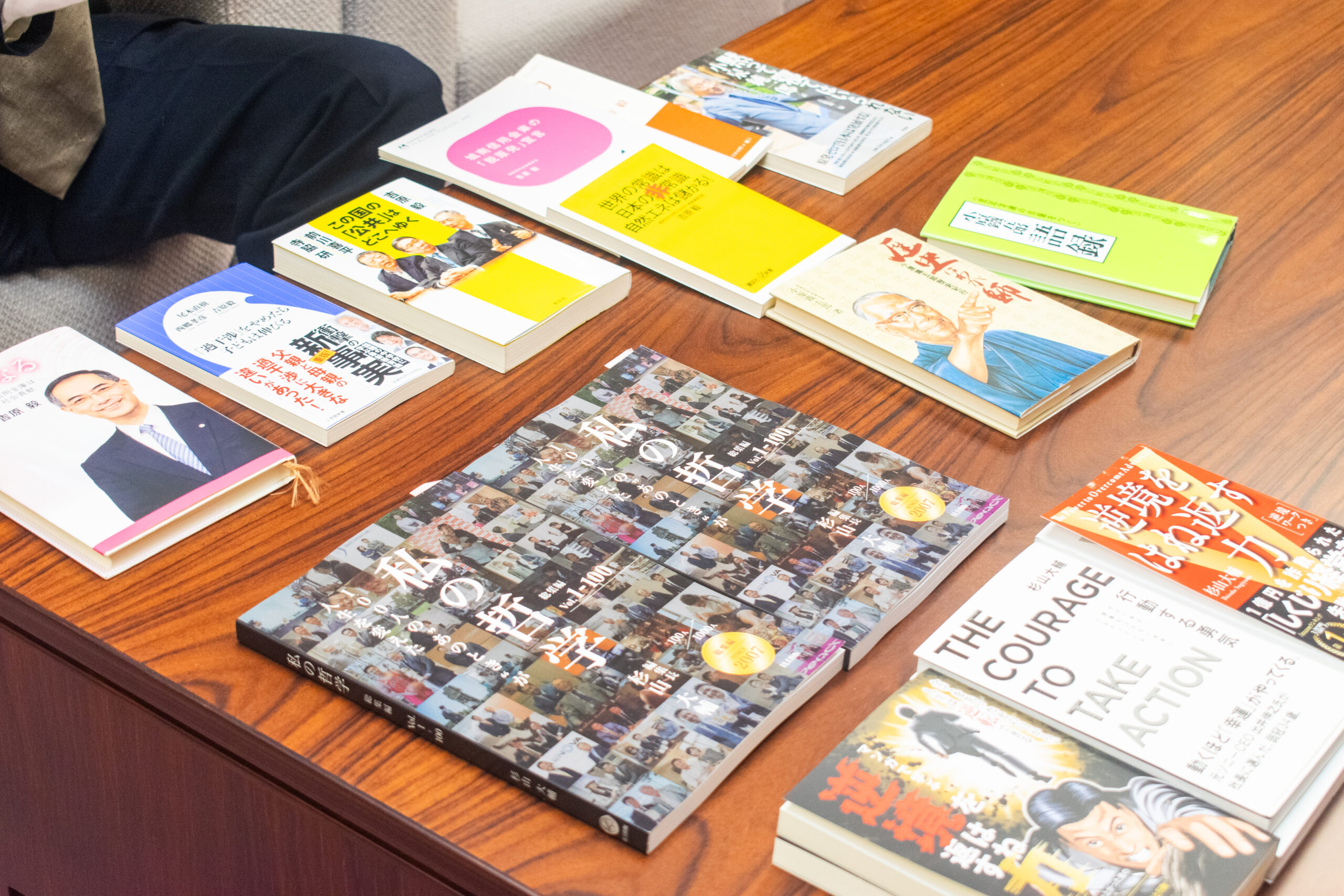
My connection with Mr.Tsuyoshi Yoshiwara began with financing for my company. When I learned that fixed interest rates were going to rise, I visited Johnan Shinkin Bank to discuss a loan. During that visit, I received books about the bank’s history. As I read them, I came to learn about Mr. Yoshiwara.
Another connection was Professor Hiroshi Kato, who appeared in the 12th installment of My Philosophy. Knowing that we shared this connection made me all the more eager to meet Mr. Yoshiwara in person. When I requested an interview, he kindly agreed.
Our conversation ranged from economics to the way the world works. It felt as though I was attending one of Mr. Yoshiwara’s classes. Rather than depending on others, each of us should take pride in who we are, think for ourselves, and stand on our own feet. I was reminded of the importance of “independence and self-respect”.
His idea of a “landmine alert” resonated with my own professional experience. When you sense that an approach will trigger a negative reaction, you need to understand the other person and rethink how you communicate and move forward. His stories brought that lesson home to me again.
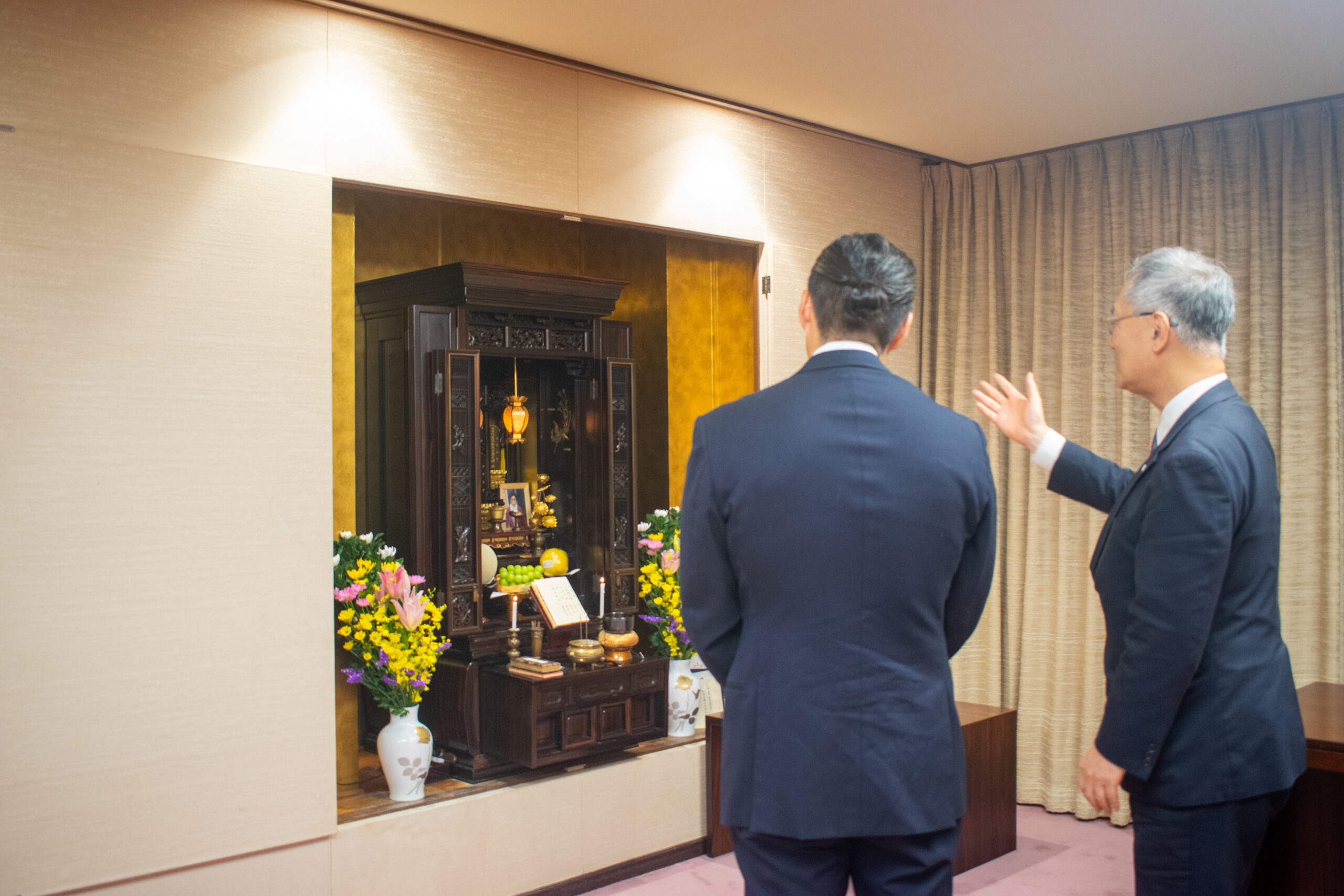
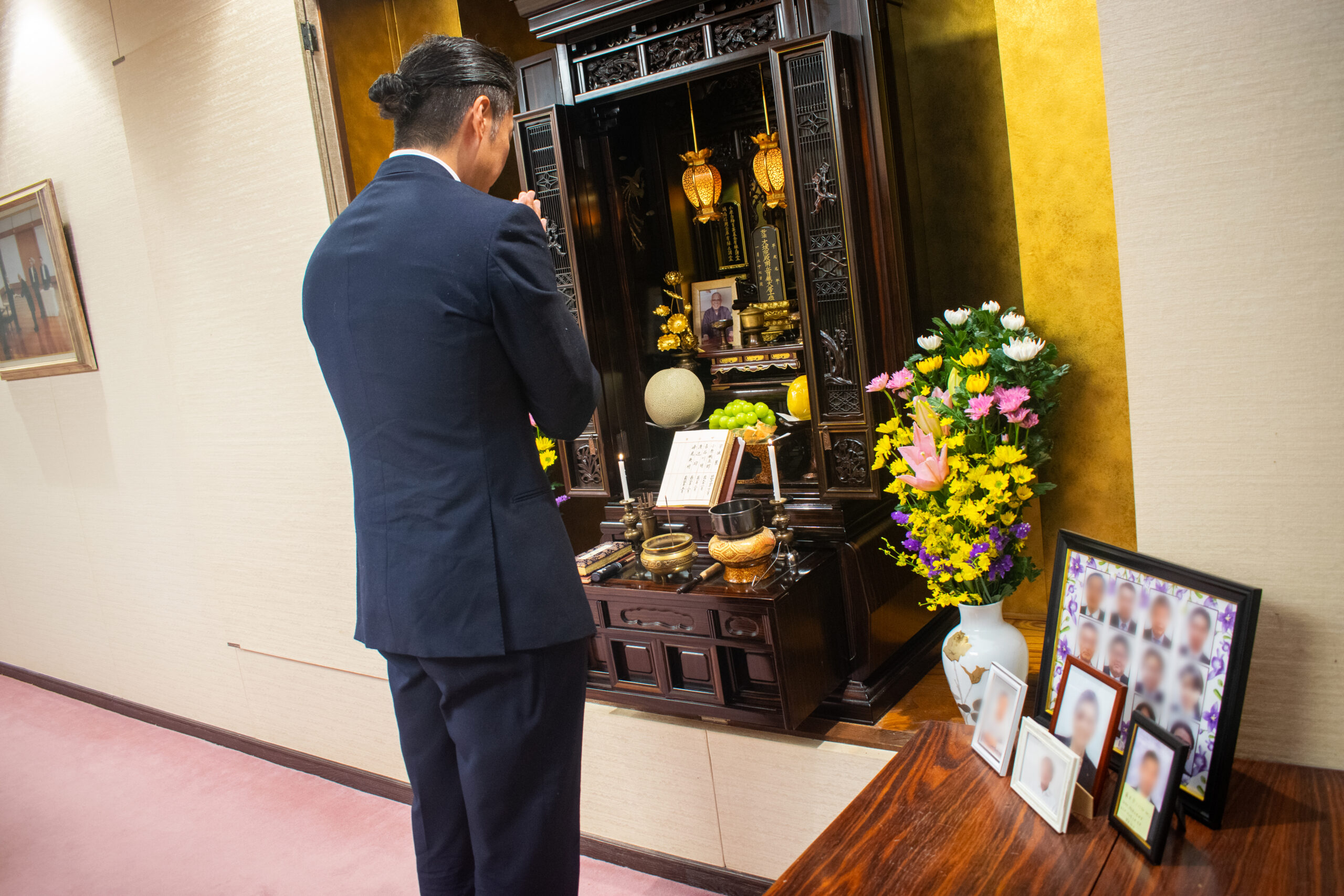
After the interview, he showed us the memorial room and other parts of the building. I was particularly struck by the sight of Mr. Yoshiwara offering incense at a Buddhist altar in remembrance of staff members who had dedicated themselves to the institution. The organization we see today rests on the work and aspirations of those who came before us. I felt the weight of that history.
Johnan Shinkin Bank’s head office is within walking distance of my home. I, too, want to use my work and the experience I have gained to give back to the community where I live. Meeting Mr. Yoshiwara renewed that commitment.
DK Sugiyama, Editor-in-Chief, My Philosophy
October 2026
Johnan Shinkin Bank, Head Office
Interview and Editing: DK Sugiyama
Project Manager: Chiho Ando
Written by: Eri Shibata, Deputy Editor-in-Chief, My Philosophy
Photography: Hirona Goto
Produced by: My Philosophy® Editorial Team
Milestone (2007~)
View all Interviews
-
Vol.132 Tsuyoshi Yoshiwara
Honorary Advisor, Johnan Shinkin Bank
Chair of the Board, Yokohama University of Commerce -
Vol.131 Shokei Yabumoto
25th Head Priest of Sennenji Temple
Yuzu Nembutsu Buddhist Tradition -
Vol.130 Mihoko Yamasaki
Creator of a Walking Method for Better Posture and Gut Health
-
Vol.129 Anis Uzzaman
Founder and CEO, Pegasus Tech Ventures
Founder and Chairman, Startup World Cup -
Vol.128 Nicolai Bergmann
Flower Artist
-
Vol.127 Hideki Wada
Psychiatrist
-

Vol.126 Hiroki Ogawa
General Manager, UMITO Kamakura Koshigoe|Chef, Le RESTAURANT
-
Vol.125 Seiichi Okada
Owner & Vice Chairman, Medical Corporation Seiseikai Inokuchinoma Hospital
President & CEO, Okada Medical Investment Co., Ltd. -
Vol.124 Masato Kato
President & CEO, Bechstein Japan Co., Ltd.
Klavierbaumeister -
Vol. 123 Akiko Yamamoto
Japan President, Van Cleef & Arpels, Richemont Japan
-
Vol.122 Akimi Fukuhara
Pianist
-
Vol.121 Sammy Miyamoto
Hairstylist & Entrepreneur / President, “momotaro salon”
-
Vol.120 Ryotaro Muramatsu
Artist / Founder of NAKED, INC. / Visiting Professor at Osaka University of Arts / Branding Director of Achi Village, Nagano
-
Vol.119 lecca
Singer-Songwriter
-
Vol.118 John Tanzella
President / CEO of the International LGBTQ+ Travel Association (IGLTA)
-
Vol.117 Marin Alsop
Conductor
-
Vol.116 Hajime Kinoko
Modern Artist, Kinbakushi (Rope Master), Rope Artist, Photographer
-
Vol.115 Shintaro Koizumi
Out Japan Co., Ltd Chairman
SK Travel Consulting Co., Ltd (Out Asia Travel) President
International LGBTQ+ Travel Association (IGLTA) Ambassador to Asia -
Vol.114 George Fujisawa
George Fujisawa, President of Fluid Power, Ltd.
-
Vol.113 Kazumi Arikawa
President, Albion Art Co., Ltd.
Founder, Albion Art Jewelry Institute
Chevalier of the Ordre des Arts et des Lettres (French Republic)
International Council Member, Metropolitan Museum of Art (New York) -
Vol.112 Leslie Kee
Photographer
-
Vol.111 Mitsuyuki Takada
President and CEO of Albalkan Corporation
-
Vol.110 Koji Sato
Head Chef of Yamagata Kappo Akasaka Ajisai
-

Vol.109 Krishna Ramachandra
Founder and Non-Executive Chairman of Digital Insights Ventures
-
Vol.108 Marc Einstein
Chief Analyst of ITR Corporation
-
Vol.107 Kentaro Sakai
President and CEO of Sakai Fish Farm Co., Ltd.
-
Vol.106 Ryuki Narita
President of Narita Koi Farm Co., Ltd.
-
No.105 Yoshihiro Tsumura
President and Group CEO, Aderans Co., Ltd.
-
Vol.104 Takatoshi Maruo
"Bali's Aniki (*Big Brother)"
-
Vol.103 Takashi Shimokawa
Principal of the preparatory school "Bulkan Juku" | President and CEO of Tass Group
-
Vol.102 Sayuri Yamaguchi
Ginza "CLUB GRÈS" Owner Mama
-
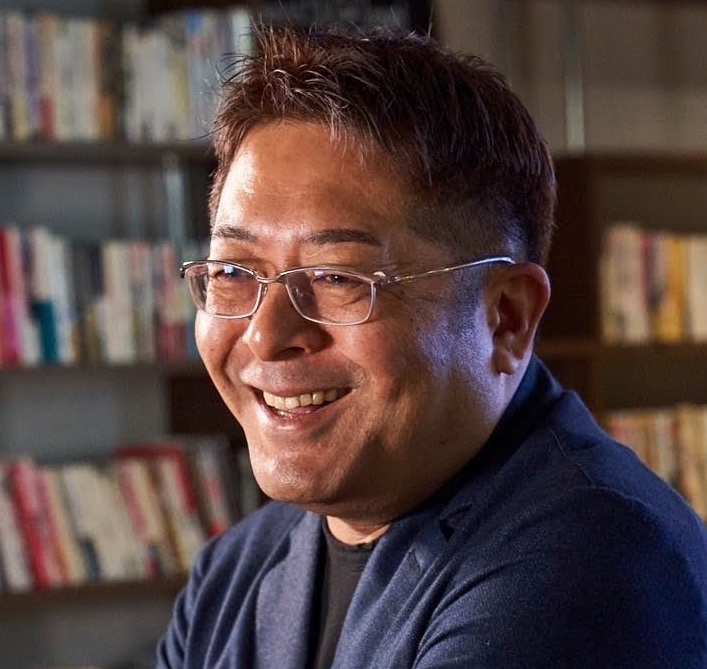
Vol.101 Koji Yamamoto
President and CEO of Global Partners Inc.
-
Vol.100 Tetsuo Gyotoku
Director of the Japan BE Research Institute
-
Vol.99 Kiyoshi Murano
Philosopher and Astronomer | Futurist
-
Vol.98 Hiroshi Yaegashi
Catalyst | Business Creator
-
Vol.97 Hiroyuki Sasaki
Chairman, Group Representative & CEO Pro Labo Holdings Co., Ltd.
-
Vol.96 Satoshi Yamaguchi
Chairperson of the Chitose Koyukai Social Welfare Corporation
-
Vol.95 Hideko Suzuki
Doctor of Literature | Critic
-
Vol.94 Kiyoshi Kurokawa
Doctor of Medicine | Honorary Professor at the National Graduate Institute for Policy Studies | Representative Director of the Health and Global Policy Institute
-
Vol.93 Hiroshi Senju
Japanese Painter | Professor at the Graduate School of Kyoto University of the Arts and Design
-
Vol.92 Takashi Yamane
Management Scholar | Certified Public Accountant | Professor at Waseda University Graduate School of Business and Finance (WBS) | Emeritus Professor at Keio University
-
Vol.91 Kazuo Noda
Honorary Chairman of the Japan Research Institute, a general incorporated foundation | Honorary Chairman of the Social Development Research Center, a general incorporated foundation | Honorary President of Tama University | Honorary President of The Graduate School of Project Design
-
Vol.90 Goichi Okada
Sales Office Manager, Prudential Life Insurance Co. | Senior Consulting Life Planner
-
Vol.89 Tatsumitsu Yamazaki
Honorary Chairman of the Japan Sailing Federation | Former Chairman of S&B Foods Inc.
-
Vol.88 Rick Blangiardi
Hawai‘i News Now Manager
-
Vol.87 Timothy Cottrell
Head of School, ‘Iolani School
-
Vol.86 John Gotanda
President of Hawai‘i Pacific University
-
Vol.85 George Ariyoshi
Former Governor of Hawaii
-
Vol.84 Taro Yoshida
President and CEO, Hawaii Hochi Ltd.
-
Vol.83 Naoki Kusano
President, HANAKEN | TOKYO TONKOTSU RA-MEN BANKARA Founder
-
Vol.82 Akira Kawashima
Doctor | Doctor of Medicine | Professor, Department of Acupuncture and Moxibustion, Faculty of Health Sciences, Tokyo Ariake University of Medical and Health Sciences
-
Vol.81 Reika Asai
President of Kirei Company, Inc.
-
Vol.80 Seiji Hayashi
President and CEO of Car Conveni Club Co., Ltd.
-
Vol.79 Shinichi Inoue
CEO of Peach Aviation Co., Ltd.
-
Vol.78 Katsuyoshi Fukuyama
President and CEO of Gardner Co., Inc.
-
Vol.77 Nahoko Ishikawa
Representative Director, Sixth Sense Labs, Inc.
-
Vol.76 Shin Yamagishi
Photographer
-
Vol.75 Mikio Kawai
Professional Surfer
-
Vol.74 Isao Aoki
Professional Golfer | Chairman, Japan Golf Tour Organization
-
Vol.73 Norihiko Sasaki
Executive Director, Editor-in-Chief of NewsPicks | Editor | Journalist
-
Vol.72 Yazaki Yasuhisa
Freelance Journalist | Editor
-
Vol. 71 Michael Anthony
Executive Chef, Gramercy Tavern
-
Vol.70 Kenji Takenaka
Flower Designer
-
Vol.69 Daniel T. Ebihara
Head of the New York Kendo Dojo, Entrepreneur, and Product Designer
-
Vol.68 Kyoko Gasha
Journalist | Film Director
-
Vol.67 Casey Taniguchi
President of Yomitime
-
Vol.66 Misao Ito
Writer | Art Producer
-
Vol.65 Narimasa Nakaoka
President and Representative Director, Suzukake Co., Ltd.
-
Vol.64 Takashi Sano
Chocolate Shop Owner-Chef
-
Vol.63 Toshiaki Kurosaka
Chairman of Porsche Japan K.K.
-
Vol.62 Taro Saito
Communication Designer. President and CEO of dof Inc., Co-CEO of CC Inc., Outside Director of VOYAGE GROUP Inc., Outside Director of Oceanize Inc., and Global Strategy Committee Member of the NPO TABLE FOR TWO.
-
Vol.61 Hideyuki Murakami
President and CEO of Iwataya Mitsukoshi Ltd. | Executive Vice President of Isetan Mitsukoshi Holdings Ltd.
-
Vol.60 Yoshiyuki Okuno
Owner-Chef of Ristorante La Brinca
-
vol.59 Rika Yukimasa
Culinary Researcher | CEO, REKIDS Co., Ltd.
-
Vol.58 Kazuko Tōdō
Manager and Proprietor of "Royal Box" and "Lindbergh" | Editor-in-Chief of 'LB Nakasu Newsletter
-
Vol.57 Takaharu Futaeda
CEO, Anny Group KFT
-

Vol.56 Kengo Kuma
Architect
-
Vol.55 August Hergesheimer
President and CEO of Abios Corporation | Ph.D. in Nutritional Science
-
Vol.54 Tomio Taki
Honorary Advisor, Takihyo Co., Ltd.
School Board Chairman, Taki Academy, Inc.
Board Member, Mikimoto (America) Inc. -
Vol.53 Tadashi Okura
President and CEO of Torikizoku Co., Ltd.
-
Vol.52 Hiroshi Sugimoto
Japanese Painter | Specially Appointed Professor at Yokohama University of Art and Design
-

Vol.51 Aureana Tseu
Hula Artist
-
Vol.50 Don Konishi
Fashion Designer | Visiting Professor, Nagoya University of Arts and Sciences
-
Vol.49 Sachio Senmoto
Chairman of the Board, Renova, Inc.
-
Vol.48 Naoyoshi Amari
Head Priest of Ichigyosan Senshuji Temple | Principal of Senshu Kindergarten
-
Vol.47 Takashi Maeno
Dean and Professor of the Graduate School of System Design and Management at Keio University.
-
Vol.46 Tomizo Yamaguchi
Third-Generation Head of Kyoto Confectionery "Suetomi"
-
Vol.45 Toshiharu Kokubun
Representative Director of Earth Holdings Co., Ltd.
-
Vol.44 Keita Obara
Professional boxer
-
Vol.43 Yuko Kibayashi Shin Kibayashi
Non-fiction writer and manga creator
-
Vol.42 “My Philosophy” Junki Yoshida
Chairman and CEO, Yoshida Group & Founder, Yoshida Sauce
-
Vol.41 Seisei Hanayama
Artist
-

Vol.40 Yoshiharu Sekino
Explorer | Anthropologist | Professor at Musashino Art University
-
Vol.39 Masaki Yokokawa
Representative of WELCOME Group
-
Vol.38 Tamami Sunoda
President and CEO of NOZZE (Marriage Information Center)| President, CEO, and Owner-Designer of Fashion Brand "JuviJuvi"
-
Vol.37 Shuichi Tsuji
Sports Doctor | CEO of Eminecross Co., Ltd.
-
Vol.36 Yuichiro Miura
Professional Skier | Principal of Clark Memorial International High School
-
Vol.35 Nobufumi Matsunaga
Educational Environment Setting Consultant | Founder of V-net Educational Consultation Office
-
Vol.34 Tetsu Mizutani
Suntory Beer Limited - President, Chief Executive Officer
-

Vol.33 Yukino Kikuma
Lawyer
-

Vol.32 Keiko Kouda
CEO of AsMama Co., Ltd.
-

Vol.31 Takami Hasebe
White Ship Inc. CEO | Art Producer
-

Vol.30 Aya Kinoshita
Representative Director of UHM Co., Ltd. | General Manager of Hotel Niwa Tokyo
-

Vol.29 Clara Komazaki
KoLabo Co., Ltd. Representative Director and President
-

Vol.28 Nobuko Tsutsumi
Lecturer at Showa Women's University, Aoyama Gakuin Women's Junior College, and Hosei University | Freelance Announcer | Essayist
-

Vol.27 Yu Kaida
Portrait photographer
-

Vol.26 Manabu Miyasaka
President and CEO, Yahoo Japan Corporation
-

Vol.25 Shuichiro Kimura
Representative Director of Boulangerie Eric Kayser Japon Inc.
-

Vol.24 Yohei Sadoshima
President and CEO of Cork, Inc.
-

Vol.23 Toshiaki Kanda
Representative of Kanda News Network | IT Journalist, Social Media Consultant
-

Vol.22 Emmy Suzuki Harris
Japanese Representative of Change.org
-

Vol.21 Masakazu Yanagisawa
Director of Global Prime Finance Sales at Deutsche Securities Inc. | Board Member of NPO good aging yells
-

Vol.20 Fumio Tateishi
Chairman of the Board of Directors, OMRON Corporation
-

Vol.19 Nobuyuki Idei
Founder & CEO, Representative Director of Quantum Leap Corporation
-

Vol.18 Rowland Kirishima
Photographer | Multi-Creator
-

Vol.17 Junko Masachika
Founder of Personal Styling | President and CEO of Fashion Rescue Ltd. | Dean of Personal Stylist Japan | Chairman of the Professional Personal Stylist Association
-

Vol.16 Kumiko Otsuka
President and Representative Director of Otsuka Kagu, Ltd.
-
Vol.15 Tsugihiko Fujiwara
President and CEO of AOI Pro. Inc.
-
Vol.14 Hideaki Inoue
President and CEO, Park Corporation
-
Vol.13 Edward Suzuki
Architect | Representative of Edward Suzuki Associates Inc.
-
Vol.12 Hiroshi Kato
Economist
-
Vol.11 Seiichi Shimada
Special Advisor at Nihon Unisys Ltd. | Former Chairman of the Japan Housing Finance Agency | Former Vice President of Mitsui & Co., Ltd. | Former President of Nihon Unisys Ltd.
-
Vol.10 Kanae Doi
Japan Representative, International NGO "Human Rights Watch" | Lawyer
-
Vol.9 Hitomi Kumasaka
Social Media Consultant | President and CEO of Social Media Research Institute Co., Ltd.
-
Vol.8 Yuriko Takahashi
CEO of E.OCT Inc.
-
Vol.7 Kazuhiro Hasegawa
Representative of the Corporate Power Institute | Senior Researcher at the Inter Professional Education Research Center, Chiba University of Commerce (CUC)
-
Vol.6 Kage
President and Representative Director of Caricature Japan, Ltd., and Representative Artist | Asian Ambassador for the National Caricaturist Network (NCN)
-
Vol.5 Fumi Sasada
President and CEO of BRAVIS International, Inc. | Chairman of the Japan Package Design Association
-
Vol.4 Kota Matsuda
Chairman of Tully's Coffee International | President of Quiznos Asia Pacific
-
Vol.3 Shigeru Uchida
Interior Designer
-
Vol.2 Naoyuki Agawa
Dean of the Faculty of Policy Management at Keio University.
-
Vol.1 Hitoshi Suga
Venture Capitalist