



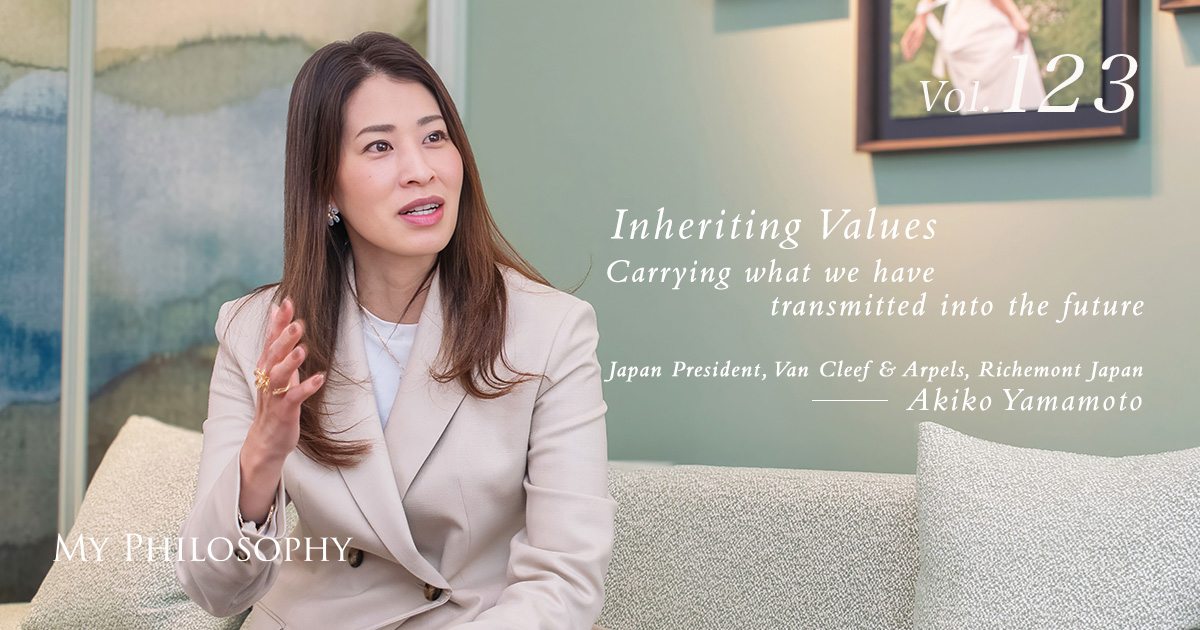
“I used to think that a president was someone special.” So says Akiko Yamamoto, President of Van Cleef & Arpels Japan. After joining Van Cleef & Arpels, she was appointed president in just six years—an unexpected turning point in her career. What she came to realize through that experience was this: A president is someone who embodies the values of an organization and bears the responsibility of passing them on to the next generation. Prioritizing emotion over efficiency, resonance over speed, Yamamoto continues to express the ※ Maison’s philosophy through her own way of being. What kind of leadership emerges from such a belief?
※“Maison” is a French word meaning “house.” In the fashion and jewelry world, it refers not merely to a company or brand, but to an organization that inherits traditions, spirit, and craftsmanship—passed down from founders to artisans—like a family. At Van Cleef & Arpels, the entire organization, including employees and craftsmen, is referred to as a Maison, where bonds between people are deeply valued.
Profile
Vol.123 Akiko Yamamoto
Japan President, Van Cleef & Arpels, Richemont Japan
Born in Tokyo in 1979. After graduating from the Faculty of Policy Management at Keio University in 2002, she earned a Master’s degree in Social Science from the University of Edinburgh.
She joined L’Oréal Japan in 2004 and served as Marketing Manager for global brands including KÉRASTASE, HELENA RUBINSTEIN, and KIEHL’S. In 2016, she joined Van Cleef & Arpels Japan, where she led brand strategy as Marketing Manager and later as Marketing & Communication Director.
In August 2022, she was appointed President of Van Cleef & Arpels, Richemont Japan. With a long-term perspective on brand building, she continues to lead the Maison in Japan, focusing on embedding its philosophy in the local market and preserving the essence of true luxury.
She is also a mother of a teenage daughter, and the quiet act of witnessing her child’s growth continues to shape and refine her own values.
Official Website of Van Cleef & Arpels
A Career Guided by Intuition
—The Meaning of Leadership
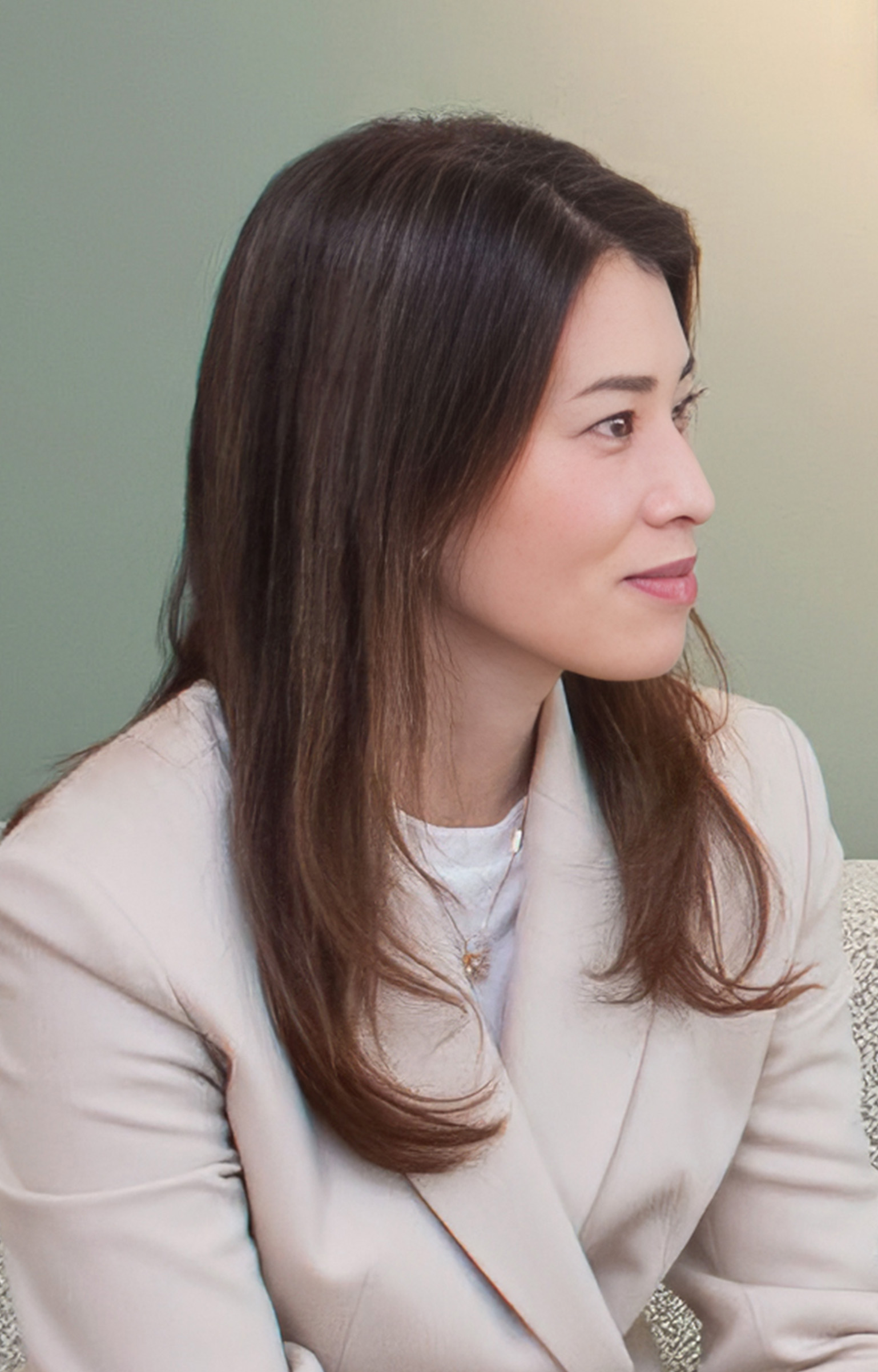
I began my career in cosmetics at Nihon L‘Oreal where those who thrived were the ones who pushed forward with sheer force—people who moved like bulldozers, always accelerating, always driving. New product launches and campaigns followed one after another, and every month demanded the same intensity. It was a world powered by momentum. It was exciting, but at some point, I realized I was close to exhaustion. Around the same time, my daughter was about to enter elementary school.
That convergence of professional pace and personal change led me to reflect quietly: How do I want to work? And how do I want to live?
It was during that period of reflection that I received an unexpected call. The moment I heard about the opportunity, something deeper than logic responded. I felt, instinctively, This is where I should be. That place was Van Cleef & Arpels.
From my first days at the Maison, I sensed a profound alignment. An uncompromising respect for values, a deep devotion to craftsmanship, and an unwavering identity as a true High Jeweler—these were not slogans, but lived principles. They resonated naturally with my own sense of what a brand should stand for. Nearly six years later, after a press event in Hakone, I was invited to breakfast by the French president the following morning. In a calm, almost casual manner, he said:
“I will be returning to Europe, which means the position of President in Japan will soon be open. Are you interested? It is an open application—you must raise your hand for it to begin. But I want you to know that I believe you can do it.”
I was taken aback. At the time, I had been serving as Marketing & Communication Director for only nine months. More importantly, I had never considered myself a leader who stands at the front, pushing people forward by force of personality.
Almost without thinking, I asked,
“What does a president actually do?”
His answer reframed everything.
“Strategy and business management, of course. But the most difficult—and the most important—responsibility is managing emotions: the emotions of the organization, the team, and each individual.”
Every person brings different motivations, circumstances, and states of mind. An organization is not a machine; it is a collection of human beings. And because of that, leadership is not about control, but about understanding. It is about standing close to people, acknowledging their emotions, and drawing out the passion that already exists within them.
That conversation shaped my understanding of leadership—and continues to inform how I lead to this day.
The Question That Changed Everything
—Do You Want to Do It?
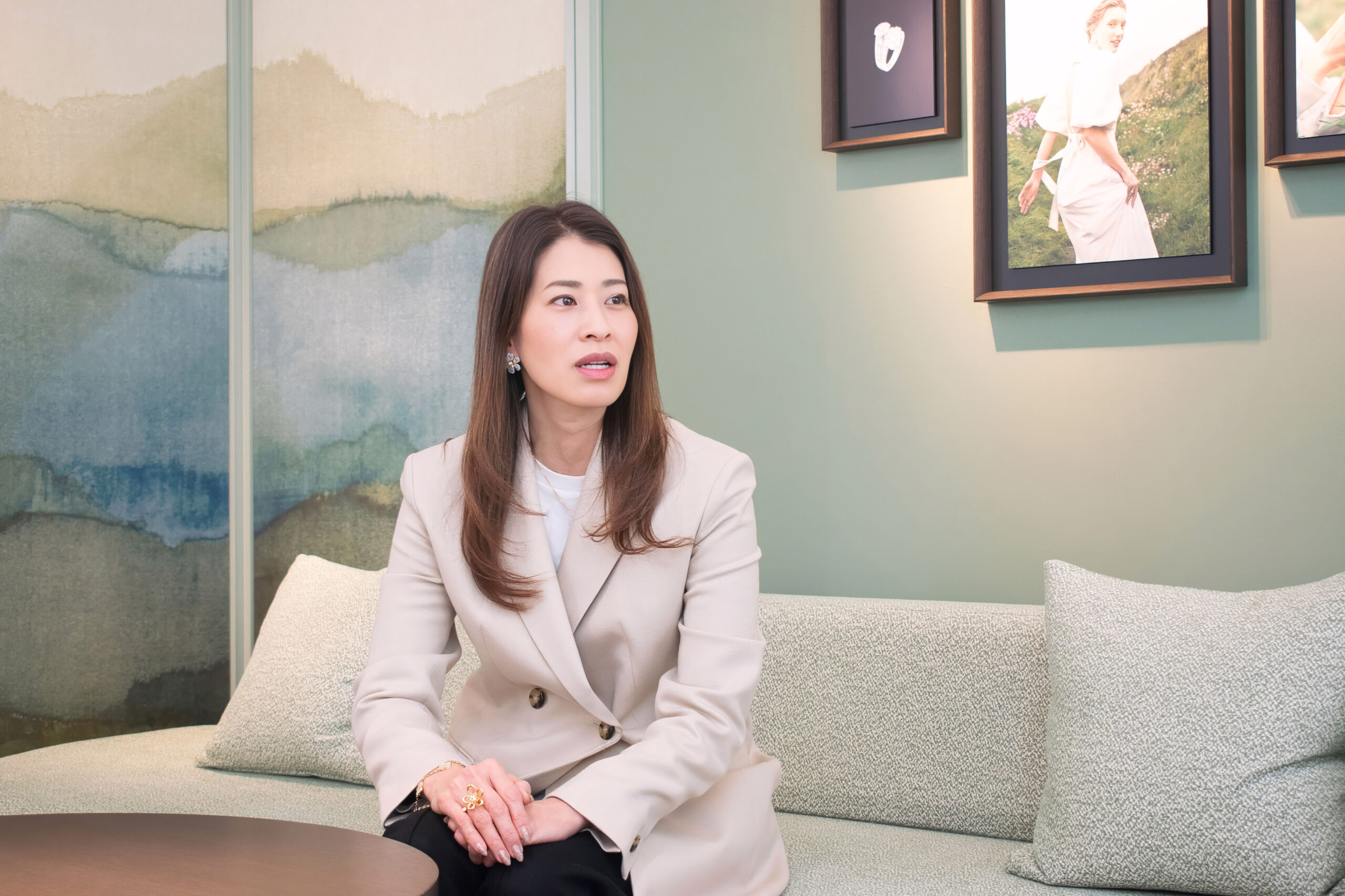
Before raising my hand, I struggled deeply with the decision.
I turned to a former boss from my previous company—someone I trusted. He listened quietly, then asked me a single question.
“Akiko, do you want to do it?”
It stopped me in my tracks. Until that moment, I had been consumed by one thought alone: Can I do it?
I had never paused to ask myself whether I truly wanted to.
He continued.
“You’re probably thinking you should wait three or five more years, gain more experience, and then go for it. But by then, the opportunity won’t come to you. It will go to the next generation. The fact that your name is being mentioned now means that this is the timing.”
He was right. His words cleared the fog in front of me.
If waiting three or five years meant never getting the chance, then it made more sense to try now. And if it didn’t work out, I could always take on the next opportunity when it came. I realized that waiting until I felt fully ready was not the answer. The real responsibility was to ride the wave when it appeared.
Even after deciding to step forward, the selection process revealed another challenge—one rooted in what is often considered a Japanese virtue.
There were four interviews in total, with senior leaders from the Paris headquarters: the global head of finance, the head of human resources, and members of the International executive committee.
Without realizing it, I approached each conversation with a typically Japanese humility, saying things like, “If I am chosen, I will do my very best.”
The feedback I received midway through the process was unexpected.
“Akiko is too modest. We can’t tell if she truly wants the role.”
What global leadership required was not restraint or modesty, but clarity and conviction—the ability to say, “This is what I can do. I am the right person for this role.”
Even the president who had initially encouraged me pulled me aside and said,
“Decisions are made in interviews. Sell yourself. Show them what you can do.”
I shifted my mindset.
Instead of focusing on what I lacked or what made me uncertain, I began to focus on what I had done—and what I could do. Once that shift happened, I was able to speak clearly and honestly in the later interviews, without hesitation.
Do What You Can
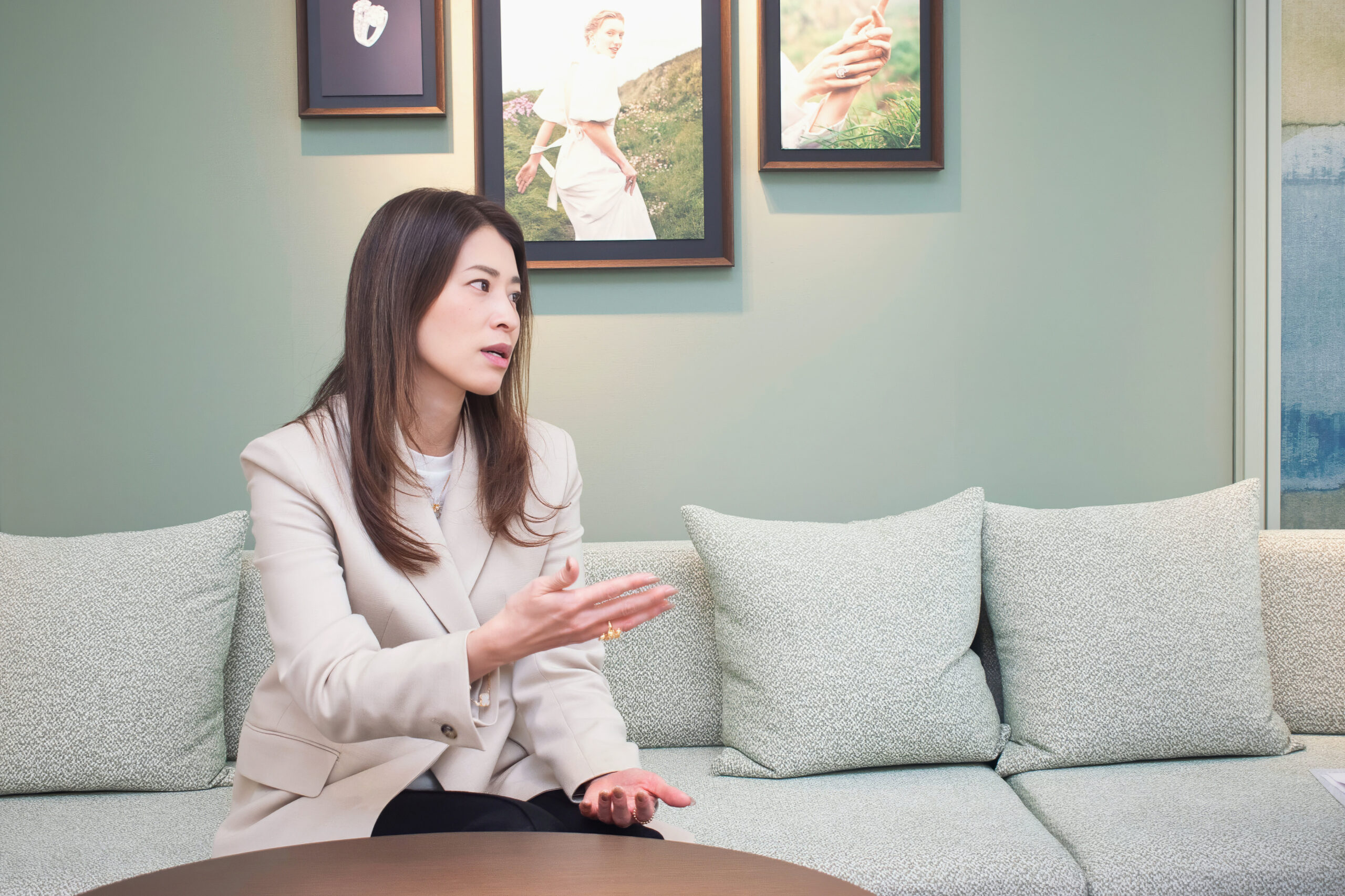
After becoming president, the first thing I faced was pressure—and the realization that I was, in fact, an ordinary person.
Around that time, I had the opportunity to have lunch with Kunihiko Moriguchi, a Living National Treasure and master textile artist. He was over eighty years old then, yet every time we met, he meticulously took notes about the people he encountered and the conversations he had, carefully organizing them along with photographs.
He said to me,
“By writing things down and keeping records, I can bring order to my thoughts.”
It was a revelation. Even someone regarded as a master continued to steady his mind and face himself through such quiet, deliberate practice. In comparison, I realized how arrogant it was for me—an ordinary person—to be overwhelmed by my perceived inadequacies without doing anything about them.
Rather than fearing what I couldn’t do, I began to write down what I could do, and simply focus on accumulating those actions, one by one. In that moment, the weight on my shoulders lifted.
Emotion Over Efficiency
The Value of Experience That Jewelry Conveys
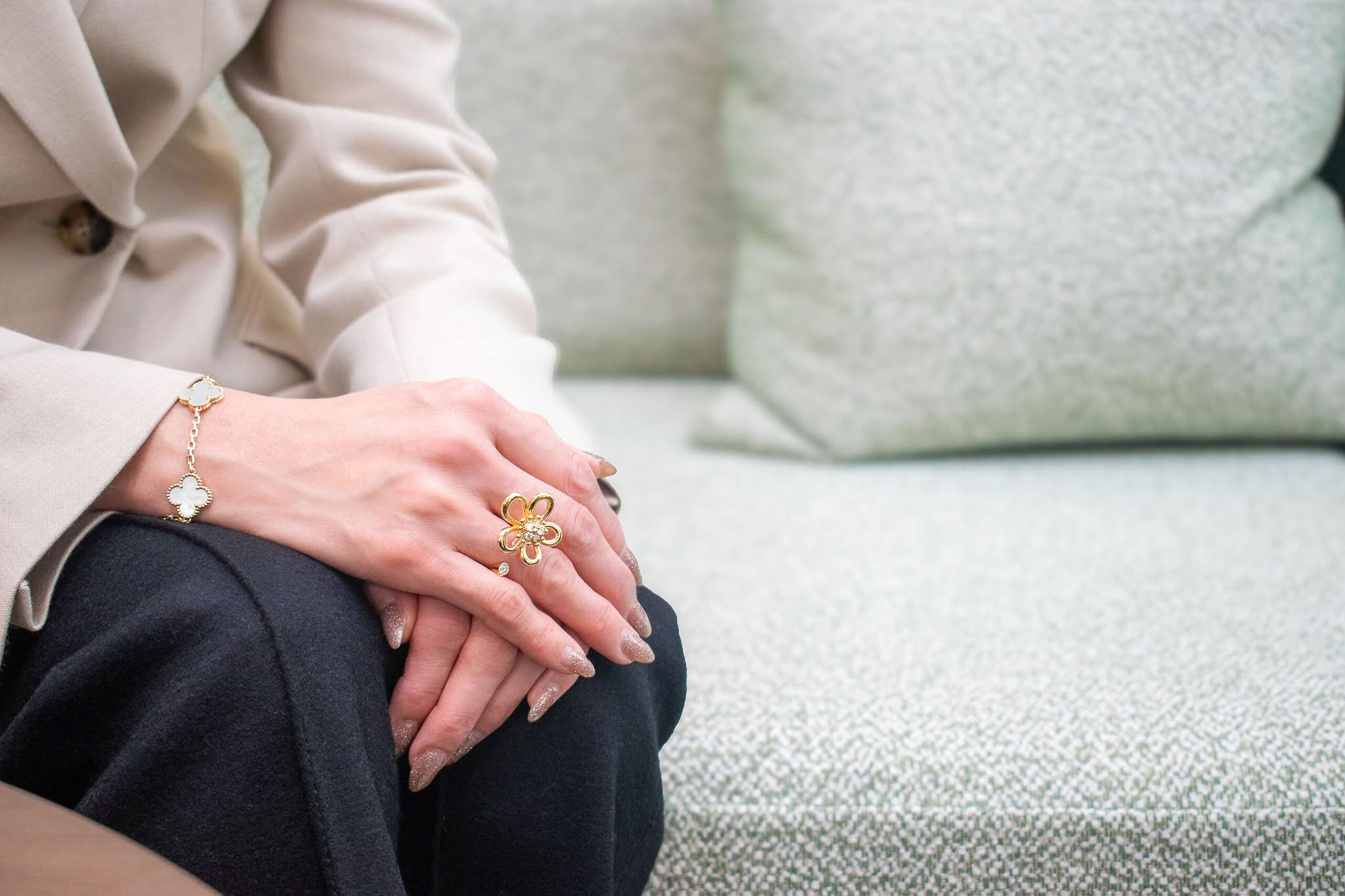
What should a president truly value?
For me, the answer has always been embedded in the Maison’s philosophy itself.
One day, a former supervisor offered an analogy that has stayed with me ever since.
“If the linear maglev train is completed, it will take just forty minutes to travel from Tokyo to Nagoya. But Van Cleef & Arpels does not think in terms of getting there in forty minutes. Instead, we imagine a local train that takes five or even ten hours—along the way offering moments of entertainment created by Michelin three-star chefs or artists. We think about how people can enjoy the journey itself. Providing the finest experience during that time—that is our way of thinking.”
Those words left a deep impression on me.
Today, our world places supreme value on convenience and efficiency—saving time, maximizing cost performance, optimizing speed. We have Uber Eats that delivers whatever we crave without leaving home, and Amazon that brings necessities to our door with a single click. These are remarkable services, perfectly suited to daily life.
But jewelry is different.
What matters is not how quickly it arrives, but how it arrives—the staging of that moment, and the memory it leaves behind. Jewelry is not meant to be consumed; it is meant to be experienced.
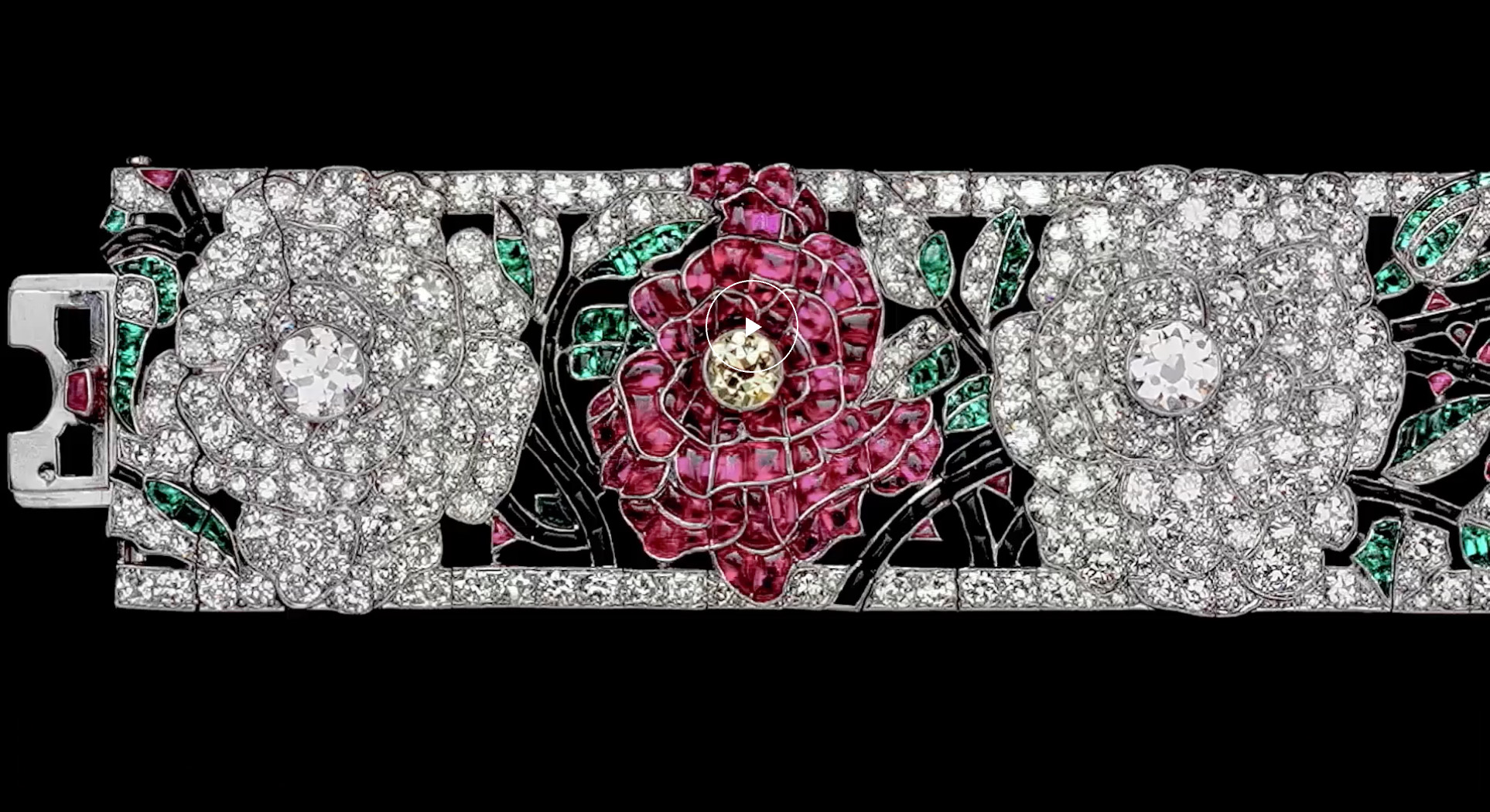
That is also why we choose to hold exhibitions in museums. Just recently, we presented “Timeless Art Deco with Van Cleef & Arpels — High Jewelry as a Reflection of Art Deco” at the Tokyo Metropolitan Teien Art Museum. In a boutique setting, there are inevitable limits of time and space when it comes to conveying the depth of a creation. A museum, however, allows us to present historical archive pieces from the Maison’s origins, all together, within an atmosphere that speaks for itself.
What we seek is not mere awareness—having people recognize the Maison’s name. What truly matters is appreciation: understanding why a piece of jewelry is beautiful, why it carries such value. By discovering the history and craftsmanship behind it, people can come to recognize its worth on a deeper, more emotional level.
Expanding that cultural understanding is, I believe, one of the responsibilities of a Maison that has endured for more than a century.
God Dwells in the Unseen
The Spirit of Craftsmanship that Resonates with Japan
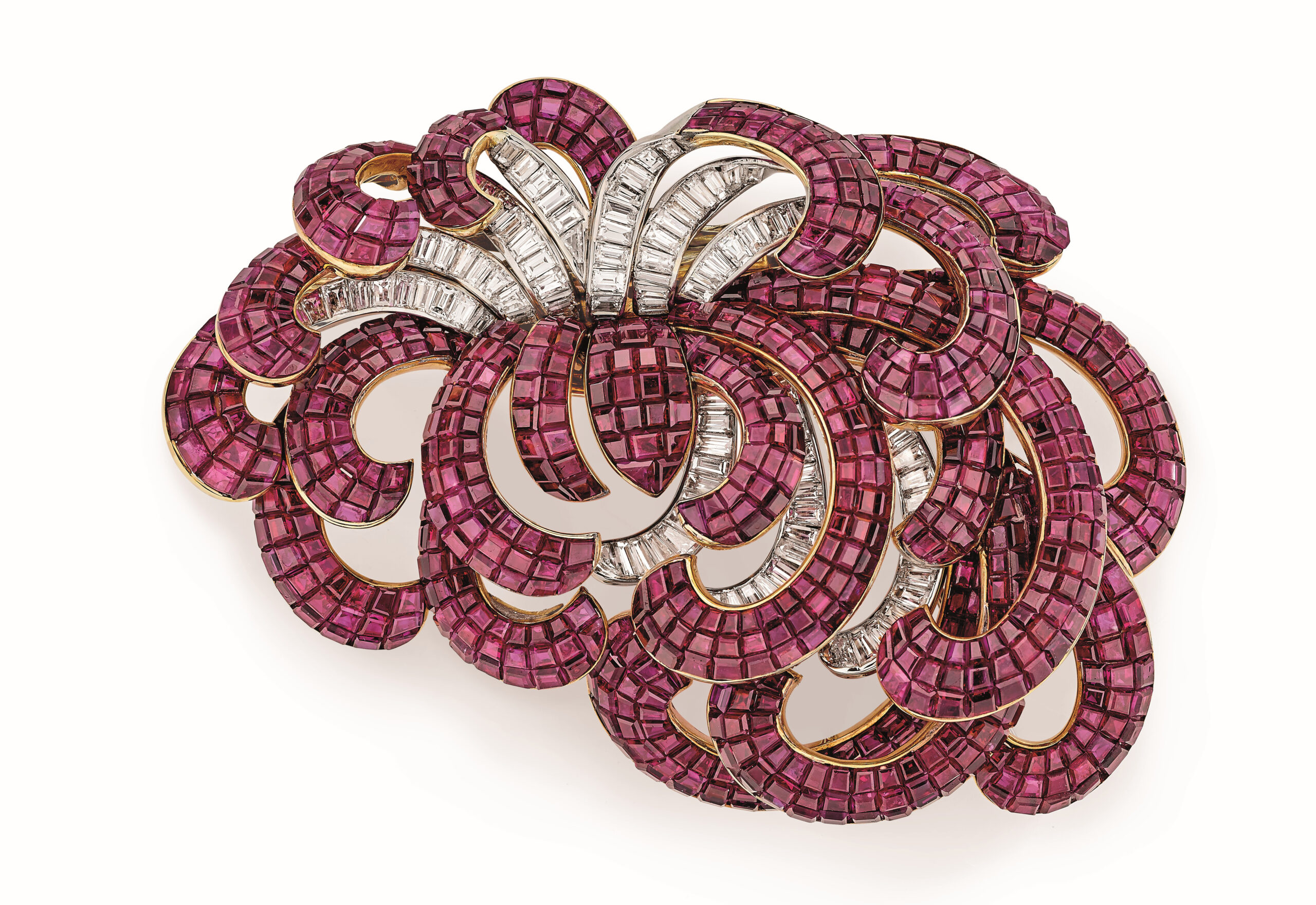
One of the techniques that most profoundly symbolizes our Maison is the Mystery Set™.It is a method of setting gemstones without visible prongs, allowing nothing but the stones’ radiance to fill the surface. When someone once saw this technique, they remarked, “It’s like the work of Japanese temple carpenters.” I remember thinking how true that felt.
Why do we devote so much time and effort to what cannot be seen?
In an age obsessed with efficiency, there are certainly faster and easier ways. And yet, we continue not only to preserve this technique—born in the 1930s—but to evolve it. From flat surfaces to three-dimensional forms, from simplicity to ever greater complexity. What drives this is the craftsmen’s unending curiosity: the belief that it can always be done better. Curiosity, in fact, is one of Van Cleef & Arpels’ six core values.
I believe that true authenticity persuades not through explanation, but through what lies beneath. Even if a client does not fully understand the technique behind a piece, the immense time, care, and devotion invested in it will inevitably be felt—as an overwhelming sense of beauty.
God is in the details. Never relinquishing that devotion is precisely why we remain a true High Jeweler.
It is this shared spirit of craftsmanship that allows us to resonate so deeply with Japan’s traditional arts and craft.
One of our six values is Transmission—the act of passing on what has been received. This value transcends borders. A powerful example was the exhibition held in 2017 at the National Museum of Modern Art, Kyoto:
“Mastery of an Art—Van Cleef & Arpels: High Jewelry and Japanese Crafts.”
There, our High Jewelry creations were shown alongside works of extraordinary Japanese craftsmanship—not as a comparison, but as a dialogue.
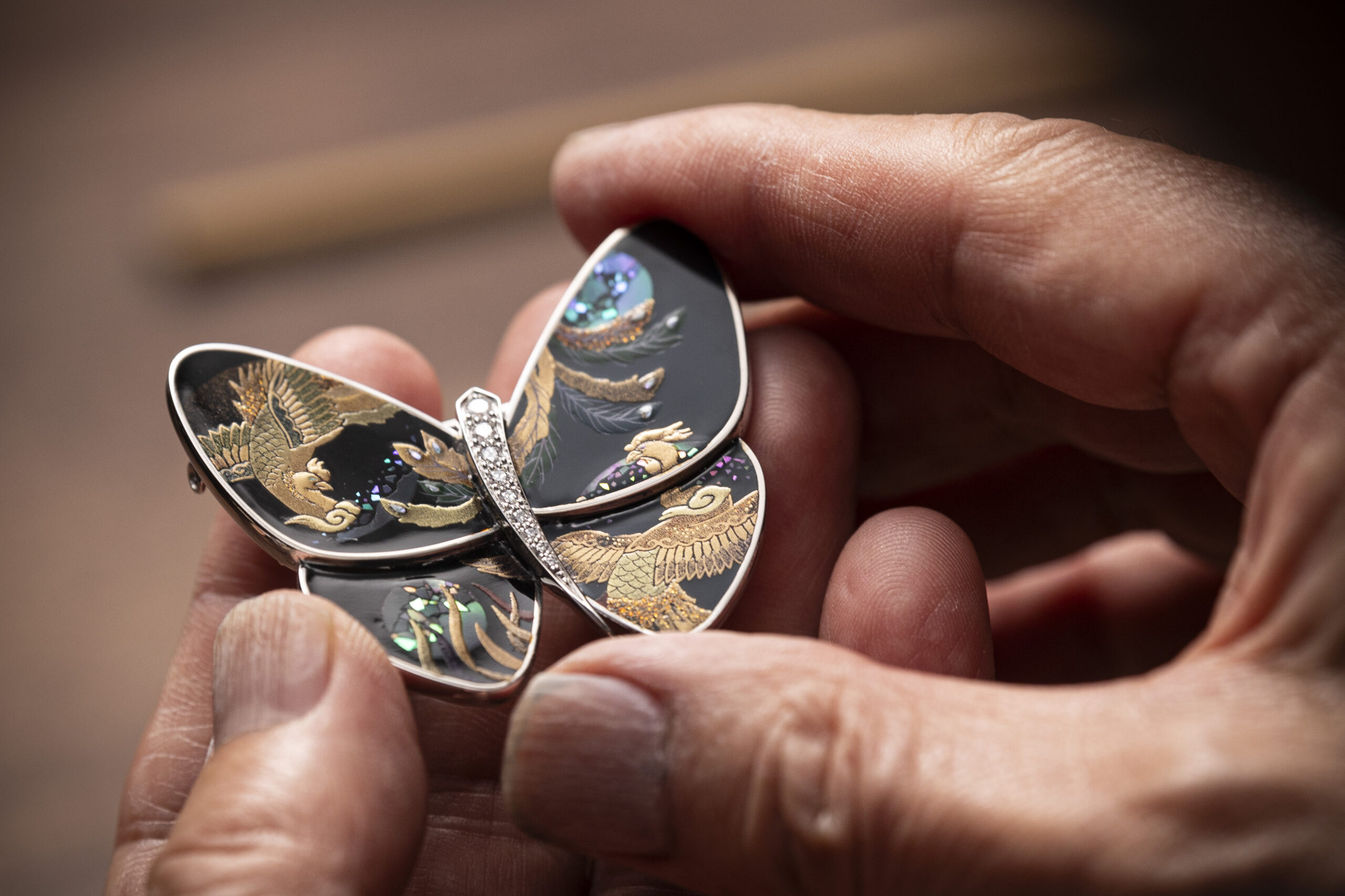
That dialogue continues in many forms. In the Lacquered Butterflies collection, our iconic butterfly clip is adorned with traditional maki-e lacquer work by Junichi Hakose, a lacquer artist from Wajima. We have also collaborated with Kunihiko Moriguchi, a Living National Treasure, on a special creation known as the Precious Box.
In each case, this was never a matter of simple commissioning. French esprit and centuries-old Japanese craftsmanship met as equals—engaging, conversing, and ultimately merging.
When I spend time with Japanese artisans, I sense the same presence I feel in our own Mains d’Or—the “golden hands” of our Maison. Though separated by culture and geography, they share the same values: a commitment to passing techniques on to the next generation, an uncompromising attention to detail, and an unwavering respect for craftsmanship. To shape Japan’s extraordinary traditional arts into jewelry and share them with the world—this, too, is one of my most important responsibilities as the gatekeeper of the Maison in Japan.
Not a Fashion Brand
A Pure High Jeweler
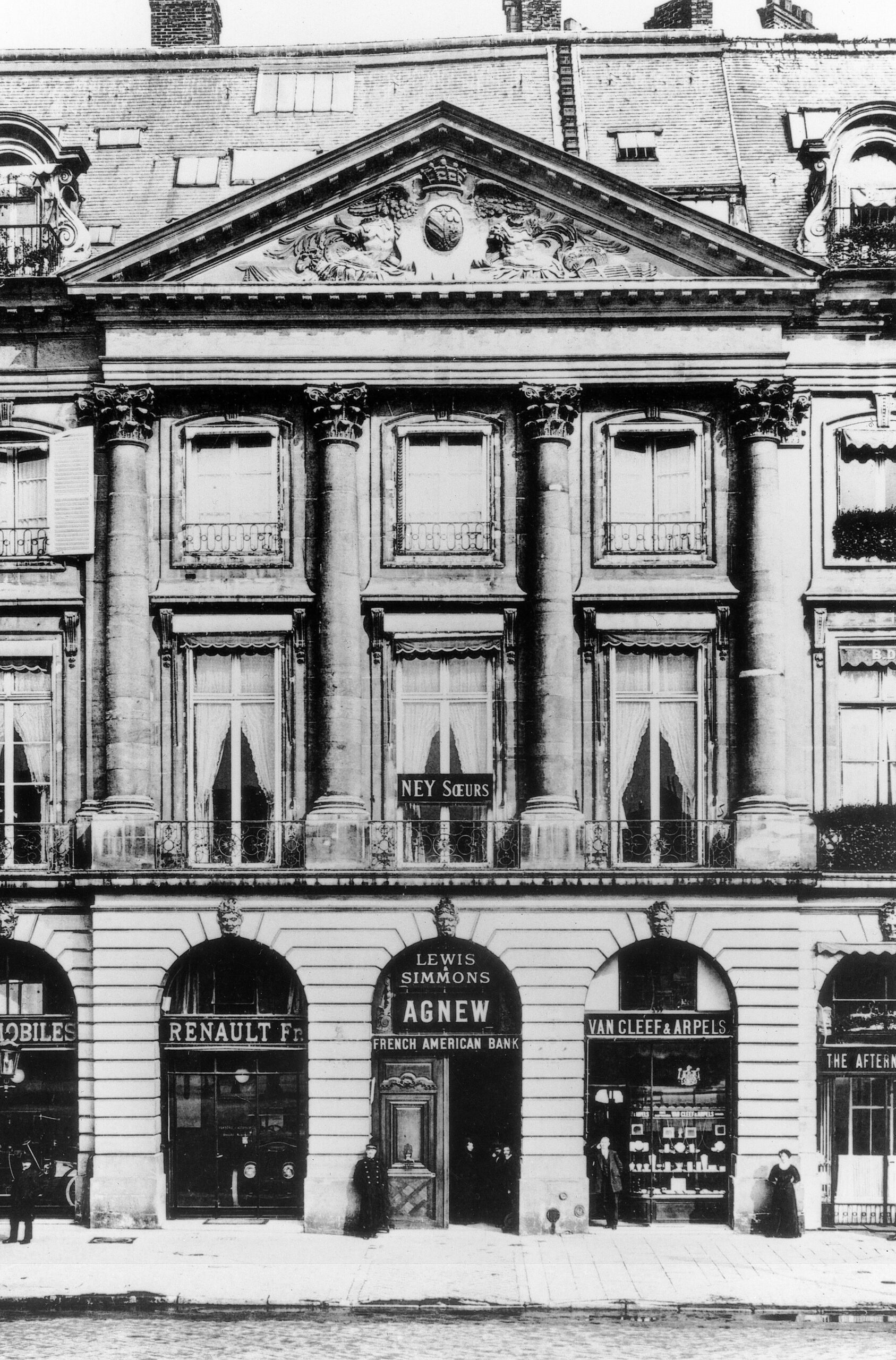
In order to reach a broader audience, many brands choose to expand into so-called “lifestyle products”—bags, accessories, or home décor. In today’s world, that is certainly one valid approach.
We, however, have chosen to place value on not doing so.
What exists within our Maison is gold and platinum, and precious gemstones. Beyond that, there are watches—and fragrance, which we were the first High Jeweler in the world to create. You will find no silver or steel products here.
This is because we do not aspire to be a lifestyle brand. We aspire to remain a pure High Jeweler.
Rather than widening our reach, we have chosen to protect what has existed since our founding—the original DNA of the Maison. Remaining faithful to that origin, without deviation, is our unwavering position, and the source of our pride as a High Jeweler unlike any other.
A Challenge for the Future
Passing on what we have received—In Better Shape than Before
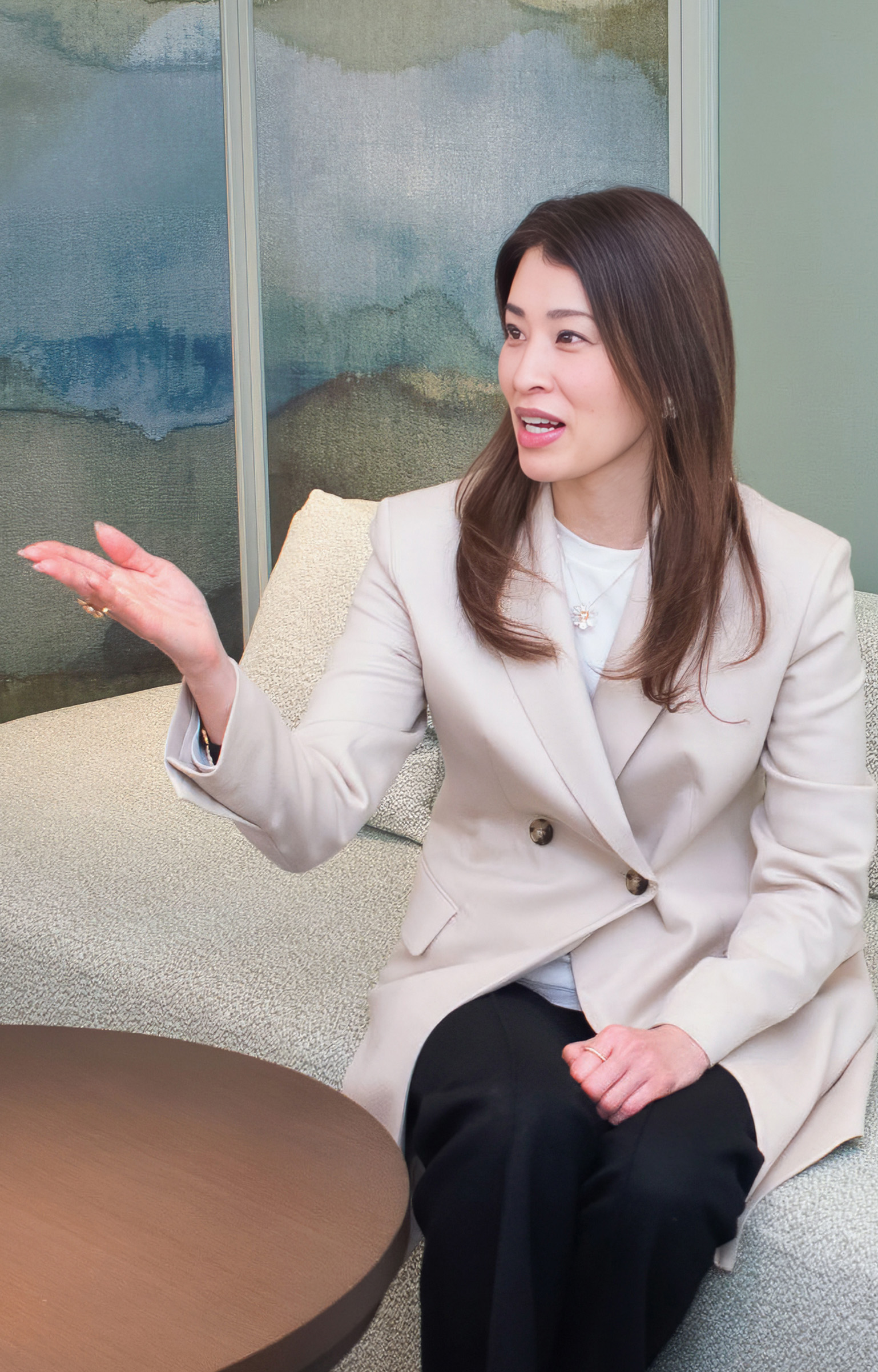
People often tell me, “Akiko, you are authentic.”
Perhaps that is because I do not try to make myself appear larger than I am.
I do not believe a president needs to perform perfection. I choose to face people as I am. I am not overly afraid of failure. Failure happens to everyone, and I do not think it is something to hide. What matters is not becoming emotionally overwhelmed when something goes wrong, but stepping back to ask, What actually happened?—and then shifting the focus to What do we do next?
When you do not try to decorate yourself, failure can be transformed into objective learning.
That same sense of speed and openness runs through the organization as well. We often use the expression, “Throw the ball quickly.” Rather than holding onto a problem alone and worrying about it, we throw the ball to someone we trust. The person who receives it throws it right back. This kind of catch does not work if there is unnecessary pride or hesitation. Instead of overthinking, we throw. That lightness—the willingness to keep the ball moving—is what supports both me and the Maison today.
My mission within the Maison is very clear.
It is to pass it on in better condition than when I received it.
Allowing the Maison to decline—or to leave it worse than before—would be the one thing I must never do. I carry that responsibility with me every day as I face my work.
There is no end to what must be done. But it does not feel like a burden of challenges. It feels closer to an adventure.
Unexpected things happen. New discoveries emerge. There is a sense of anticipation—What will I see next? Of course, there are difficult moments as well. But even those are part of the journey. I find myself genuinely enjoying the process.
That is why my work does not feel like a painful struggle.
It is a joyful adventure—one that continues as I carry what has been entrusted to me forward, into the future.
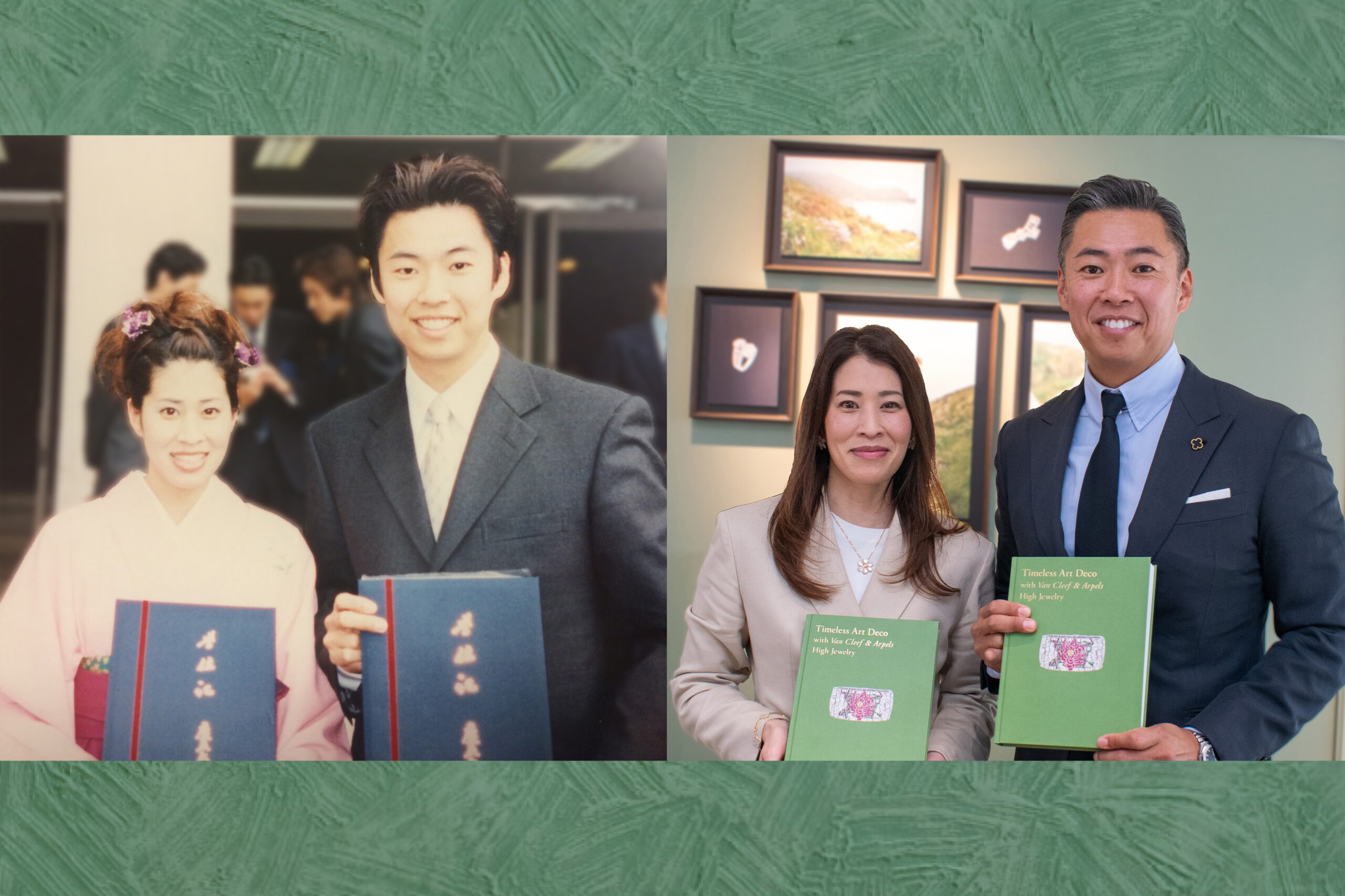
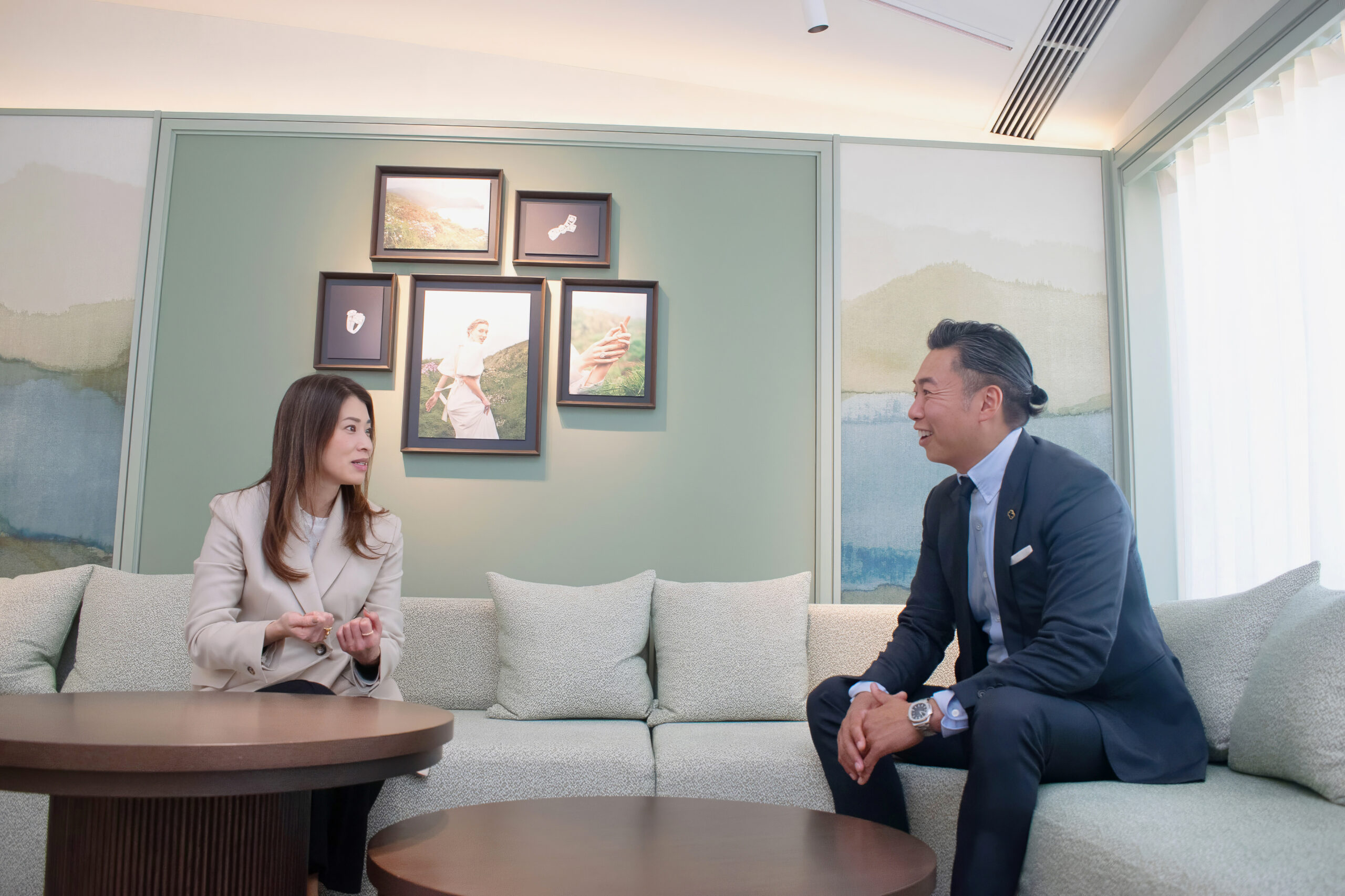
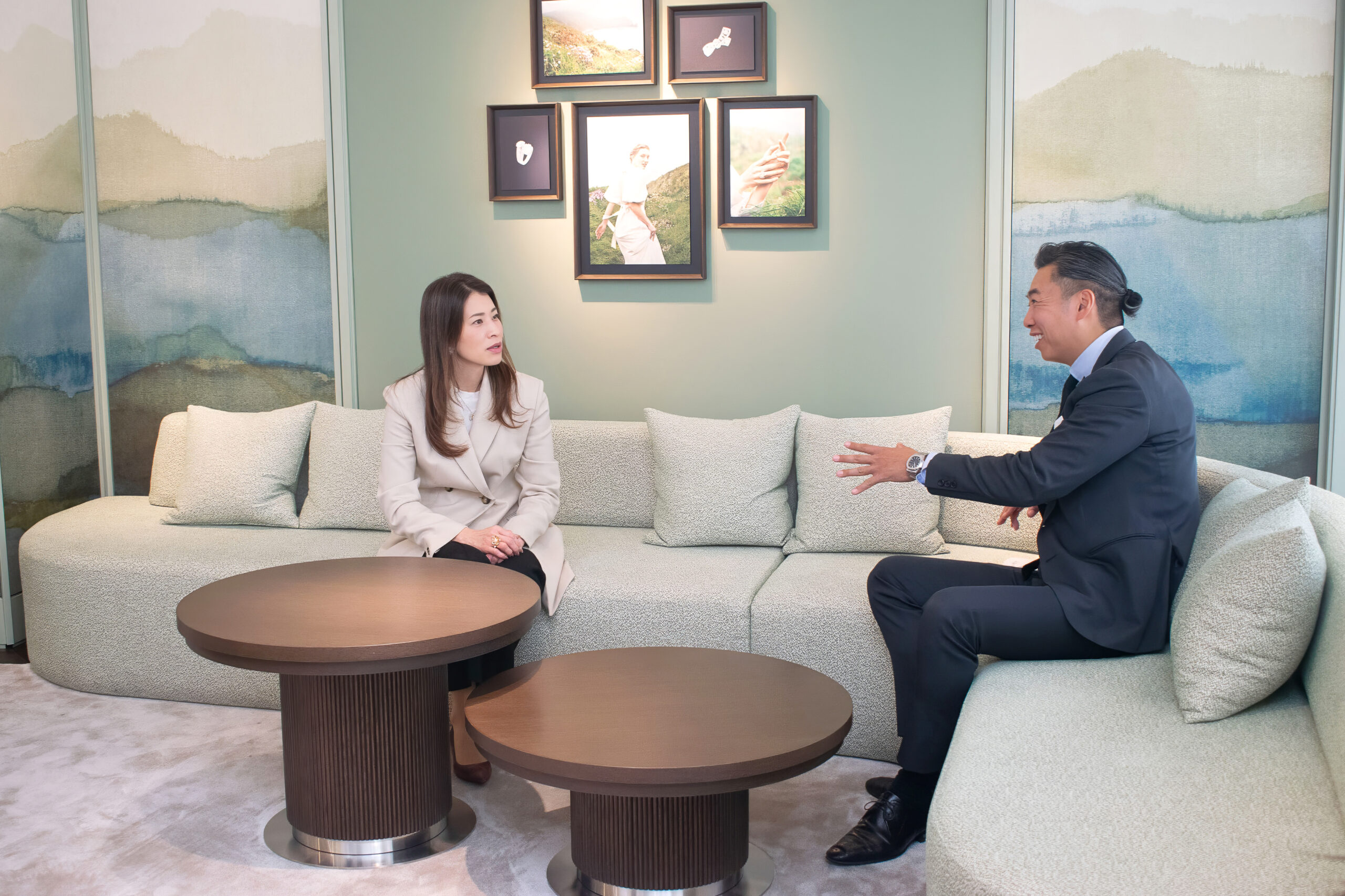
It has been nearly thirty years since I first met Daisuke.
We were not especially close in university, but we spoke a handful of times. Even then, he had already launched his own business—an unstoppable talker with overwhelming energy. To me, he was someone with towering ambition: powerful, driven, and unmistakably different.
We took a photograph together at our graduation ceremony, surrounded by fellow students, yet never exchanged contact information. We simply went our separate ways.
A year after I returned to Japan from studying abroad, I heard a voice at the Shibuya crossing: “Do you remember me?” It was Daisuke. That chance encounter marked the beginning of a connection that would quietly continue for the next twenty-five years. Our offices happened to be near each other. We shared meals, attended events, and stayed in touch. It is impossible not to feel that this was fate.
I had long known that Daisuke had been conducting interviews for My Philosophy, speaking with leaders across diverse fields. Never did I imagine that one day I would be the one being interviewed.
Since his student days, he has forged his own path as an entrepreneur. In contrast, I did not have a clear vision of what I wanted to do, nor a defined picture of my future. And yet, through meaningful encounters and a sincere commitment to my work, I find myself where I am today.
If this conversation can offer even the smallest encouragement to someone navigating uncertainty or doubt, then it will have been worthwhile. That thought guided me as I sat down for this interview.
The conversation felt like a natural extension of the many we have shared over the years—perhaps a touch more serious, but still entirely authentic. It was only possible because of the trust and friendship we have built over three decades.
For the record, Daisuke usually occupies about eighty percent of any conversation with his machine-gun pace of speech. This time, however, our roles were completely reversed. (laughs.)
With thirty years of connection and friendship behind us, another memory has quietly been added to our story.
President of Van Cleef & Arpels Japan
Akiko Yamamoto
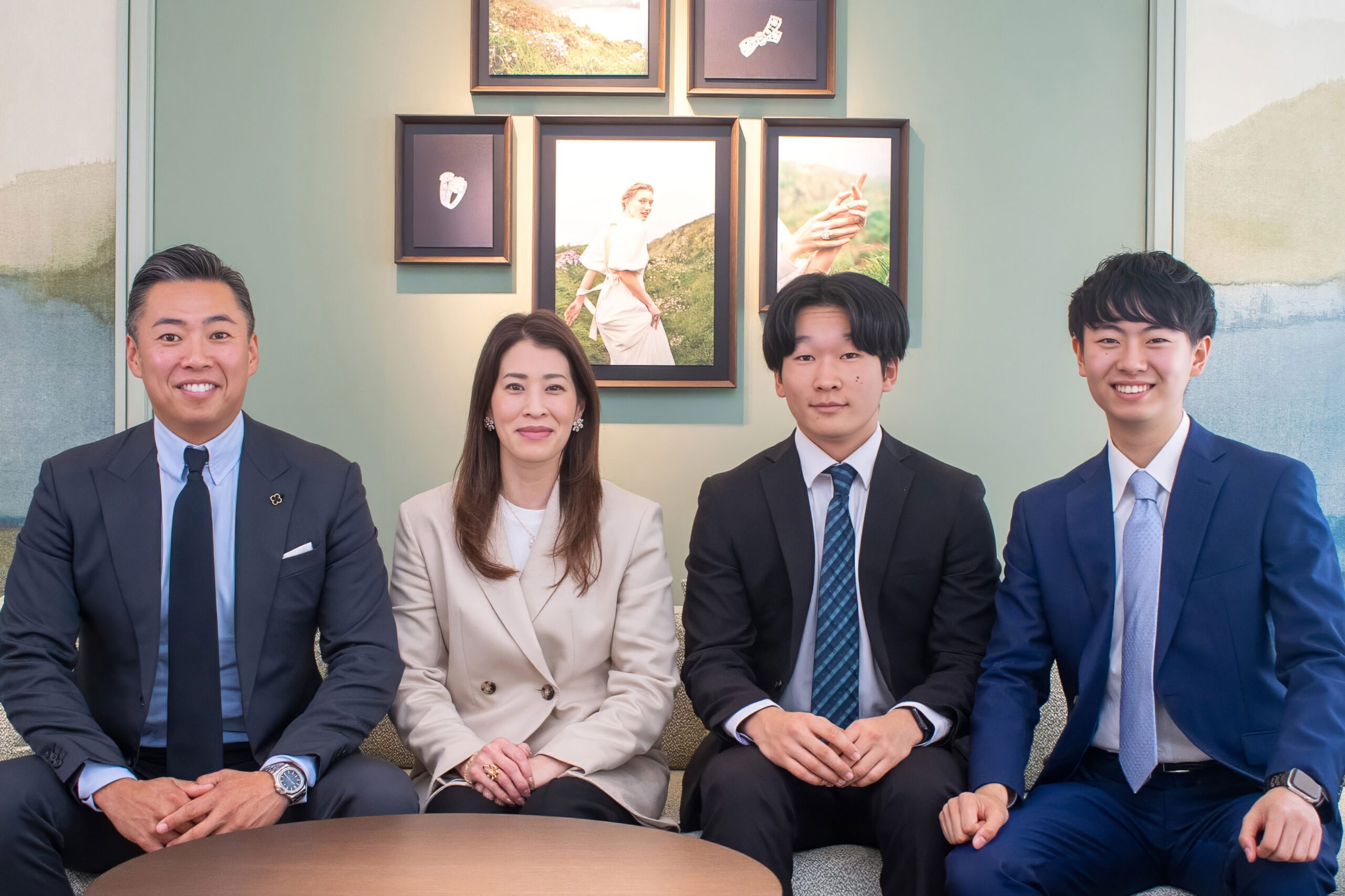
Akiko Yamamoto, a friend since our university days, has witnessed the rollercoaster of my life from the time I started my business at 19 up to the present. It has been 27 years since I started my entrepreneurial journey and “My Philosophy” has now entered its 20th year. Looking back, it all feels as if it passed in a single moment.
Meeting Akiko again in her role as President and engaging in deeper conversation, I could clearly sense her presence and determination as a leader. It felt only natural to think, “Now is the time to interview her.”
What impressed me most during our discussion was that the position of President had been openly announced and filled through candidacy.
Opportunity was given to those who raised their hand, and if they delivered performance worthy of the responsibility, new possibilities unfolded. I am certain her superiors saw in her someone to whom they could say, “You’ve got this.” Trust, I felt, is directed not only toward ability, but toward character.
This time, my eldest son, who is currently studying at the university I graduated from, joined the interview, along with a friend who promotes Japanese lacquer culture to the world, making it feel almost like an alumni visit. Standing there, witnessing the connection of generations, I casually told my son, “One day, your engagement ring and wedding band should be from Van Cleef & Arpels” (laughs). Perhaps that, too, is a way of passing on values. I had met Akiko around the time my eldest son was born. Now he has reached the age we were when we first met as university students, and to see him seated at the same table made me realize how surely time moves forward.
Van Cleef & Arpels is a brand I truly admire, and one I believe brings immense joy to women. This time, I borrowed my wife’s earrings and styled them as lapel pins on my suit. A new direction for men’s jewelry? I couldn’t help but sense that possibility. (laughs)
I believe that encounters, too, are a form of appreciation. To know one another’s backgrounds and journeys, and to understand each other’s values. When that understanding deepens, a simple relationship transforms into a connection that remains in memory. Authenticity is something that is inherited, refined, and passed on. The value of a Maison lies not in its buildings or products, but in the resolve of its people. I felt that resolve clearly in this interview.
It is my sincere hope that its aesthetic vision and spirit will continue to be carried forward to the next generation, remaining cherished across time.
January 2026
Interview conducted at the Van Cleef & Arpels Omotesando Garden Boutique
Interview & Editing: DK Sugiyama
Project Manager: Chiho Ando
Text: Eri Shibata
Photography: Hirona Goto
Production: My Philosophy® Editorial Team
Milestone (2007~)
View all Interviews
-
Vol. 123 Akiko Yamamoto
Japan President, Van Cleef & Arpels, Richemont Japan
-
Vol.122 Akimi Fukuhara
Pianist
-
Vol.121 Sammy Miyamoto
Hairstylist & Entrepreneur / President, “momotaro salon”
-
Vol.120 Ryotaro Muramatsu
Artist / Founder of NAKED, INC. / Visiting Professor at Osaka University of Arts / Branding Director of Achi Village, Nagano
-
Vol.119 lecca
Singer-Songwriter
-

Vol.118 John Tanzella
President / CEO of the International LGBTQ+ Travel Association (IGLTA)
-
Vol.117 Marin Alsop
Conductor
-
Vol.116 Hajime Kinoko
Modern Artist, Kinbakushi (Rope Master), Rope Artist, Photographer
-
Vol.115 Shintaro Koizumi
Out Japan Co., Ltd Chairman
SK Travel Consulting Co., Ltd (Out Asia Travel) President
International LGBTQ+ Travel Association (IGLTA) Ambassador to Asia -
Vol.114 George Fujisawa
George Fujisawa, President of Fluid Power, Ltd.
-
Vol.113 Kazumi Arikawa
President, Albion Art Co., Ltd.
Founder, Albion Art Jewelry Institute
Chevalier of the Ordre des Arts et des Lettres (French Republic)
International Council Member, Metropolitan Museum of Art (New York) -
Vol.112 Leslie Kee
Photographer
-
Vol.111 Mitsuyuki Takada
President and CEO of Albalkan Corporation
-
Vol.110 Koji Sato
Head Chef of Yamagata Kappo Akasaka Ajisai
-

Vol.109 Krishna Ramachandra
Founder and Non-Executive Chairman of Digital Insights Ventures
-
Vol.108 Marc Einstein
Chief Analyst of ITR Corporation
-
Vol.107 Kentaro Sakai
President and CEO of Sakai Fish Farm Co., Ltd.
-
Vol.106 Ryuki Narita
President of Narita Koi Farm Co., Ltd.
-
No.105 Yoshihiro Tsumura
President and Group CEO, Aderans Co., Ltd.
-
Vol.104 Takatoshi Maruo
"Bali's Aniki (*Big Brother)"
-
Vol.103 Takashi Shimokawa
Principal of the preparatory school "Bulkan Juku" | President and CEO of Tass Group
-
Vol.102 Sayuri Yamaguchi
Ginza "CLUB GRÈS" Owner Mama
-
Vol.101 Koji Yamamoto
President and CEO of Global Partners Inc.
-
Vol.100 Tetsuo Gyotoku
Director of the Japan BE Research Institute
-
Vol.99 Kiyoshi Murano
Philosopher and Astronomer | Futurist
-
Vol.98 Hiroshi Yaegashi
Catalyst | Business Creator
-
Vol.97 Hiroyuki Sasaki
Chairman, Group Representative & CEO Pro Labo Holdings Co., Ltd.
-
Vol.96 Satoshi Yamaguchi
Chairperson of the Chitose Koyukai Social Welfare Corporation
-
Vol.95 Hideko Suzuki
Doctor of Literature | Critic
-
Vol.94 Kiyoshi Kurokawa
Doctor of Medicine | Honorary Professor at the National Graduate Institute for Policy Studies | Representative Director of the Health and Global Policy Institute
-
Vol.93 Hiroshi Senju
Japanese Painter | Professor at the Graduate School of Kyoto University of the Arts and Design
-
Vol.92 Takashi Yamane
Management Scholar | Certified Public Accountant | Professor at Waseda University Graduate School of Business and Finance (WBS) | Emeritus Professor at Keio University
-
Vol.91 Kazuo Noda
Honorary Chairman of the Japan Research Institute, a general incorporated foundation | Honorary Chairman of the Social Development Research Center, a general incorporated foundation | Honorary President of Tama University | Honorary President of The Graduate School of Project Design
-
Vol.90 Goichi Okada
Sales Office Manager, Prudential Life Insurance Co. | Senior Consulting Life Planner
-
Vol.89 Tatsumitsu Yamazaki
Honorary Chairman of the Japan Sailing Federation | Former Chairman of S&B Foods Inc.
-
Vol.88 Rick Blangiardi
Hawai‘i News Now Manager
-
Vol.87 Timothy Cottrell
Head of School, ‘Iolani School
-
Vol.86 John Gotanda
President of Hawai‘i Pacific University
-
Vol.85 George Ariyoshi
Former Governor of Hawaii
-
Vol.84 Taro Yoshida
President and CEO, Hawaii Hochi Ltd.
-
Vol.83 Naoki Kusano
President, HANAKEN | TOKYO TONKOTSU RA-MEN BANKARA Founder
-
Vol.82 Akira Kawashima
Doctor | Doctor of Medicine | Professor, Department of Acupuncture and Moxibustion, Faculty of Health Sciences, Tokyo Ariake University of Medical and Health Sciences
-
Vol.81 Reika Asai
President of Kirei Company, Inc.
-
Vol.80 Seiji Hayashi
President and CEO of Car Conveni Club Co., Ltd.
-
Vol.79 Shinichi Inoue
CEO of Peach Aviation Co., Ltd.
-
Vol.78 Katsuyoshi Fukuyama
President and CEO of Gardner Co., Inc.
-
Vol.77 Nahoko Ishikawa
Representative Director, Sixth Sense Labs, Inc.
-
Vol.76 Shin Yamagishi
Photographer
-
Vol.75 Mikio Kawai
Professional Surfer
-
Vol.74 Isao Aoki
Professional Golfer | Chairman, Japan Golf Tour Organization
-
Vol.73 Norihiko Sasaki
Executive Director, Editor-in-Chief of NewsPicks | Editor | Journalist
-
Vol.72 Yazaki Yasuhisa
Freelance Journalist | Editor
-
Vol. 71 Michael Anthony
Executive Chef, Gramercy Tavern
-
Vol.70 Kenji Takenaka
Flower Designer
-
Vol.69 Daniel T. Ebihara
Head of the New York Kendo Dojo, Entrepreneur, and Product Designer
-
Vol.68 Kyoko Gasha
Journalist | Film Director
-
Vol.67 Casey Taniguchi
President of Yomitime
-

Vol.66 Misao Ito
Writer | Art Producer
-
Vol.65 Narimasa Nakaoka
President and Representative Director, Suzukake Co., Ltd.
-
Vol.64 Takashi Sano
Chocolate Shop Owner-Chef
-
Vol.63 Toshiaki Kurosaka
Chairman of Porsche Japan K.K.
-
Vol.62 Taro Saito
Communication Designer. President and CEO of dof Inc., Co-CEO of CC Inc., Outside Director of VOYAGE GROUP Inc., Outside Director of Oceanize Inc., and Global Strategy Committee Member of the NPO TABLE FOR TWO.
-
Vol.61 Hideyuki Murakami
President and CEO of Iwataya Mitsukoshi Ltd. | Executive Vice President of Isetan Mitsukoshi Holdings Ltd.
-
Vol.60 Yoshiyuki Okuno
Owner-Chef of Ristorante La Brinca
-
vol.59 Rika Yukimasa
Culinary Researcher | CEO, REKIDS Co., Ltd.
-
Vol.58 Kazuko Tōdō
Manager and Proprietor of "Royal Box" and "Lindbergh" | Editor-in-Chief of 'LB Nakasu Newsletter
-
Vol.57 Takaharu Futaeda
CEO, Anny Group KFT
-

Vol.56 Kengo Kuma
Architect
-
Vol.55 August Hergesheimer
President and CEO of Abios Corporation | Ph.D. in Nutritional Science
-
Vol.54 Tomio Taki
Honorary Advisor, Takihyo Co., Ltd.
School Board Chairman, Taki Academy, Inc.
Board Member, Mikimoto (America) Inc. -
Vol.53 Tadashi Okura
President and CEO of Torikizoku Co., Ltd.
-
Vol.52 Hiroshi Sugimoto
Japanese Painter | Specially Appointed Professor at Yokohama University of Art and Design
-

Vol.51 Aureana Tseu
Hula Artist
-
Vol.50 Don Konishi
Fashion Designer | Visiting Professor, Nagoya University of Arts and Sciences
-
Vol.49 Sachio Senmoto
Chairman of the Board, Renova, Inc.
-
Vol.48 Naoyoshi Amari
Head Priest of Ichigyosan Senshuji Temple | Principal of Senshu Kindergarten
-
Vol.47 Takashi Maeno
Dean and Professor of the Graduate School of System Design and Management at Keio University.
-
Vol.46 Tomizo Yamaguchi
Third-Generation Head of Kyoto Confectionery "Suetomi"
-
Vol.45 Toshiharu Kokubun
Representative Director of Earth Holdings Co., Ltd.
-
Vol.44 Keita Obara
Professional boxer
-
Vol.43 Yuko Kibayashi Shin Kibayashi
Non-fiction writer and manga creator
-
Vol.42 “My Philosophy” Junki Yoshida
Chairman and CEO, Yoshida Group & Founder, Yoshida Sauce
-
Vol.41 Seisei Hanayama
Artist
-

Vol.40 Yoshiharu Sekino
Explorer | Anthropologist | Professor at Musashino Art University
-
Vol.39 Masaki Yokokawa
Representative of WELCOME Group
-
Vol.38 Tamami Sunoda
President and CEO of NOZZE (Marriage Information Center)| President, CEO, and Owner-Designer of Fashion Brand "JuviJuvi"
-
Vol.37 Shuichi Tsuji
Sports Doctor | CEO of Eminecross Co., Ltd.
-
Vol.36 Yuichiro Miura
Professional Skier | Principal of Clark Memorial International High School
-
Vol.35 Nobufumi Matsunaga
Educational Environment Setting Consultant | Founder of V-net Educational Consultation Office
-
Vol.34 Tetsu Mizutani
Suntory Beer Limited - President, Chief Executive Officer
-

Vol.33 Yukino Kikuma
Lawyer
-

Vol.32 Keiko Kouda
CEO of AsMama Co., Ltd.
-

Vol.31 Takami Hasebe
White Ship Inc. CEO | Art Producer
-

Vol.30 Aya Kinoshita
Representative Director of UHM Co., Ltd. | General Manager of Hotel Niwa Tokyo
-

Vol.29 Clara Komazaki
KoLabo Co., Ltd. Representative Director and President
-

Vol.28 Nobuko Tsutsumi
Lecturer at Showa Women's University, Aoyama Gakuin Women's Junior College, and Hosei University | Freelance Announcer | Essayist
-

Vol.27 Yu Kaida
Portrait photographer
-

Vol.26 Manabu Miyasaka
President and CEO, Yahoo Japan Corporation
-

Vol.25 Shuichiro Kimura
Representative Director of Boulangerie Eric Kayser Japon Inc.
-

Vol.24 Yohei Sadoshima
President and CEO of Cork, Inc.
-

Vol.23 Toshiaki Kanda
Representative of Kanda News Network | IT Journalist, Social Media Consultant
-

Vol.22 Emmy Suzuki Harris
Japanese Representative of Change.org
-

Vol.21 Masakazu Yanagisawa
Director of Global Prime Finance Sales at Deutsche Securities Inc. | Board Member of NPO good aging yells
-

Vol.20 Fumio Tateishi
Chairman of the Board of Directors, OMRON Corporation
-

Vol.19 Nobuyuki Idei
Founder & CEO, Representative Director of Quantum Leap Corporation
-

Vol.18 Rowland Kirishima
Photographer | Multi-Creator
-

Vol.17 Junko Masachika
Founder of Personal Styling | President and CEO of Fashion Rescue Ltd. | Dean of Personal Stylist Japan | Chairman of the Professional Personal Stylist Association
-

Vol.16 Kumiko Otsuka
President and Representative Director of Otsuka Kagu, Ltd.
-
Vol.15 Tsugihiko Fujiwara
President and CEO of AOI Pro. Inc.
-
Vol.14 Hideaki Inoue
President and CEO, Park Corporation
-
Vol.13 Edward Suzuki
Architect | Representative of Edward Suzuki Associates Inc.
-
Vol.12 Hiroshi Kato
Economist
-
Vol.11 Seiichi Shimada
Special Advisor at Nihon Unisys Ltd. | Former Chairman of the Japan Housing Finance Agency | Former Vice President of Mitsui & Co., Ltd. | Former President of Nihon Unisys Ltd.
-
Vol.10 Kanae Doi
Japan Representative, International NGO "Human Rights Watch" | Lawyer
-
Vol.9 Hitomi Kumasaka
Social Media Consultant | President and CEO of Social Media Research Institute Co., Ltd.
-
Vol.8 Yuriko Takahashi
CEO of E.OCT Inc.
-
Vol.7 Kazuhiro Hasegawa
Representative of the Corporate Power Institute | Senior Researcher at the Inter Professional Education Research Center, Chiba University of Commerce (CUC)
-
Vol.6 Kage
President and Representative Director of Caricature Japan, Ltd., and Representative Artist | Asian Ambassador for the National Caricaturist Network (NCN)
-
Vol.5 Fumi Sasada
President and CEO of BRAVIS International, Inc. | Chairman of the Japan Package Design Association
-
Vol.4 Kota Matsuda
Chairman of Tully's Coffee International | President of Quiznos Asia Pacific
-
Vol.3 Shigeru Uchida
Interior Designer
-
Vol.2 Naoyuki Agawa
Dean of the Faculty of Policy Management at Keio University.
-
Vol.1 Hitoshi Suga
Venture Capitalist